

Artists
Administrative and Operational Department

The Administrative and Operational Department of the "Khan Khentii" Ensemble for Folk Songs and Dances is responsible for the backstage operations of the organization’s artistic productions.
Structure and Composition
The department consists of a Director, Artistic Director, Director, Accountant, Human Resources Officer, Secretary, Costume Manager, Operations Treasurer, Cashier, Marketing Manager, Lighting Engineer, Sound Technician, Stage Manager, Carpenter, Driver, Security Guard, Cleaner, and Livestock Caretaker.
This unit plays a crucial role in the execution of performances, musical dramas, and commissioned cultural events for provinces and local communities. It also ensures the smooth organization of performances by external artists, theater productions, comedy shows, film screenings, conferences, and various events. The department works with efficiency and accountability to bring artistic productions to life on stage, creating a comfortable environment for audiences and collaborating closely with fellow professionals.
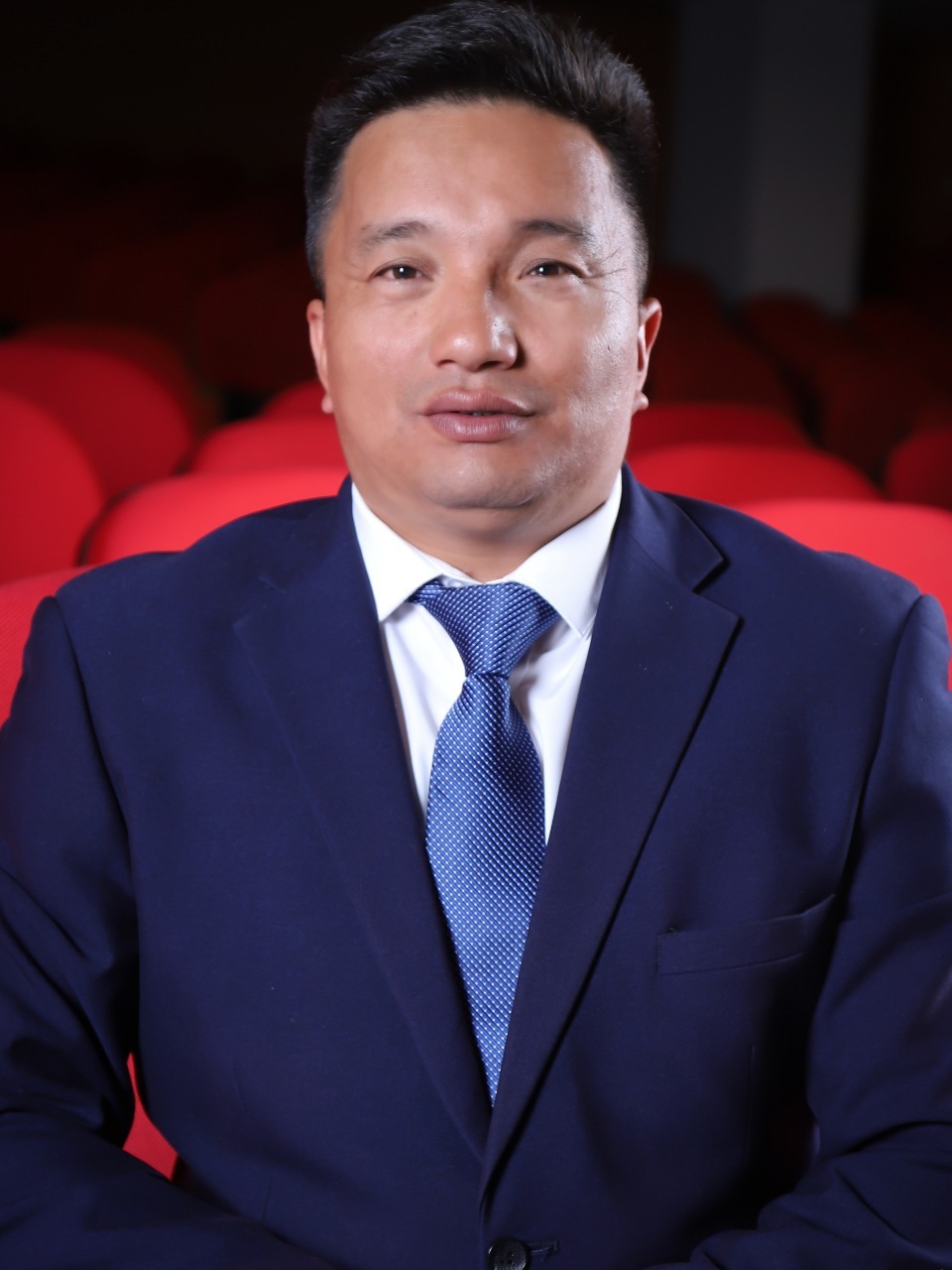
D. Tsogt-Erdene
Head of the Ensemble, Merited Artist of Mongolia (MSTA)
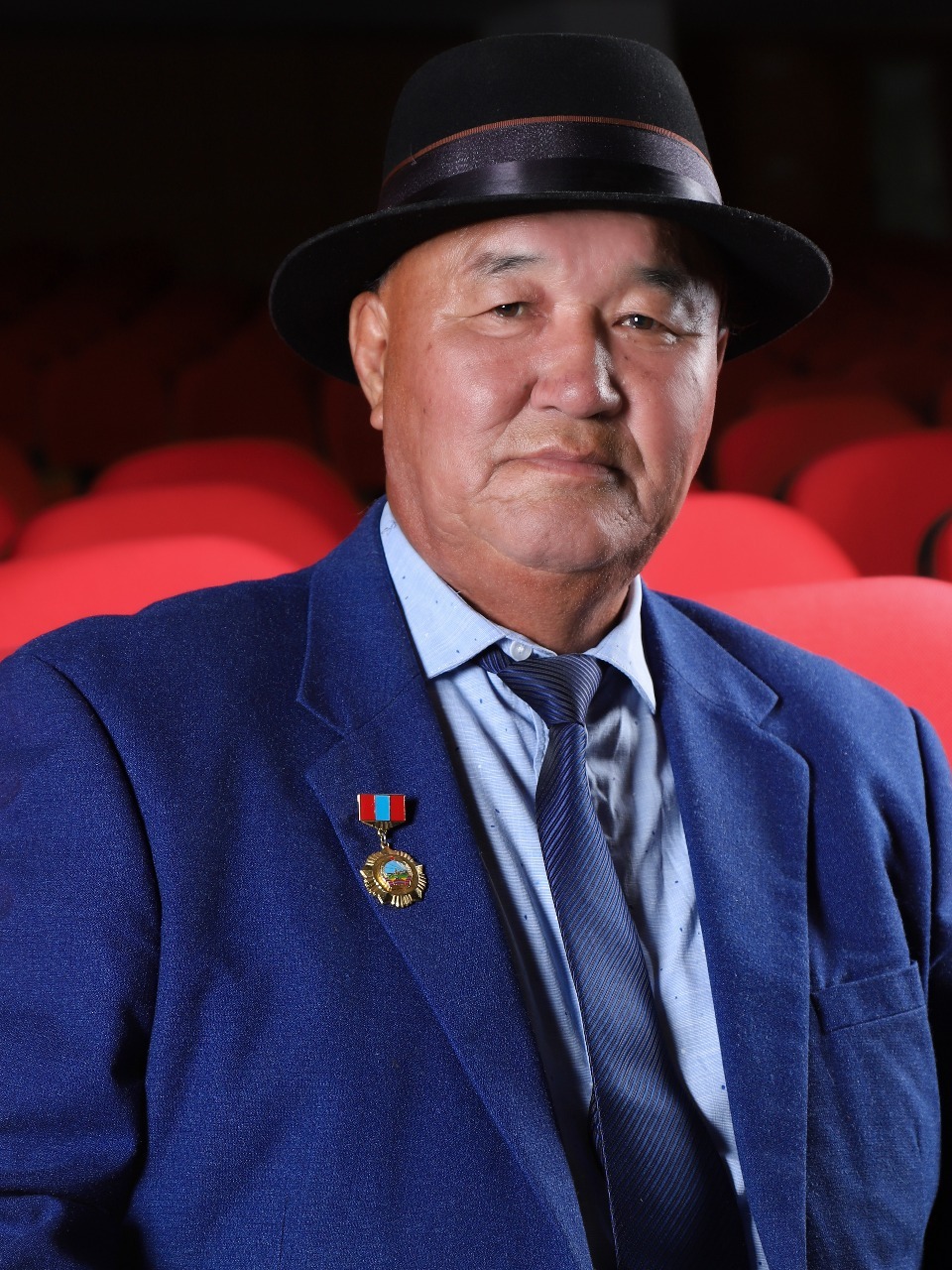
Ts. Oyunbaatar
Artistic Director, Chief Director, People's Honored Artist of Mongolia (MUUGZ)

D. Bat-Erdene
Head of Administrative and Planning Department
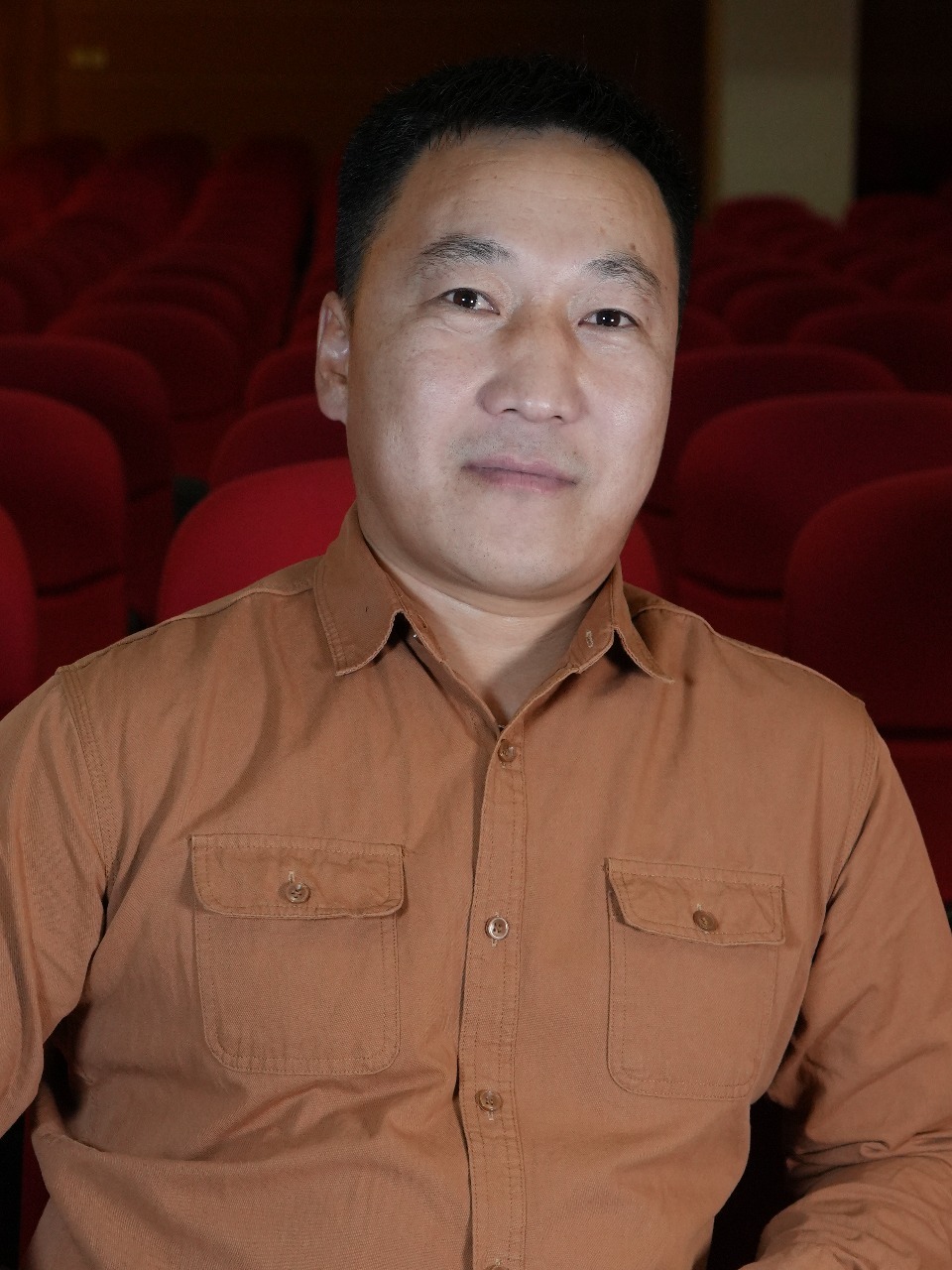
M. Nyamdorj
Chief Accountant
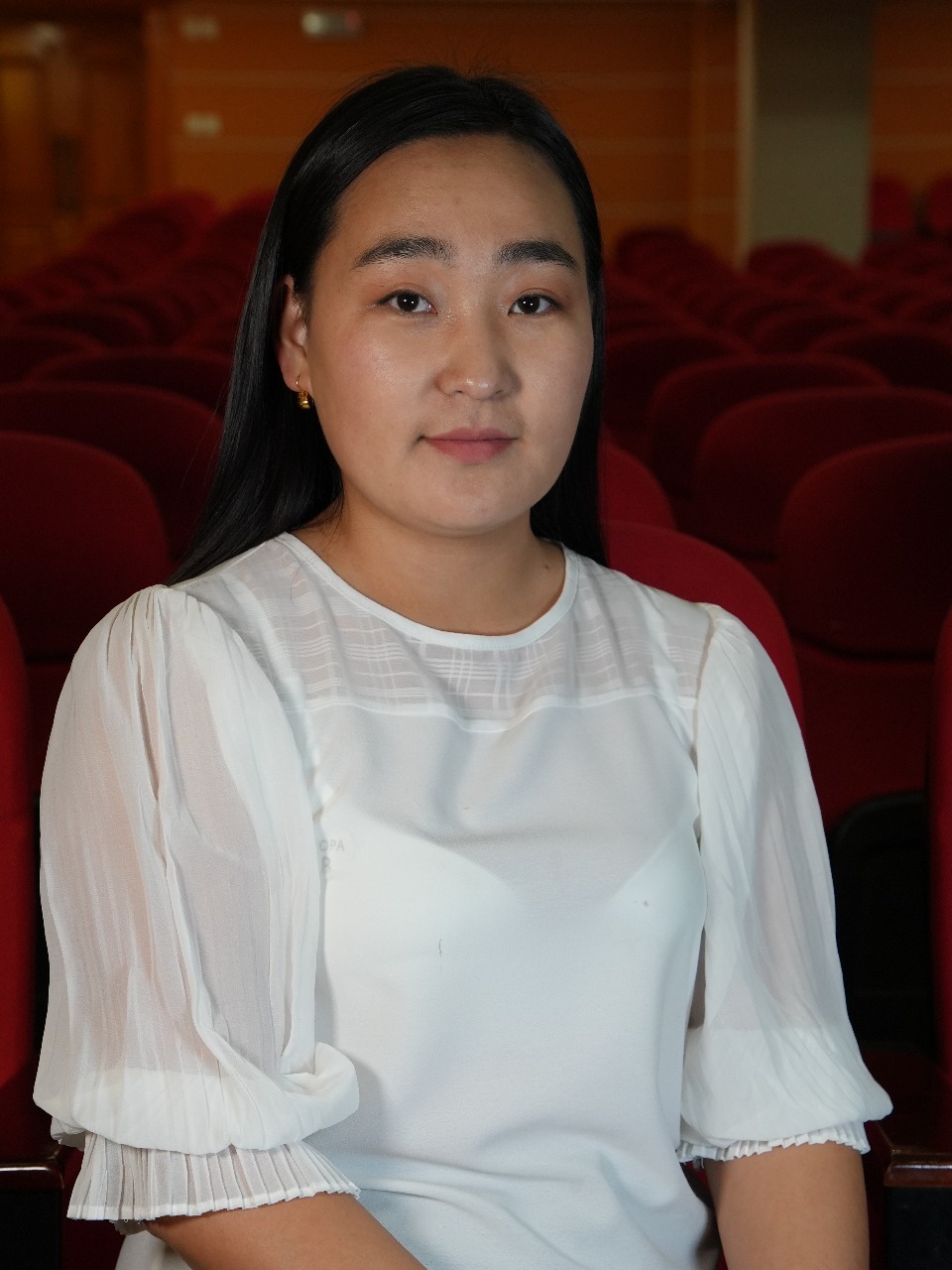
E. Lkhagvadulam
Human Resources, Internal Affairs Officer
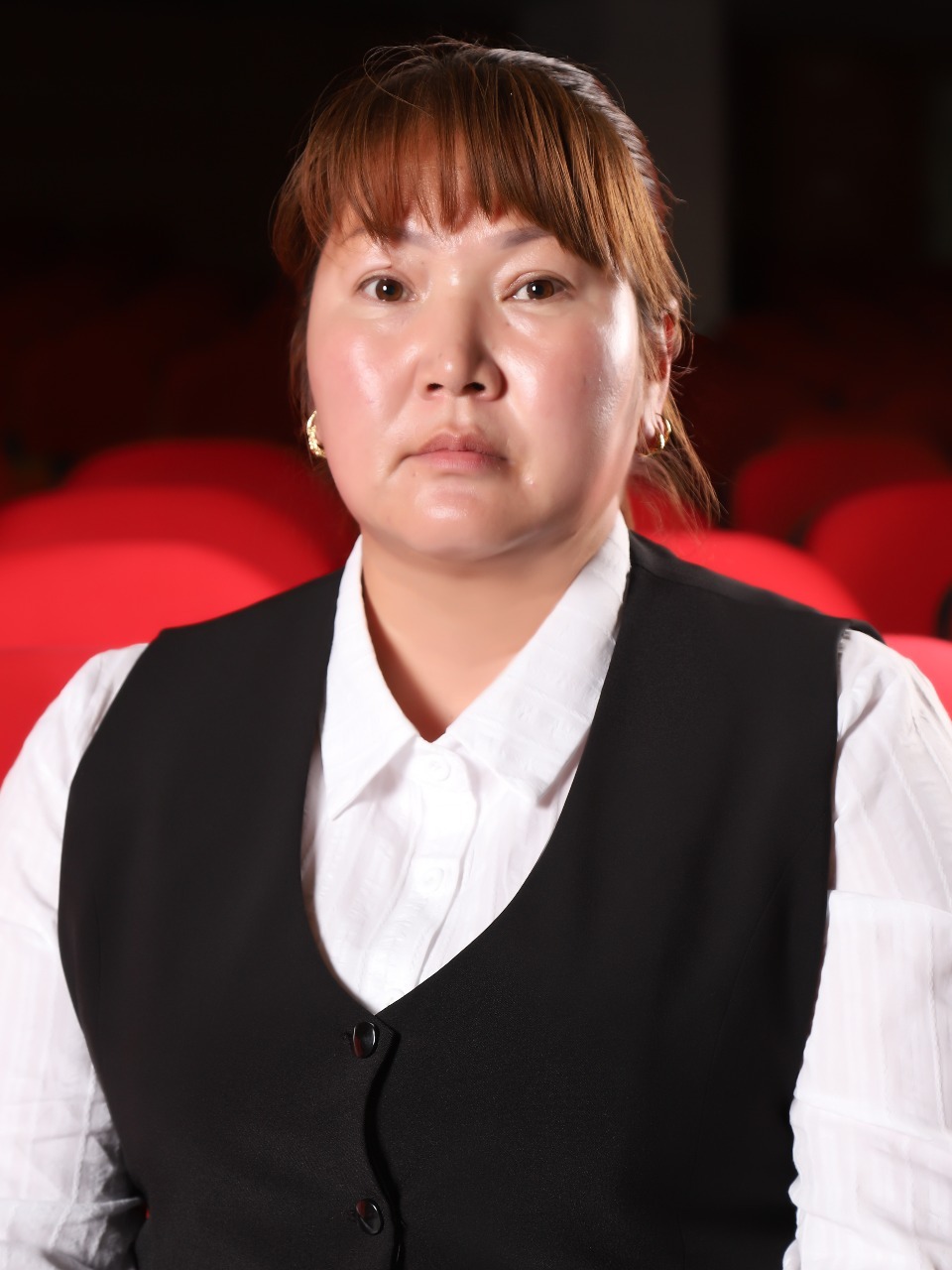
E. Khandsurent
Archive, Document Management
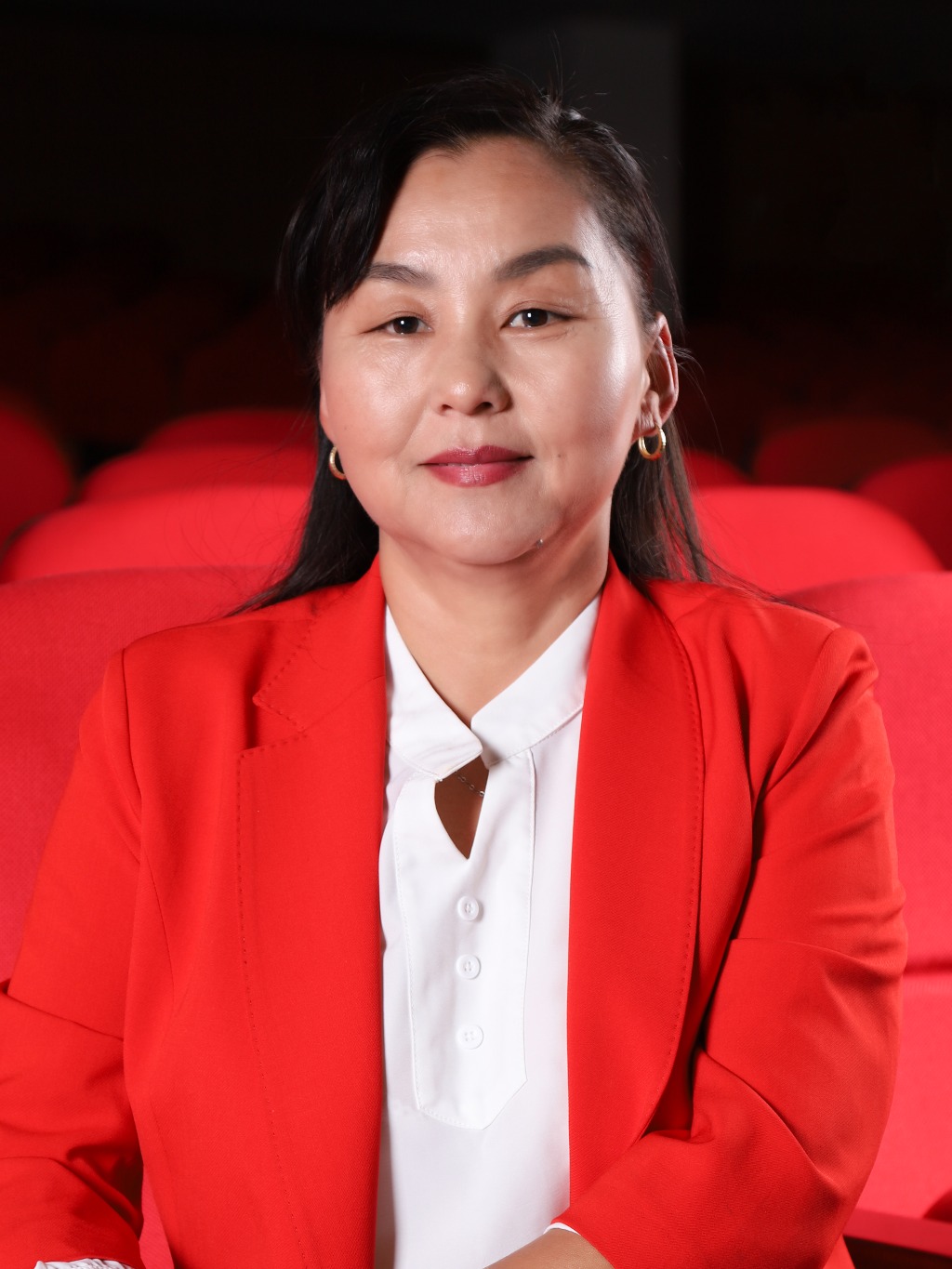
D. Budkhuu
Cashier / Ticket Seller
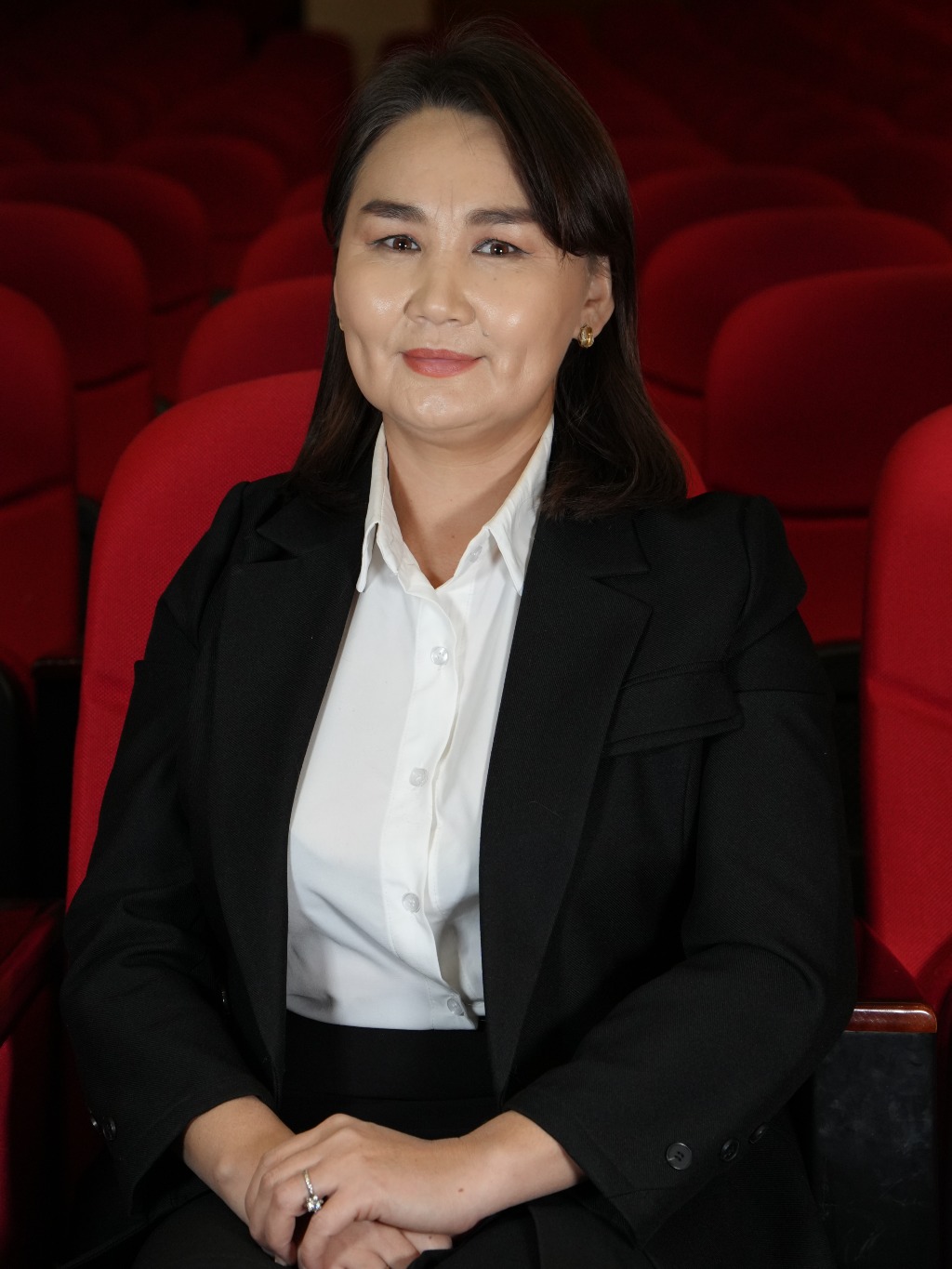
B. Gansuvd
Cashier, Ticket Distributor
Operation Division
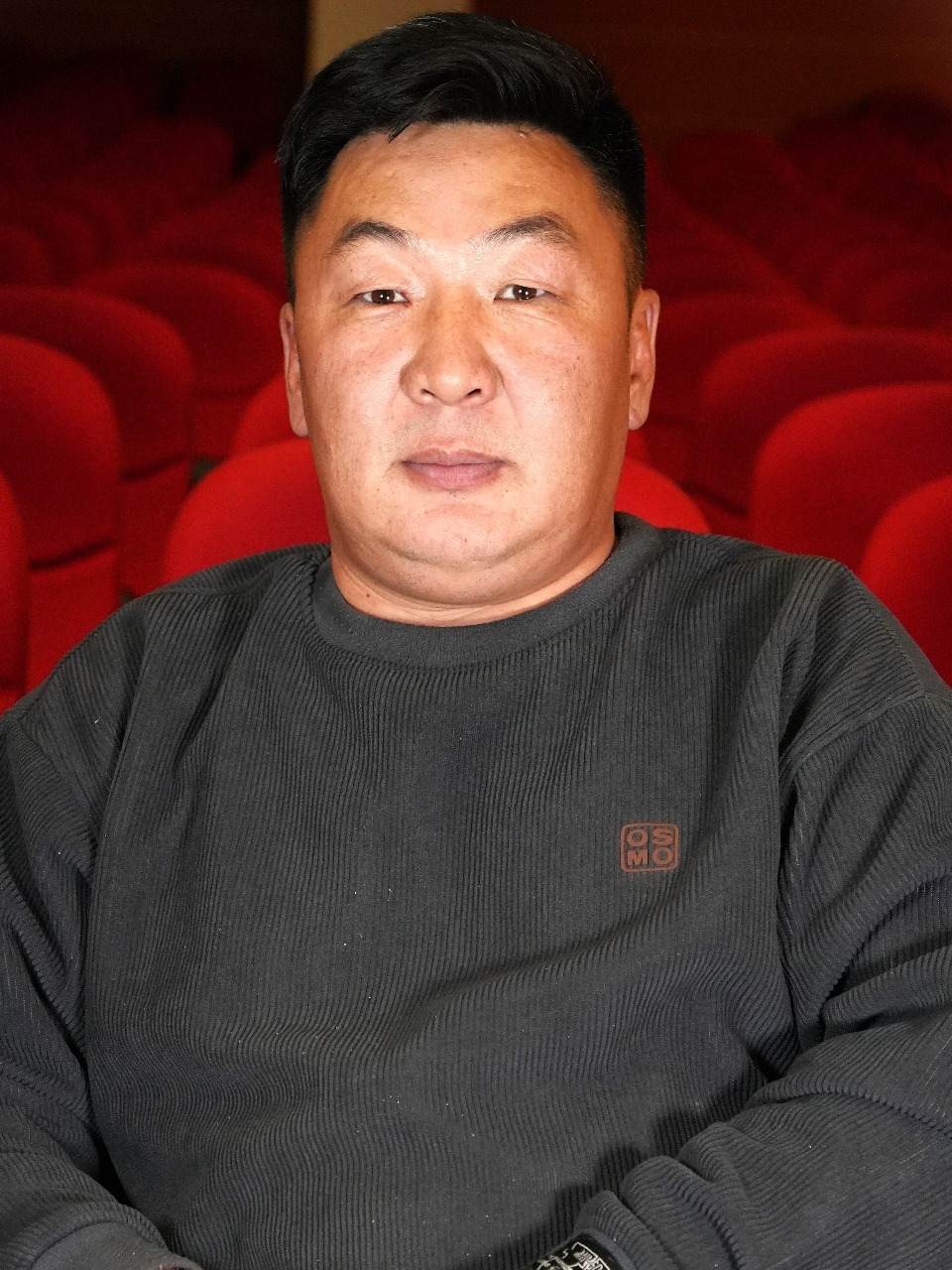
G. Gan-Ölzii
Occupational Safety and Health Officer
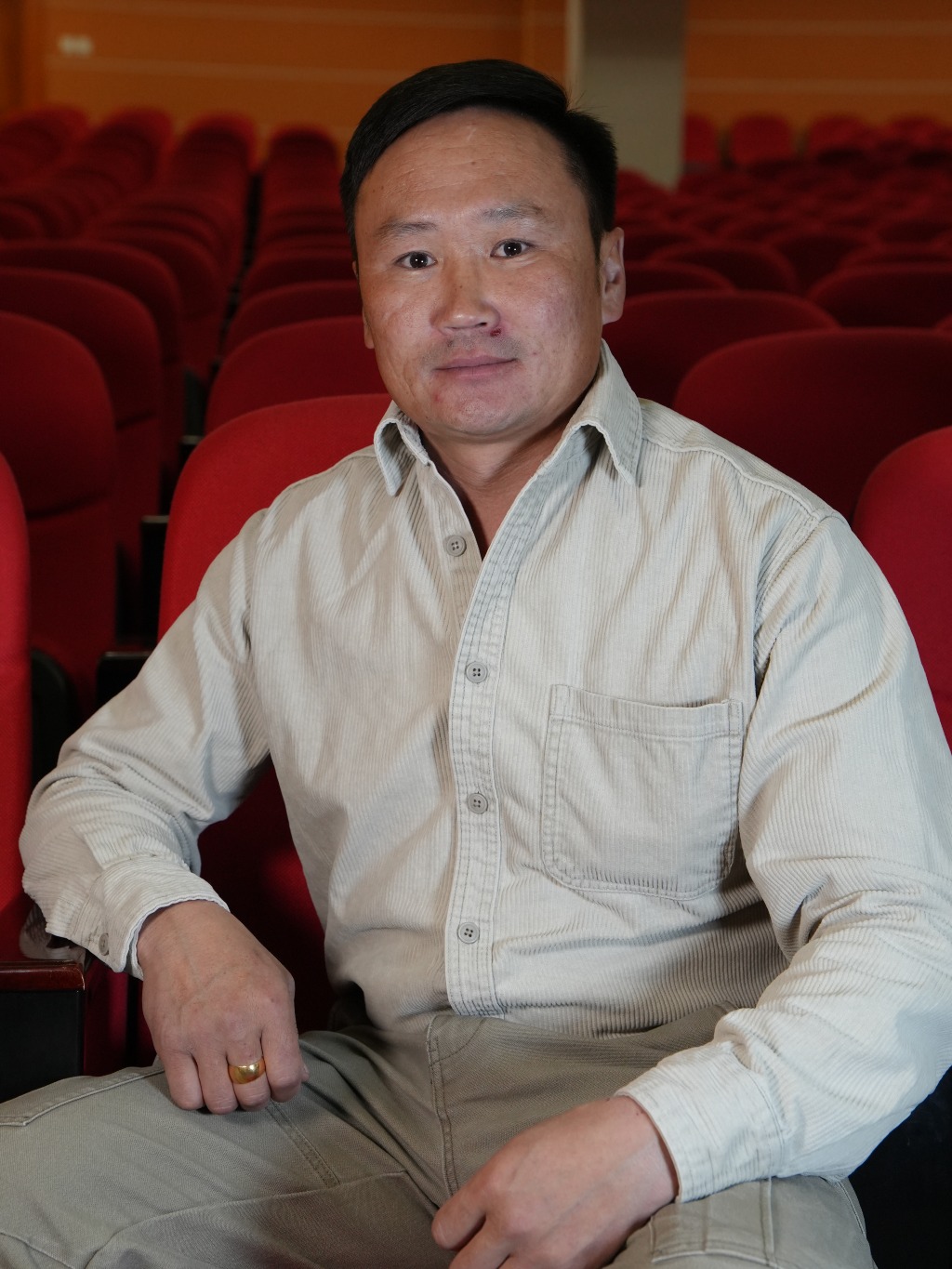
A. Bayarjargal
Electrical Engineer

D. Onorbat
Locksmith, Plumber
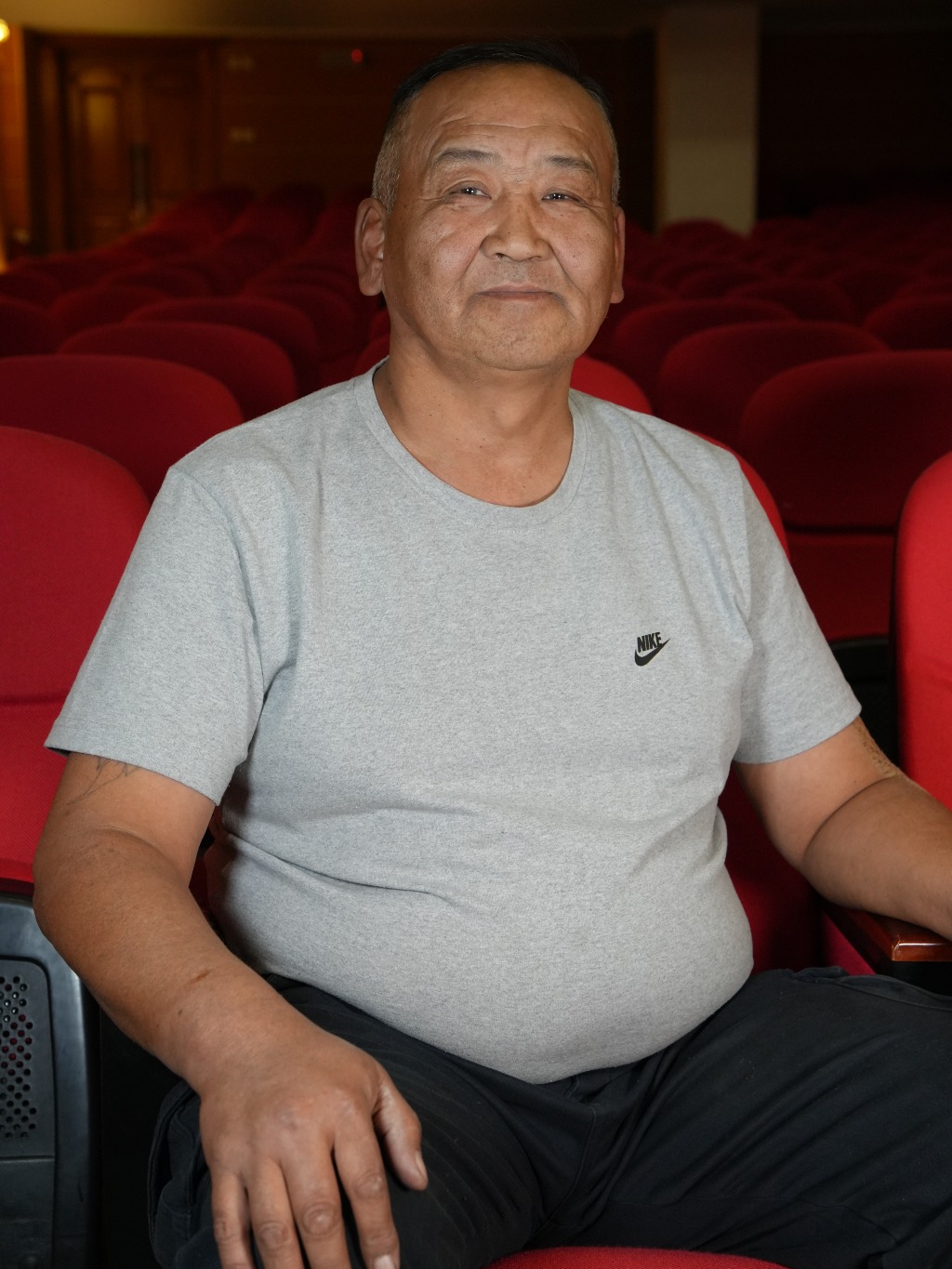
S. Enkhchuluun
Janitor
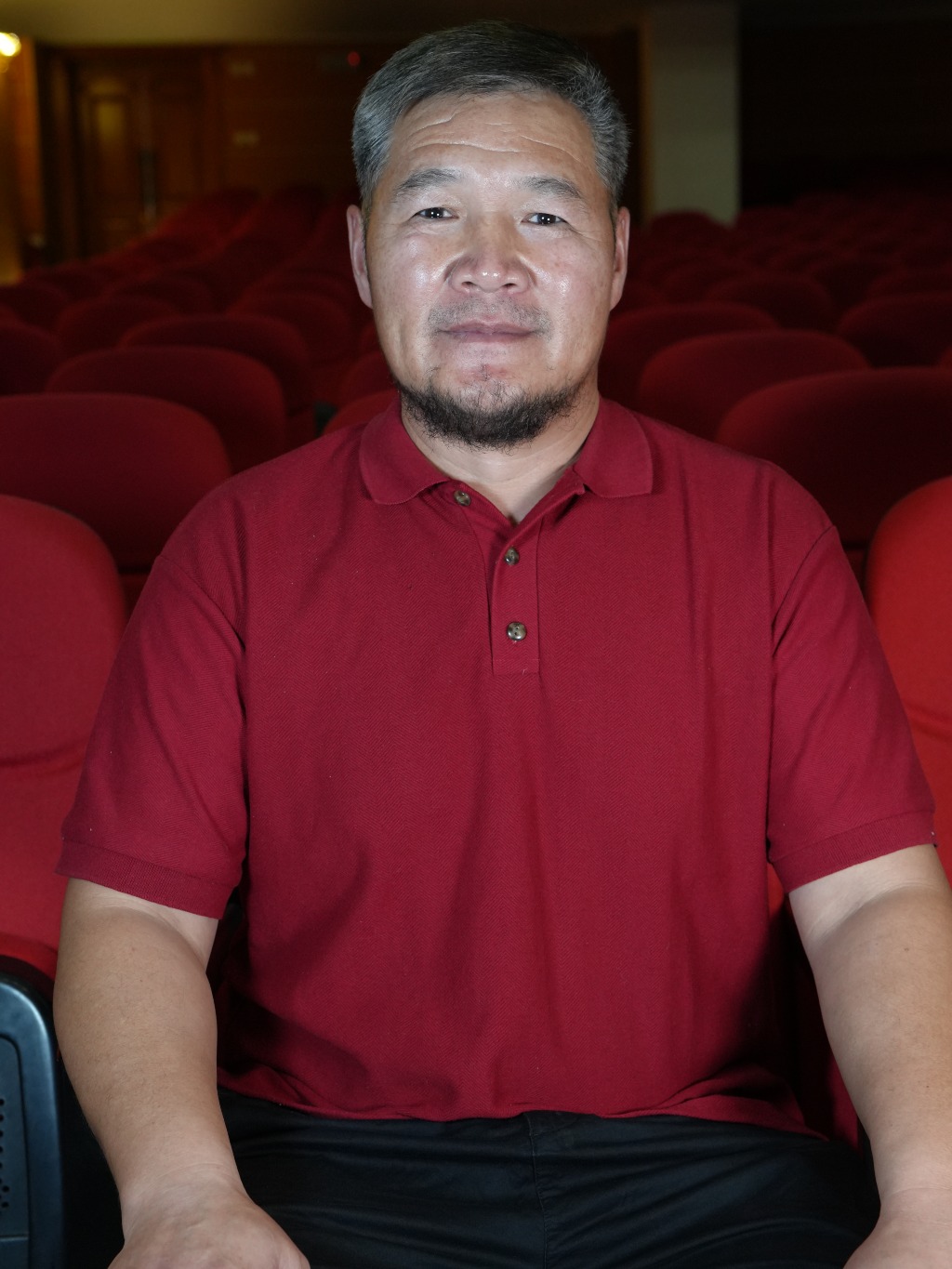
B. Tsegmid
Janitor
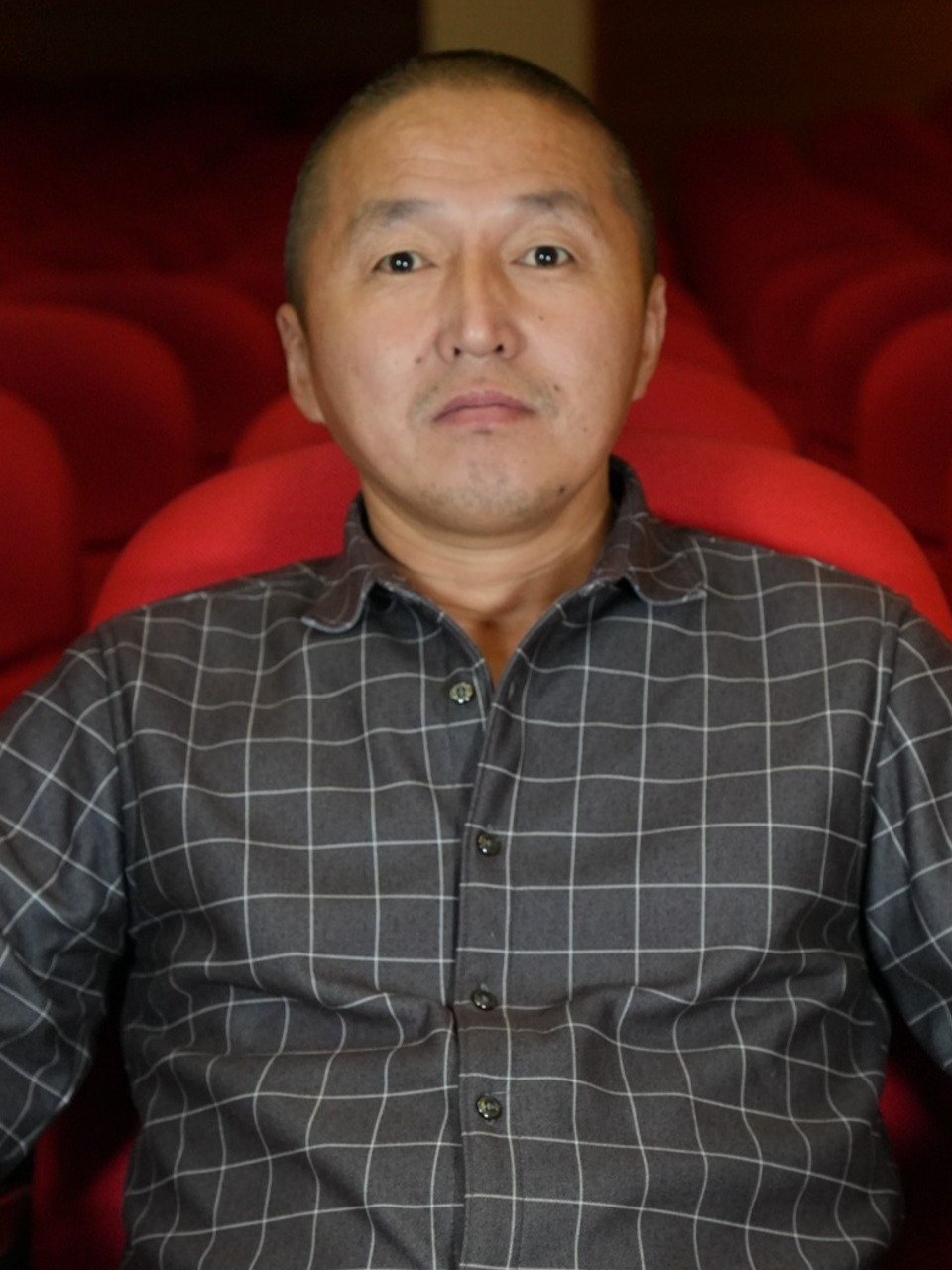
B. Enkhbaatar
Janitor
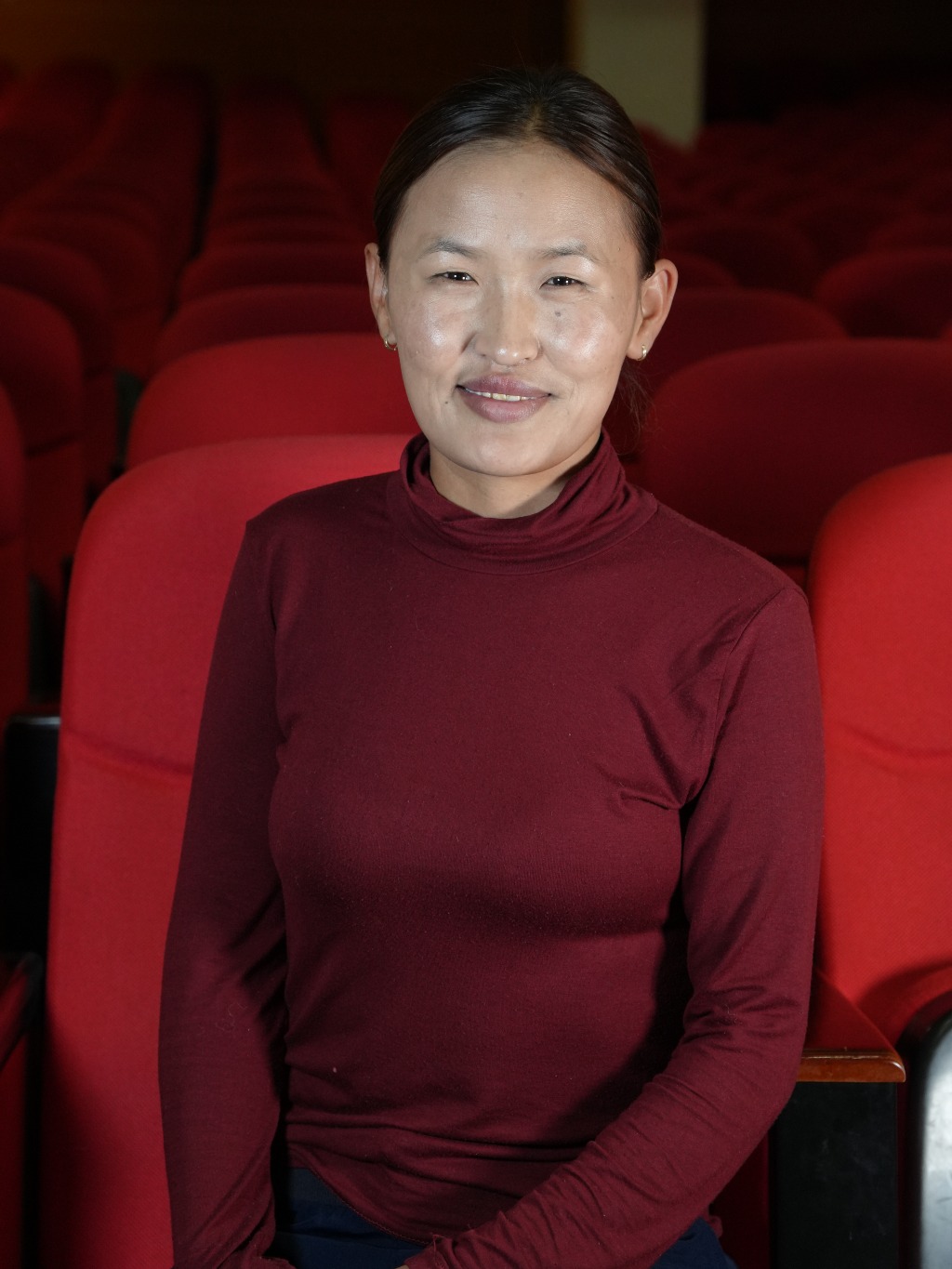
E. Batsüren
Cleaner
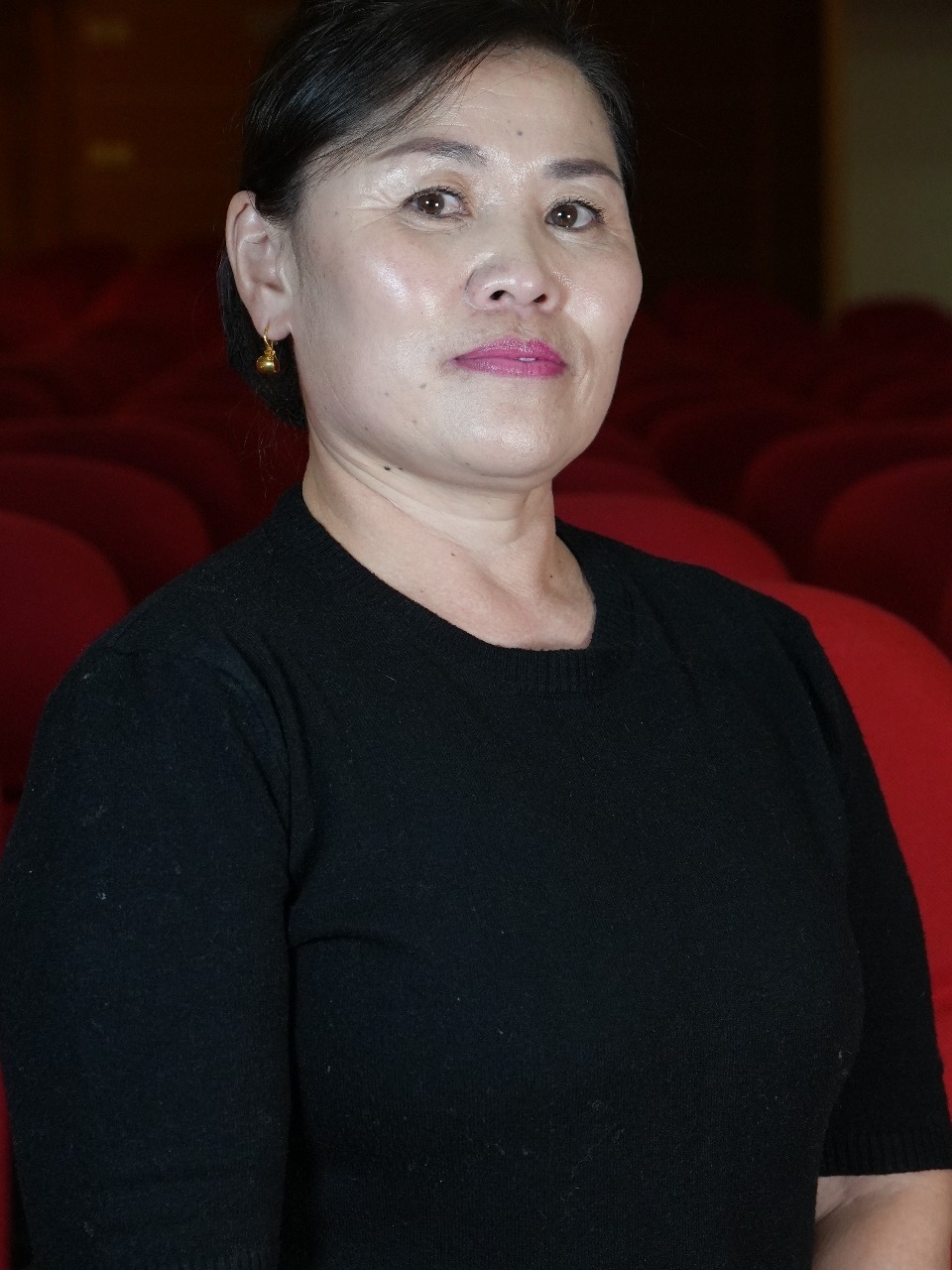
B. Bayartsetseg
Cleaner

S. Gangantögs
Cleaner

R. Altanzul
Cleaner
Marketing Division
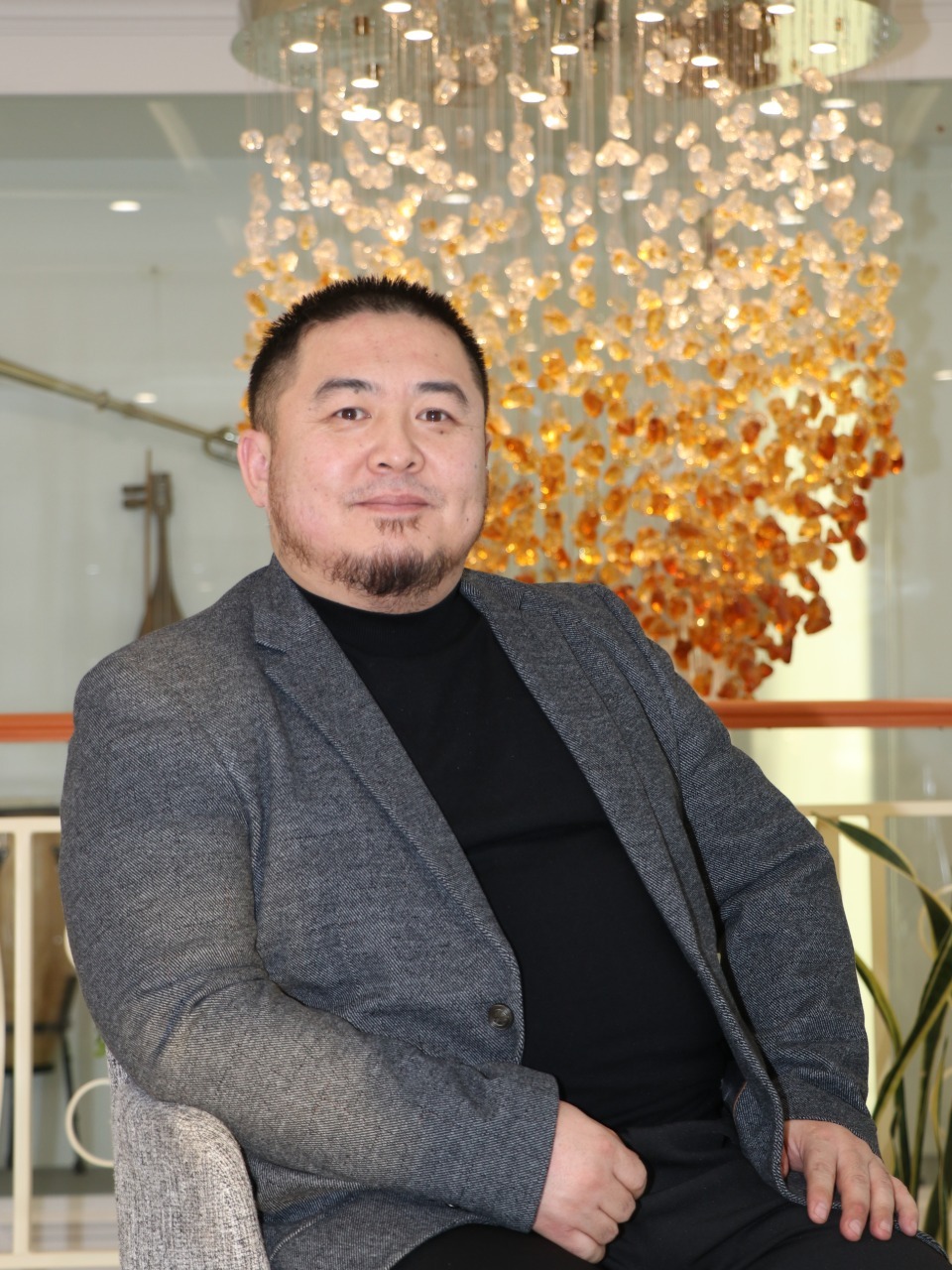
D. Mönkhbaatar
Marketing Manager
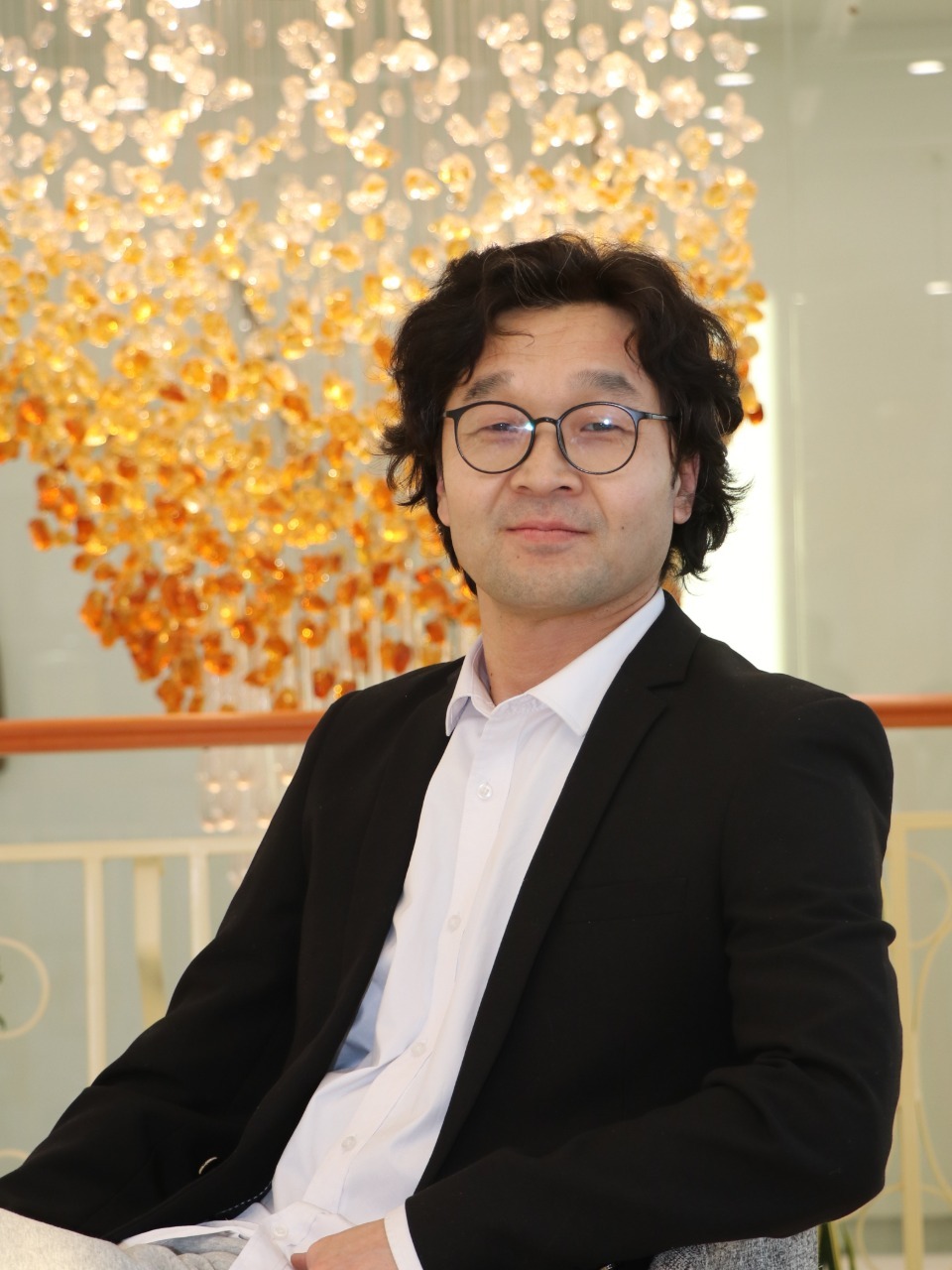
Ts. Erdenebulgan
Marketing Manager
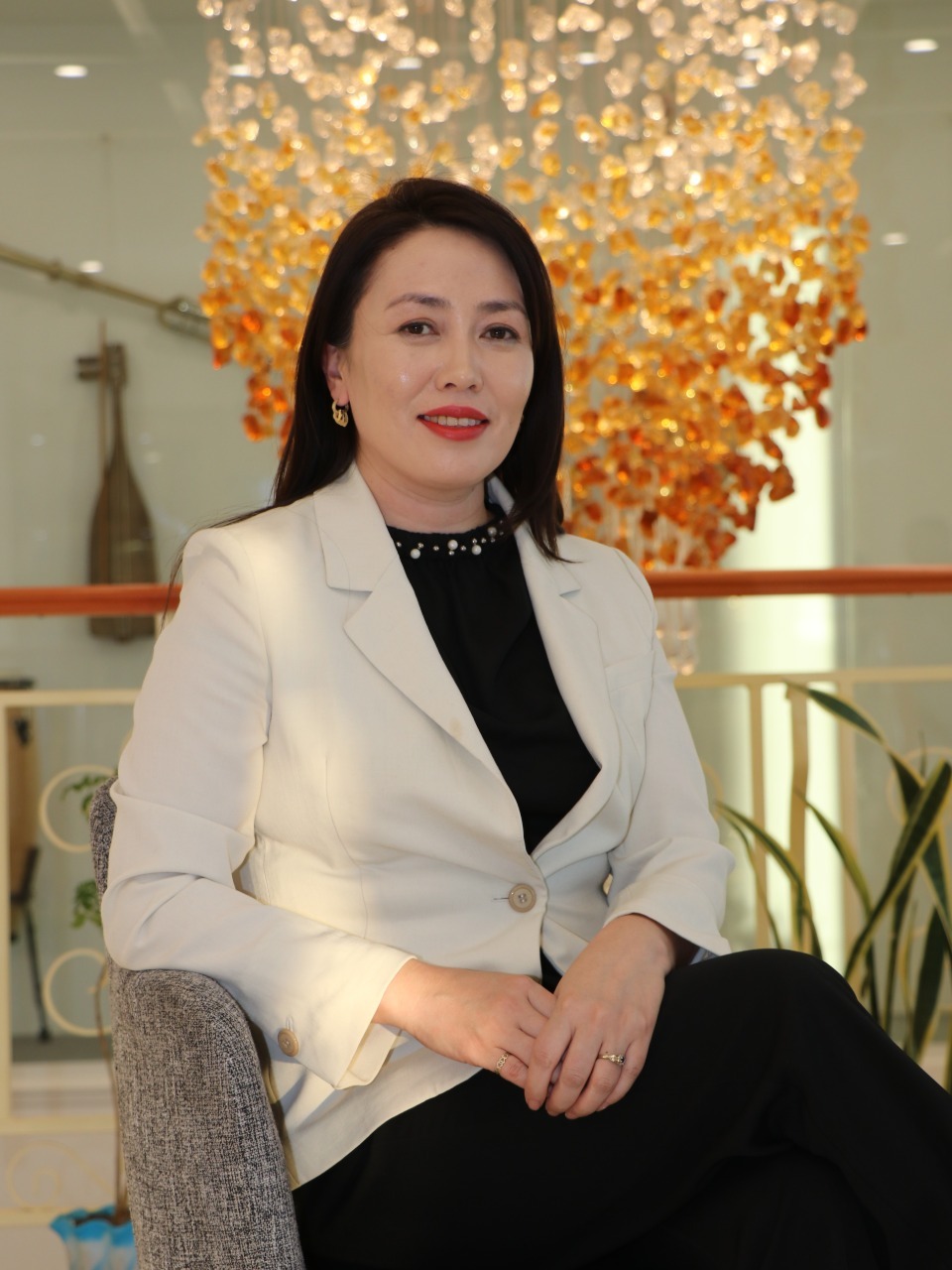
S. Oyun-Erdene
Marketing manager
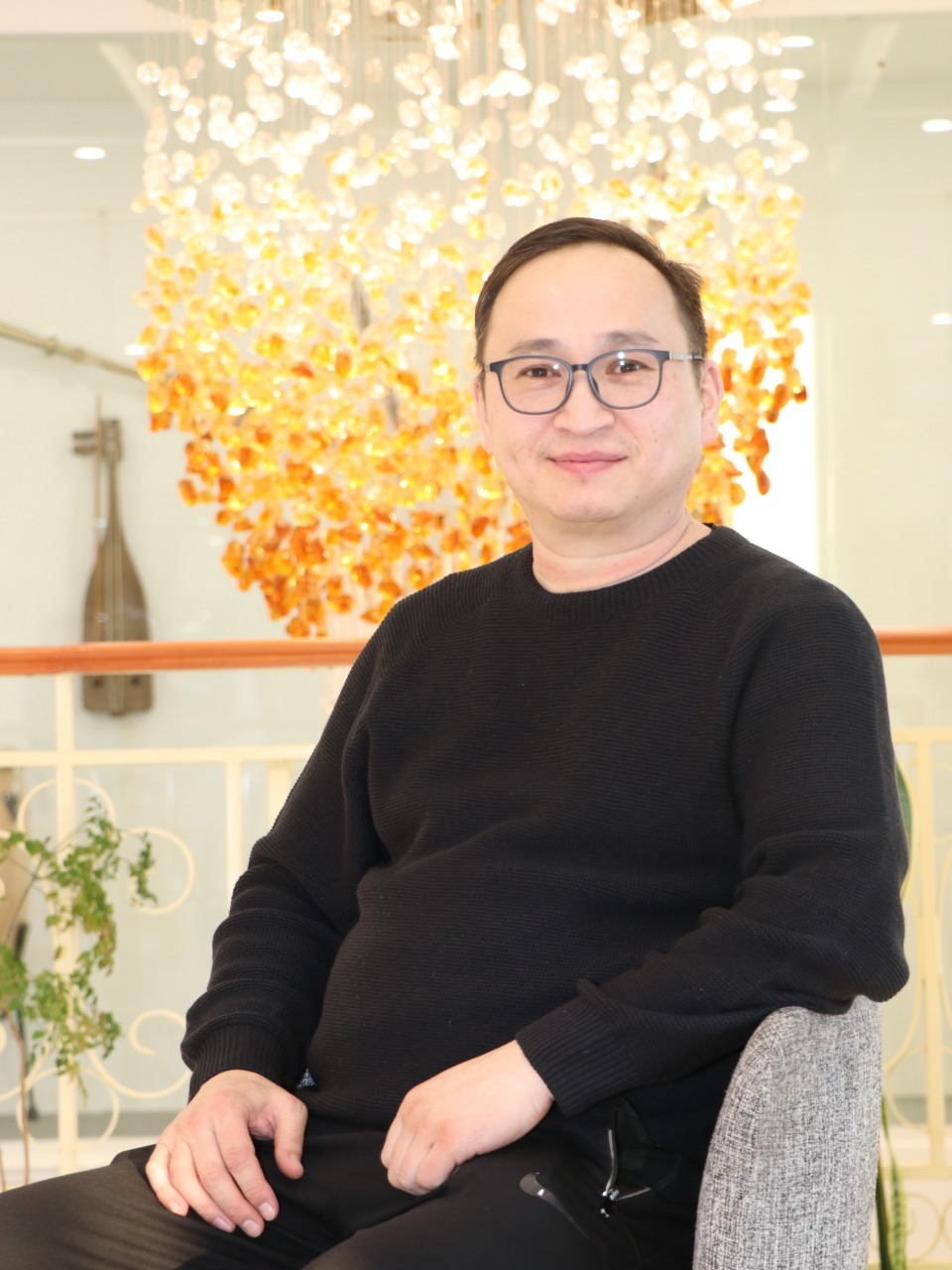
B. Tsogtsaikhan
Marketing Manager
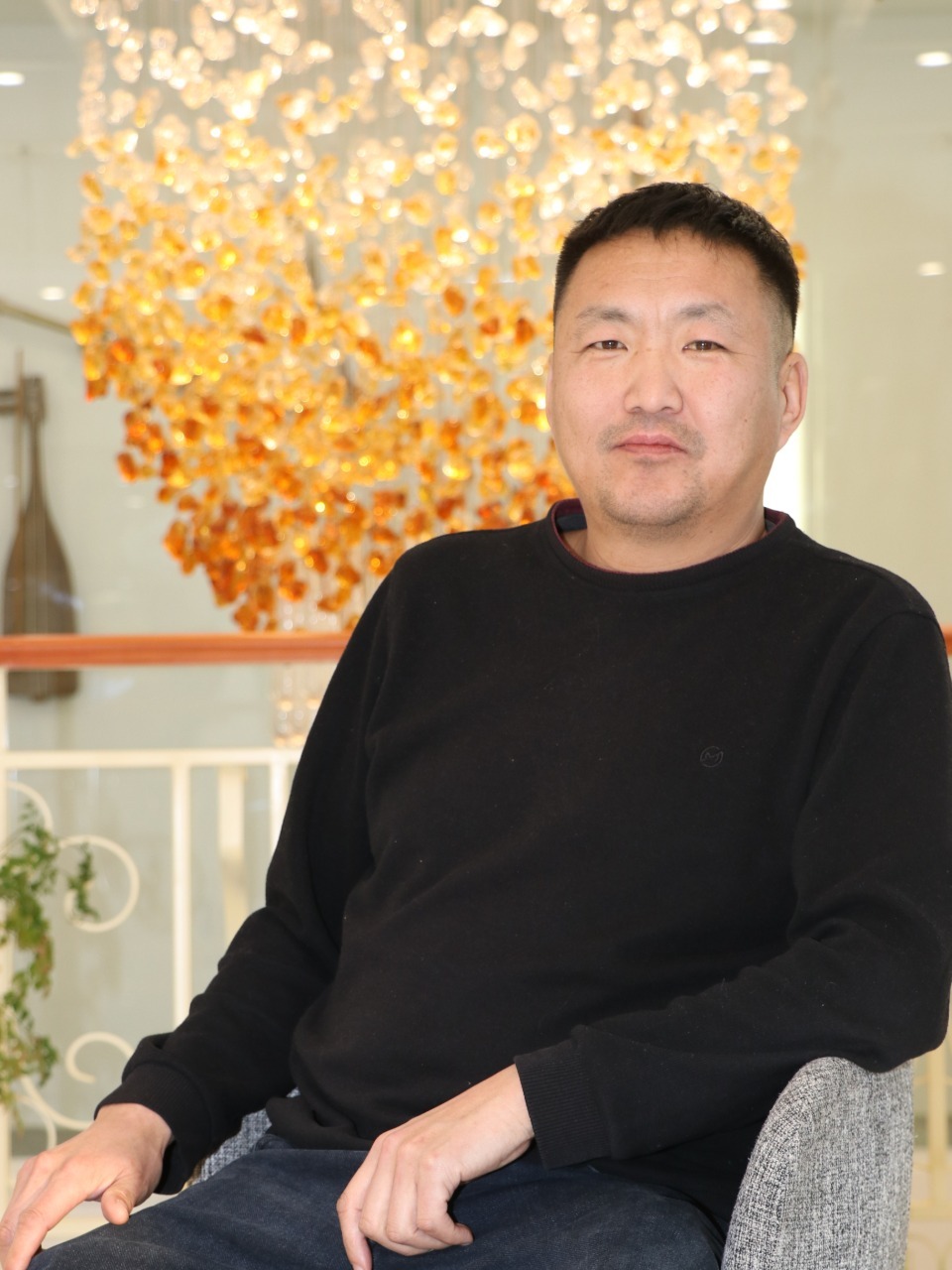
L. Mönkhbold
Marketing Manager

A. Erdenebat
Public Relations Officer
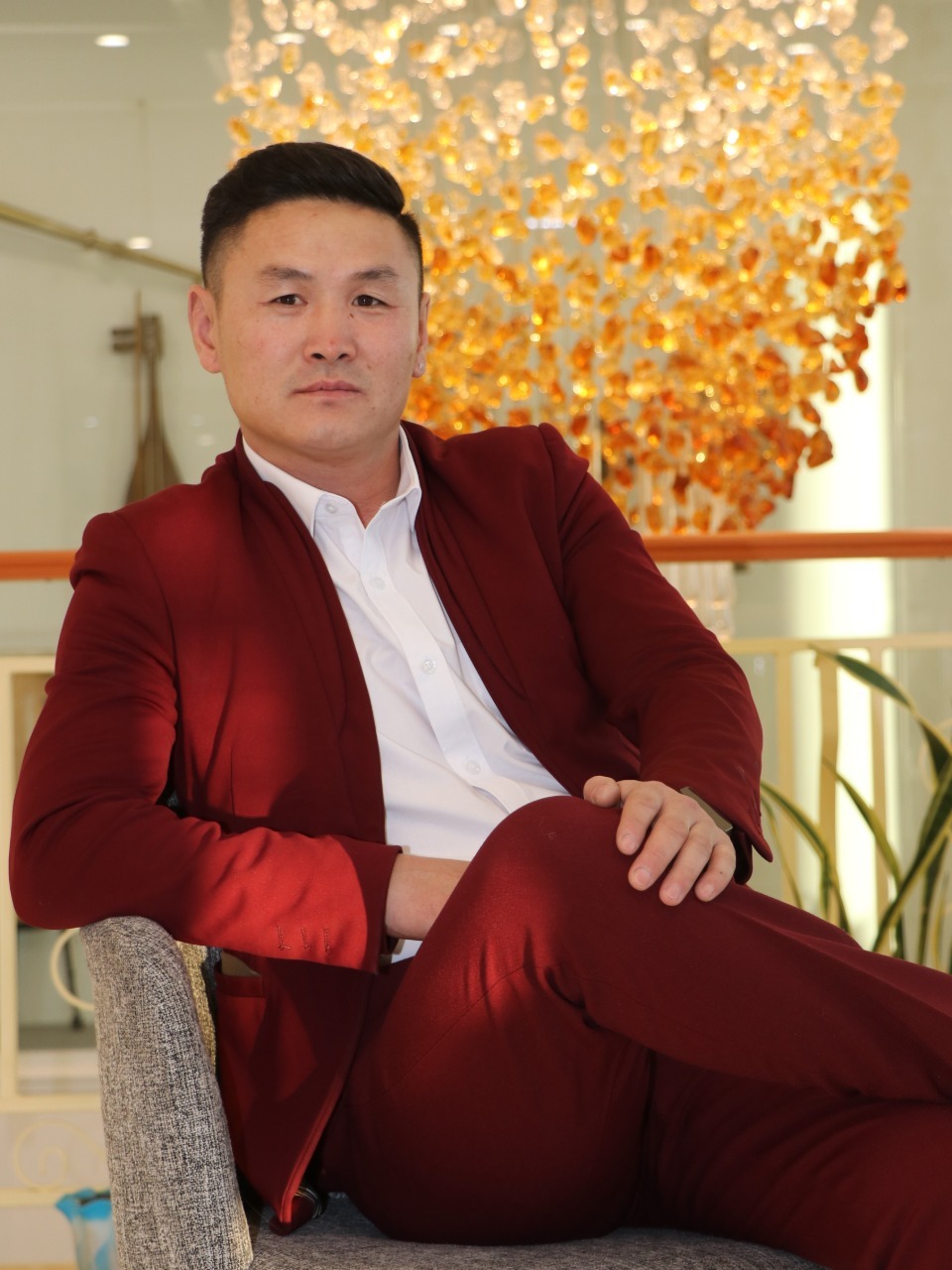
B. Erdenebayar
Marketing Manager
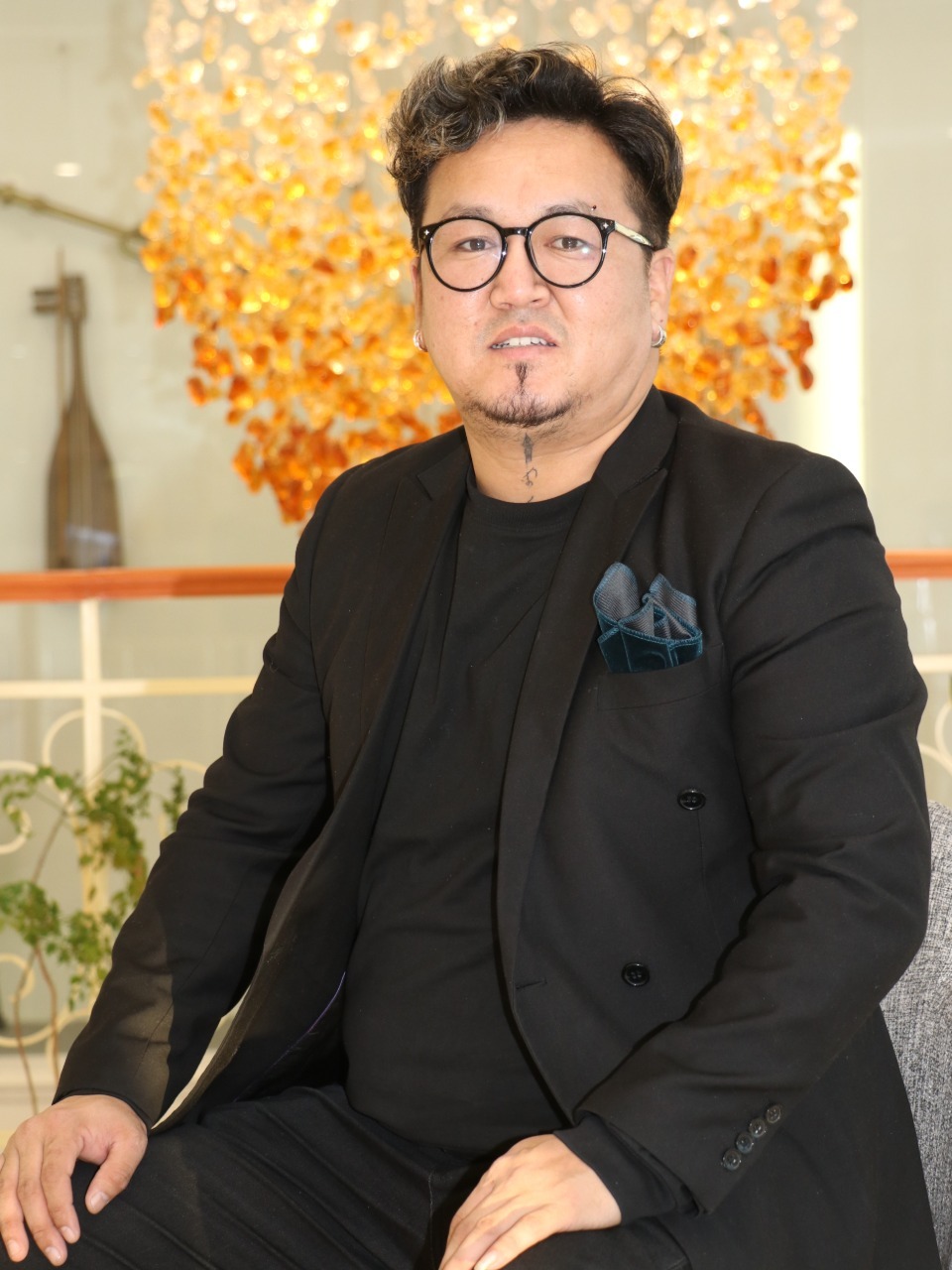
B. Mönkhcatsral
Video Editor, Photographer
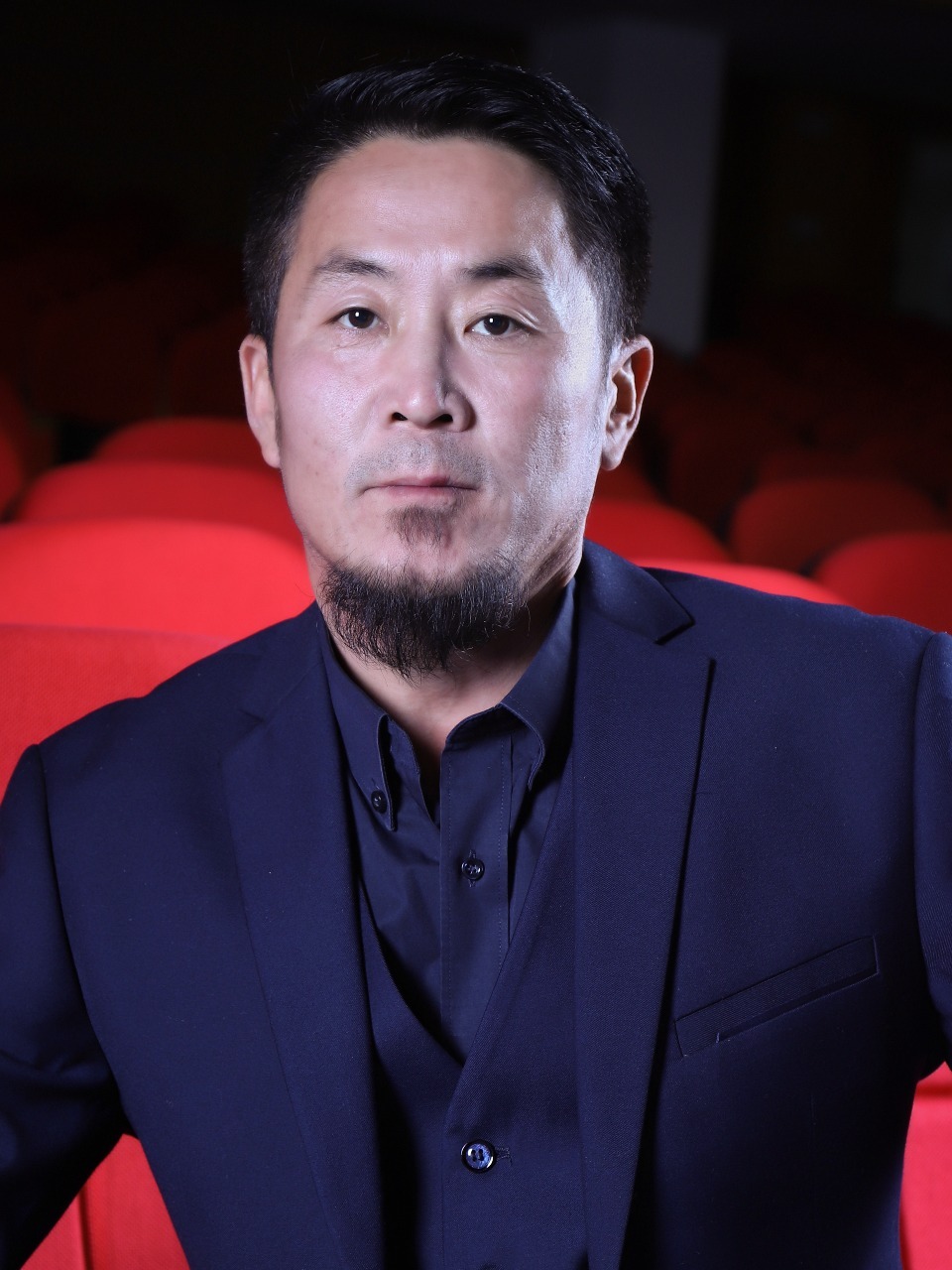
O. Usukhbayar
Ticket Checker, Usher, Merited Artist of Mongolia (MSTA)
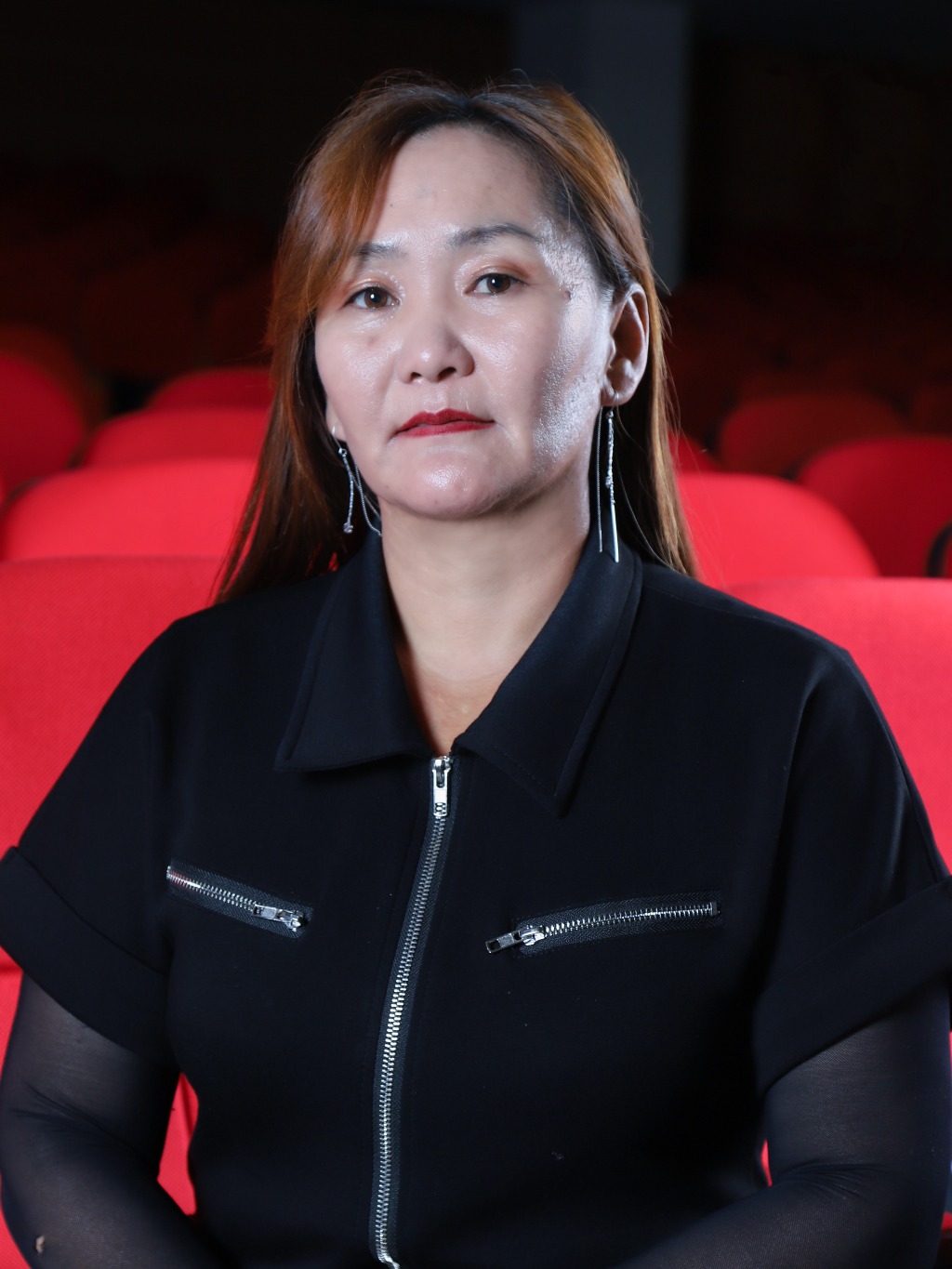
Sh. Khurel-Od
Ticket Checker / Usher
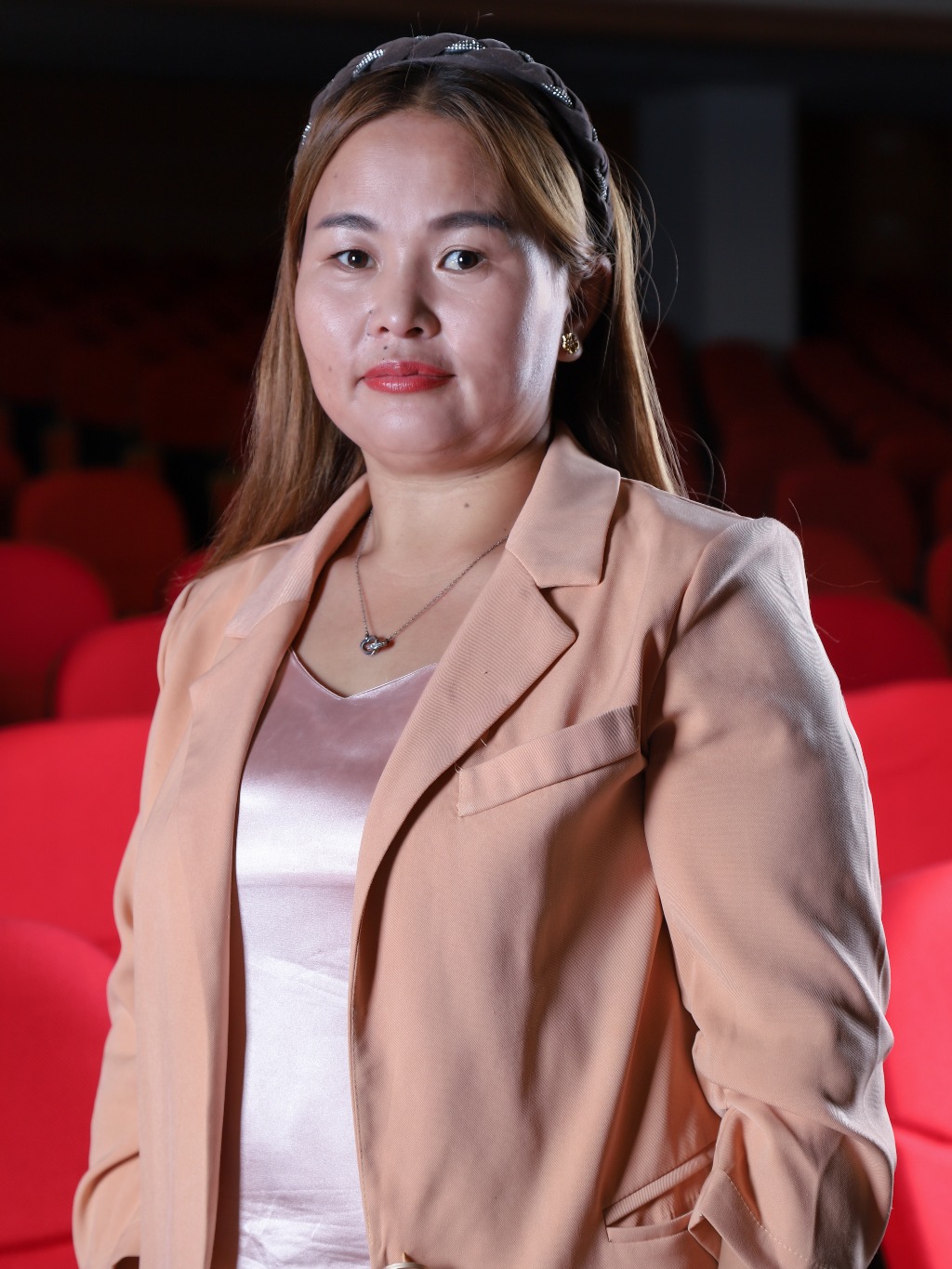
B. Gerelzul
Ticket Checker / Usher

Ts. Gantuya
Ticket Checker, Usher
Vocal Division

The Vocal Division of the Khan Khentii Ensemble traces its origins back to 1958 when the Cultural Palace was first established, combining both choir and drama divisions. Over the years, this division has produced many renowned singers.
The first vocal instructors of the Khan Khentii Ensemble were People’s Artist of Mongolia (MUUGZ) L. Dashnyam from the Tsend-Ayush Cultural Palace.
The first generation of singers included People’s Artist of Mongolia (MUAJ) Ch. Sharkhuukhen, Merited Actor of Mongolia (MUGJ) S. Nansalmaa, Merited Actor of Mongolia (MUGJ) Ts. Ichinkhorloo, Merited Artist of Mongolia (MUSTA) Nyamdavaa, MUSTA Mendee, MUSTA B. Tsende-Ayush, MUSTA Kh. Lkhagvakhorol, MUSTA Janchiv, MUSTA Dashdondov, MUSTA Enkhbat, MUSTA Bold, and People’s Honorary Merited Artist B. Davaajav.
Vocal instructors throughout the years have included People’s Artist of Mongolia (MUUGZ) L. Dashnyam, Merited Artist of Mongolia (MUSTA) B. Avirmed, MUSTA B. Khurelbaatar, MUSTA B. Byambajav, MUSTA G. Batbaatar, People’s Honorary Merited Artist B. Davaajav, and MUSTA B. Enkhbayar.
The mid-generation vocalists of the Khan Khentii Ensemble include Merited Actor of Mongolia (MUGJ) Ts. Tuvshintogtokh, MUGJ D. Enkhzul, MUGJ N. Tumurkhuyag, Merited Artist of Mongolia (MUSTA) Tsambalkhündev, MUSTA S. Oyunchuluun, MUSTA Baasanjav, MUSTA Khandarmaa, MUSTA Enkhdulam, MUSTA Narantsetseg, MUSTA Altantuya, MUSTA Tsermaa, MUSTA Ölziinaran, MUSTA Lkhagvakhorol, G. Gerelbaatar, B. Davaajav, Ts. Battör, B. Khurelbaatar, R. Otgontuya, MUSTA G. Batbaatar, MUSTA D. Shinebayar, Merited Actor of Mongolia (MUGJ) G. Khongorzul, MUSTA R. Batbold, MUSTA O. Enkhbileg, N. Byambajav, MUSTA Sh. Sukhbat, N. Bayartsesteg, Kh. Sandagdorj, MUSTA Ts. Ankhbold, S. Saruuljargal, N. Erdenesaruul, D. Bayartsogt, MUSTA G. Bolormaa, B. Nandinsuvd, P. Oyuuntuya, J. Byambalkhagva, Altansaruul, Songuul, Tsolmonbaatar, Sarankhuu, and Mungunzul.
The vocal division is distinguished by its unique tone, distinctive vocal technique, and stylistic depth that set it apart from others. Furthermore, its timeless musical style ensures that the artistic legacy of this division endures across generations, without fading away over time.
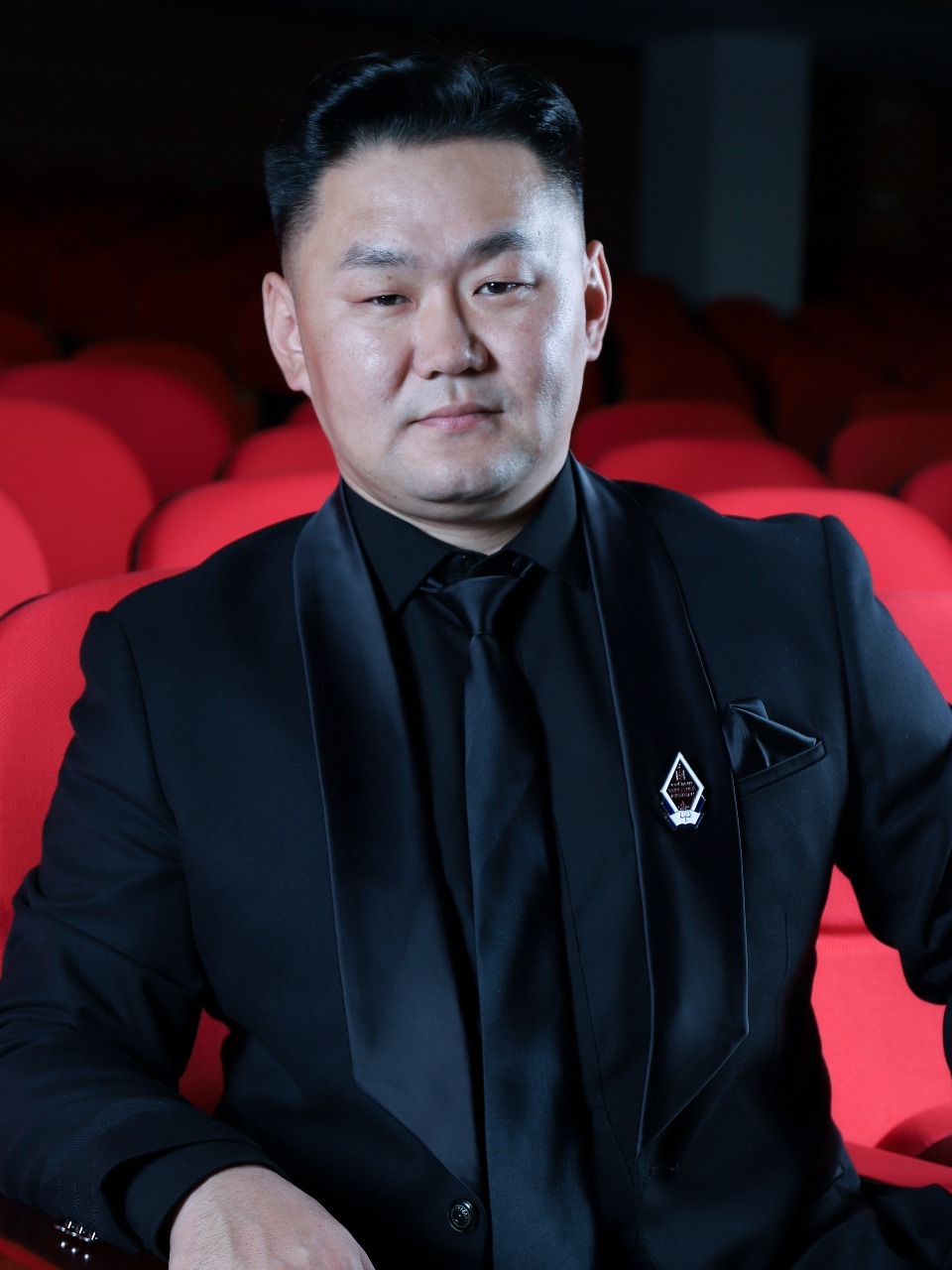
E. Davaadorj
Lead Singer, Vocal Department Head, Merited Artist of Mongolia (MSTA)
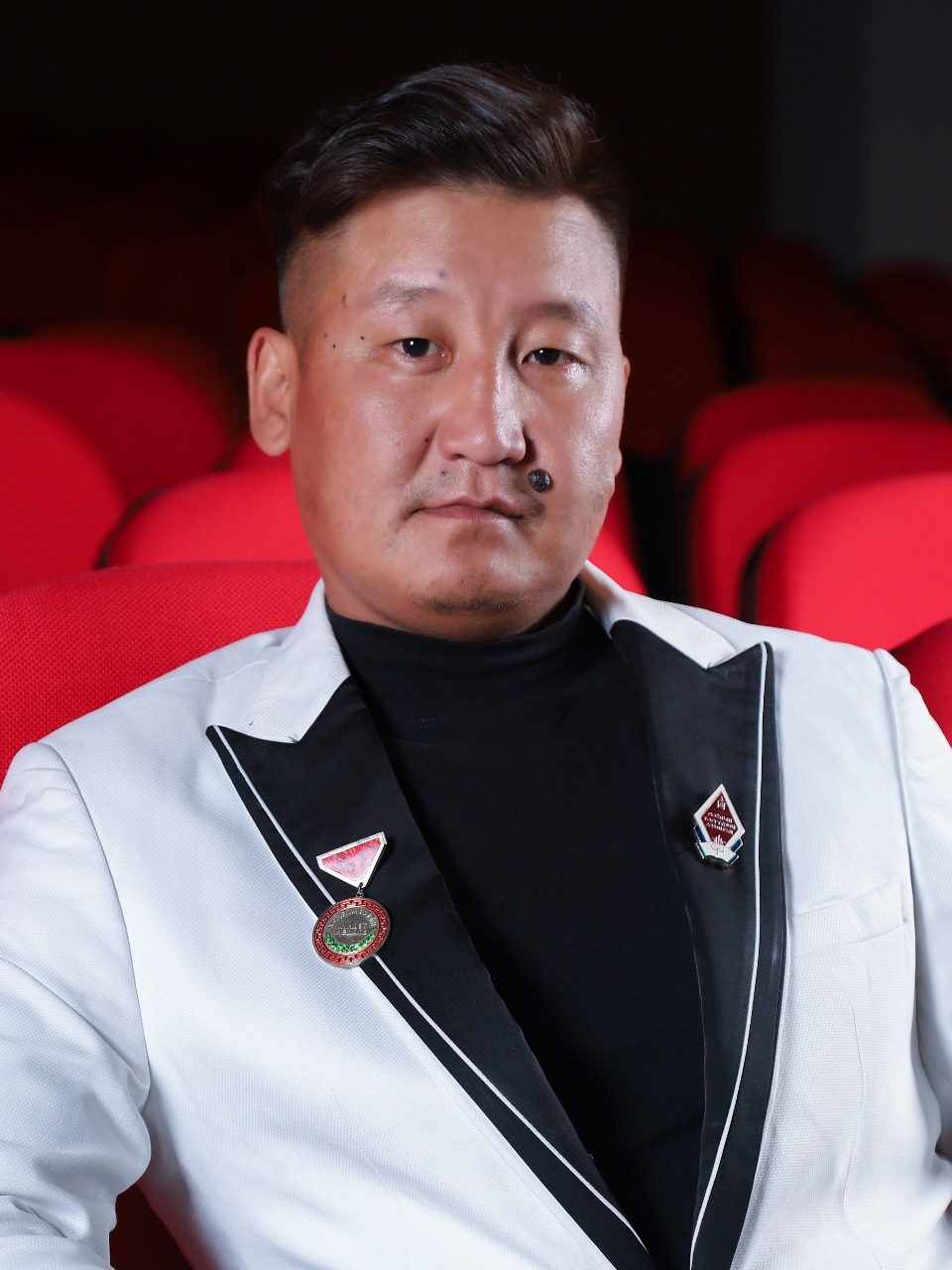
E. Ganzolboo
Lead Singer, Merited Artist of Mongolia (MSTA)

Ts. Tsogzolmaa
Lead Singer, Merited Artist of Mongolia (MSTA)

P. Oyuuntuya
Lead Singer, Merited Artist of Mongolia (MSTA)
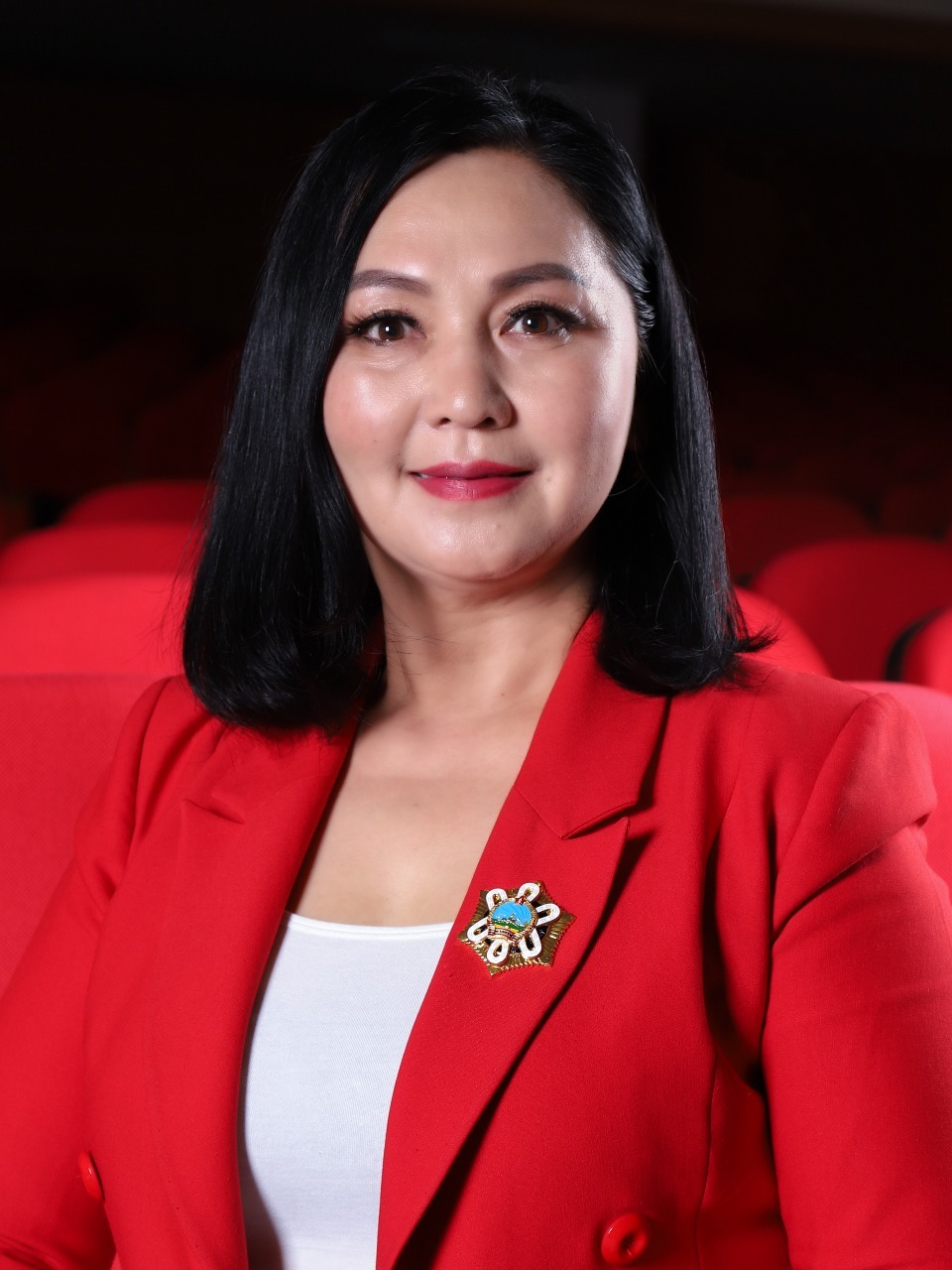
R. Otgontuya
Lead Singer, Merited Artist of Mongolia (MSTA)
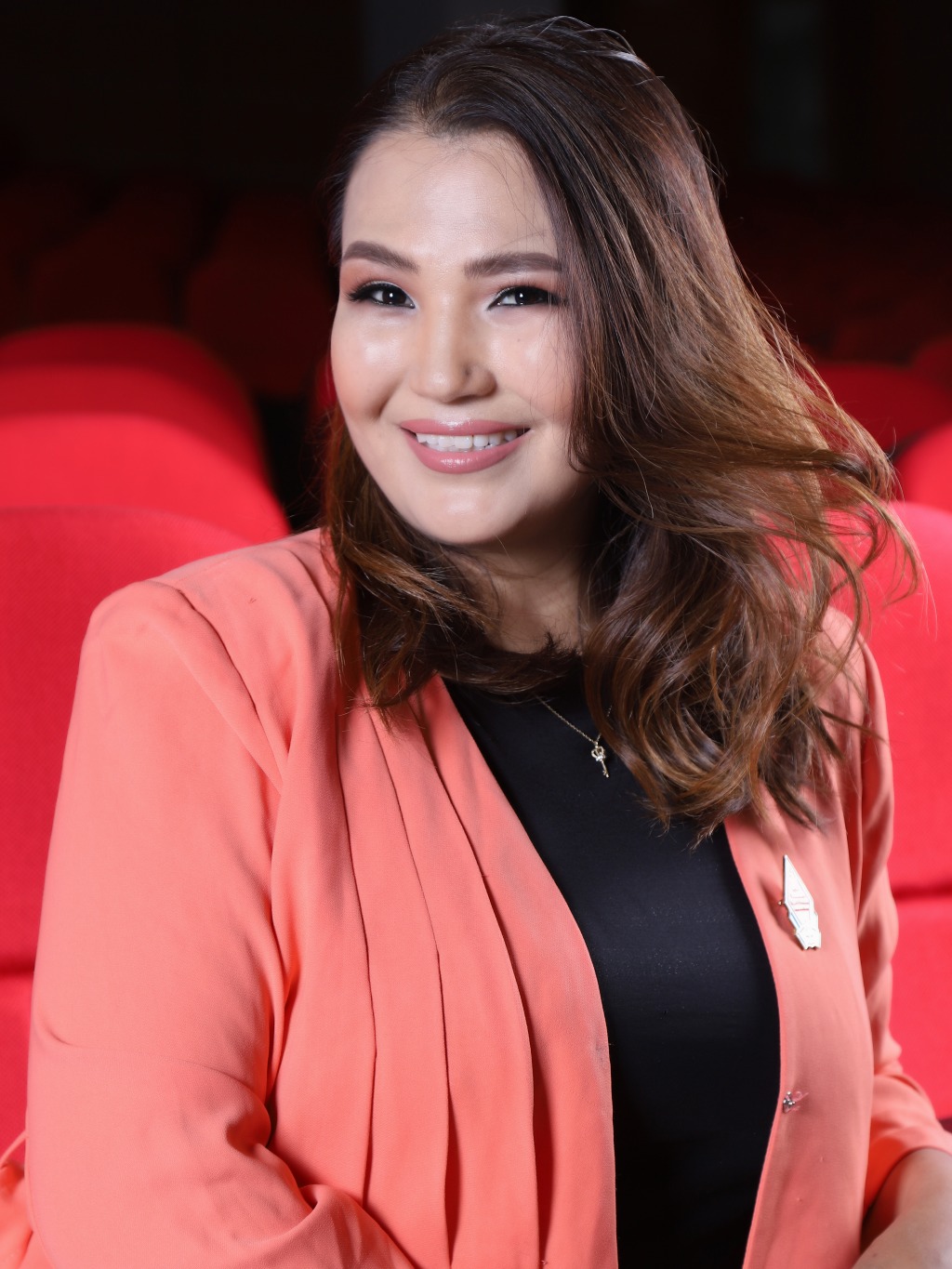
Sh. Urantsetseg
Lead Singer, Merited Artist of Mongolia (MSTA)
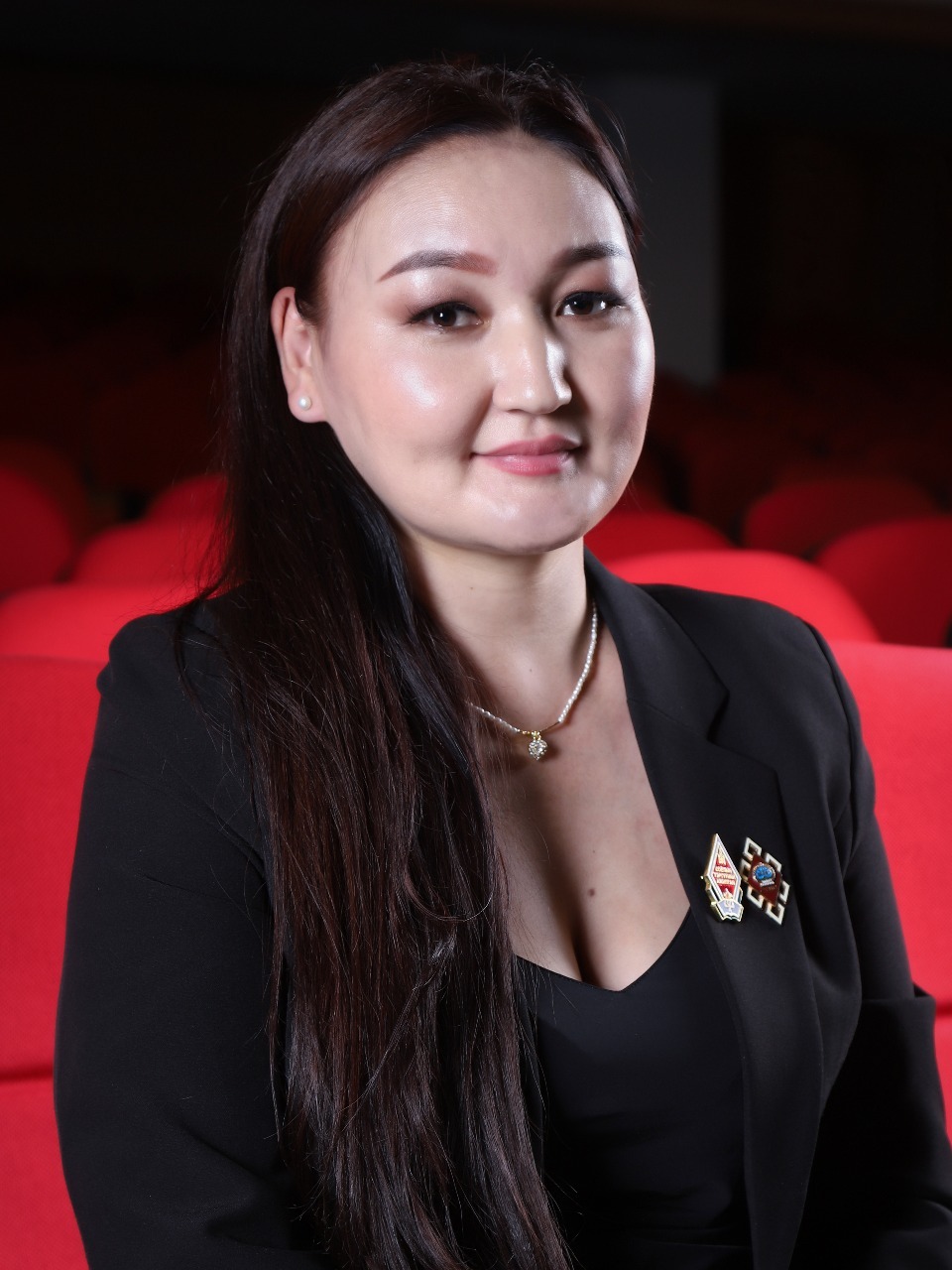
S. Sumyaa
Long Song Singer, Merited Artist of Mongolia (MSTA)

Kh. Khatantsetseg
Lead Singer, Merited Artist of Mongolia (MSTA)
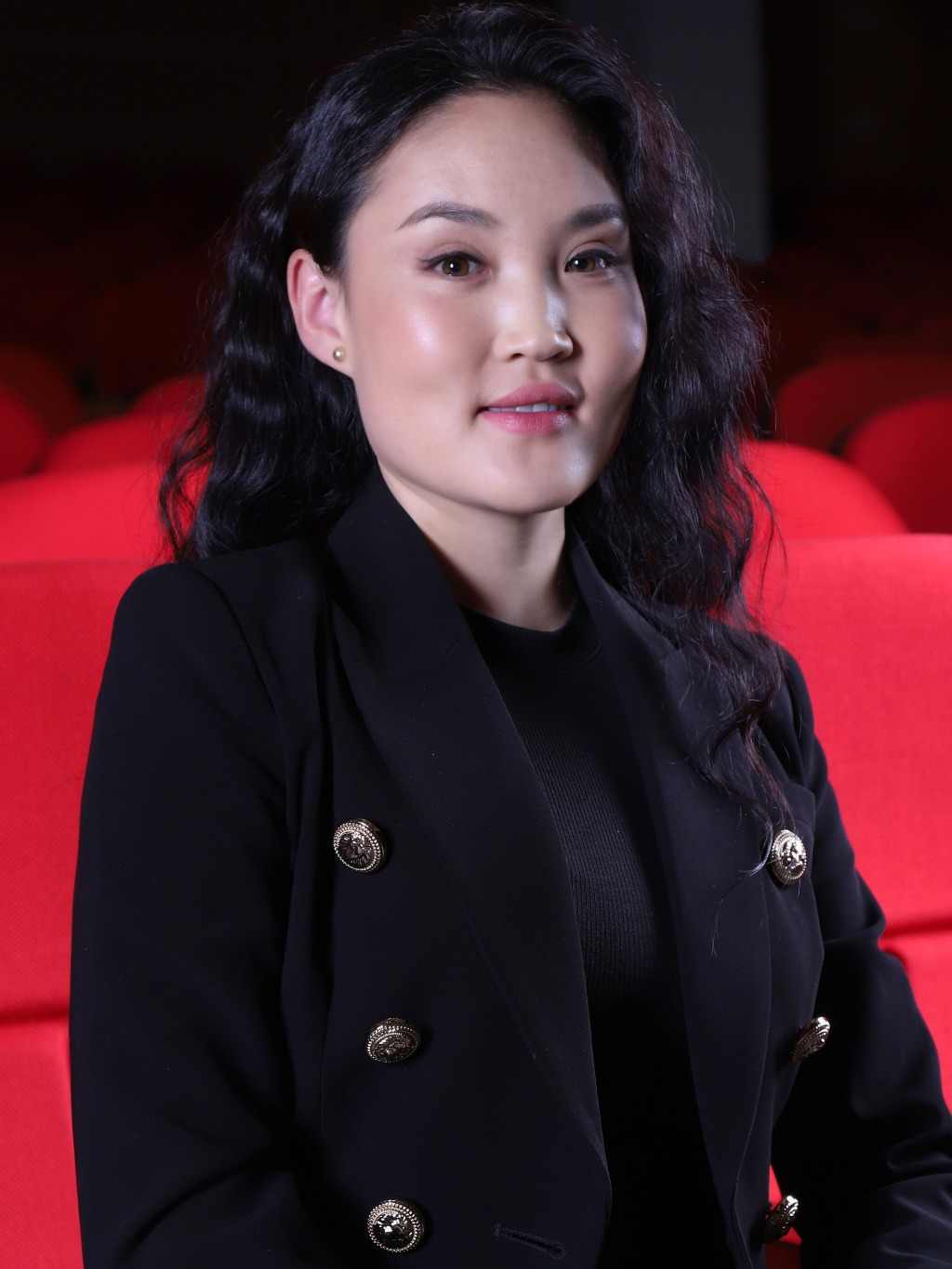
Kh. Khandjav
Lead Singer

M. Byambadorj
Singer

B. Surmaajav
Singer

Sh. Törbat
Singer
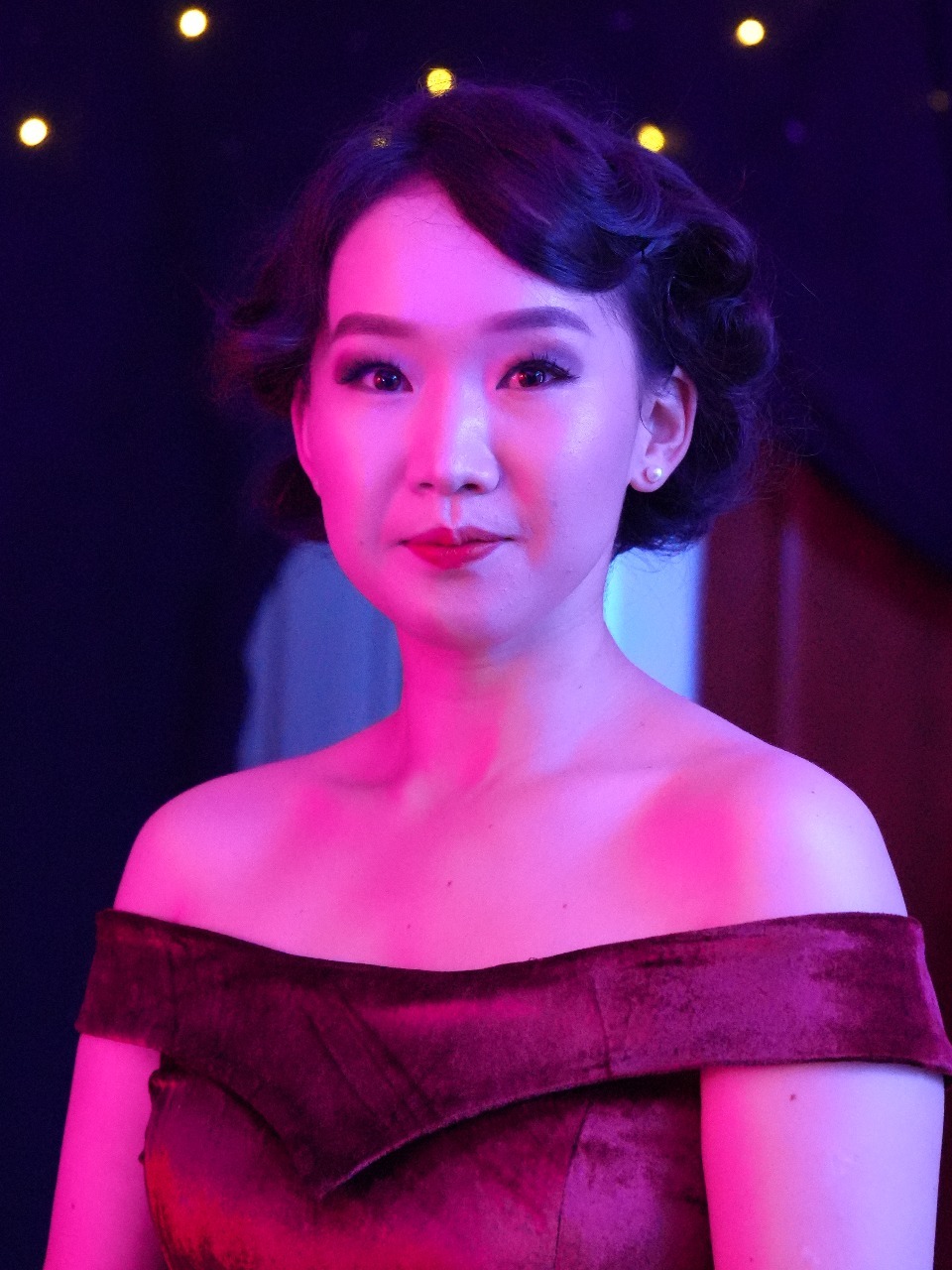
T. Ülemjmaa
Singer
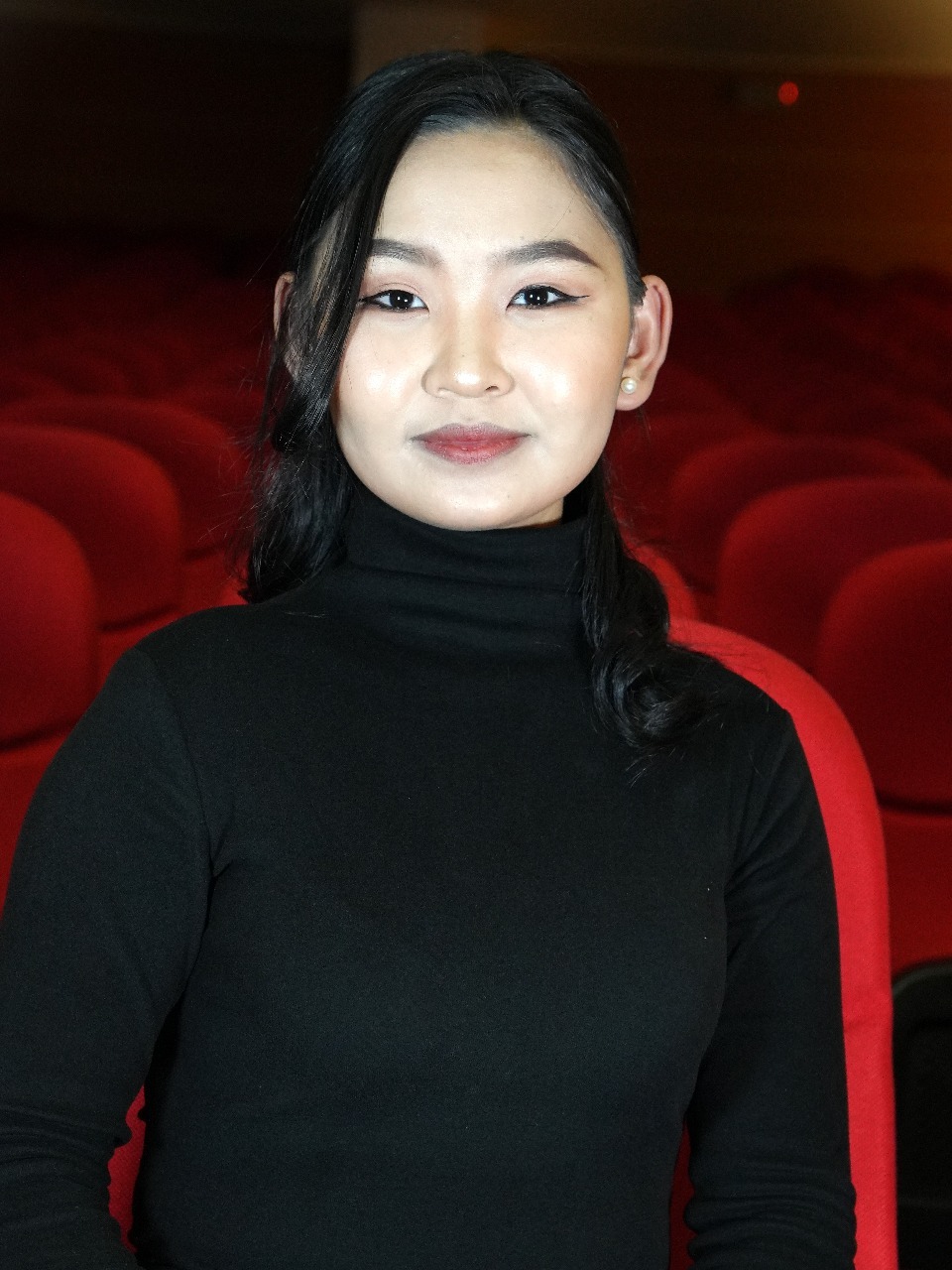
Kh. Ankhilamtsetseg
Singer
Dance Division

The Dance Division of the Khan Khentii Ensemble originated in 1983 from the foundation of the Cultural Palace’s eight principal dancers. At that time, the division was led by the renowned Eastern Mongolian choreographer and dance instructor, People’s Artist of Mongolia (MUUGZ) D. Sanjaasuren, who had been the dance teacher of the Cultural Palace. Expanding on the original eight dancers, the ensemble selected talented young dancers from Khan Khentii province, increasing the number of dancers to sixteen.
Over the past 40 years, the Dance Division has been led by various distinguished dance masters. From 1975 to 1993, it was directed by People’s Artist of Mongolia (MUUGZ) D. Sanjaasuren. From 1993 to 2004, it was under the leadership of People’s Artist of Mongolia (MUUGZ) Ts. Oyunbaatar, and from 2004 to 2018, it was led by Merited Artist of Mongolia (MUSTA) D. Tsogt-Erdene. These choreographers have masterfully depicted the daily lives, customs, traditions, labor, and traditional games of the Eastern Mongolian people through elegant and expressive movements, crafting unique interpretations of multi-ethnic dances. Throughout the years, the division has created numerous remarkable works, earning high praise and consistently achieving outstanding results in national and international competitions and festivals.
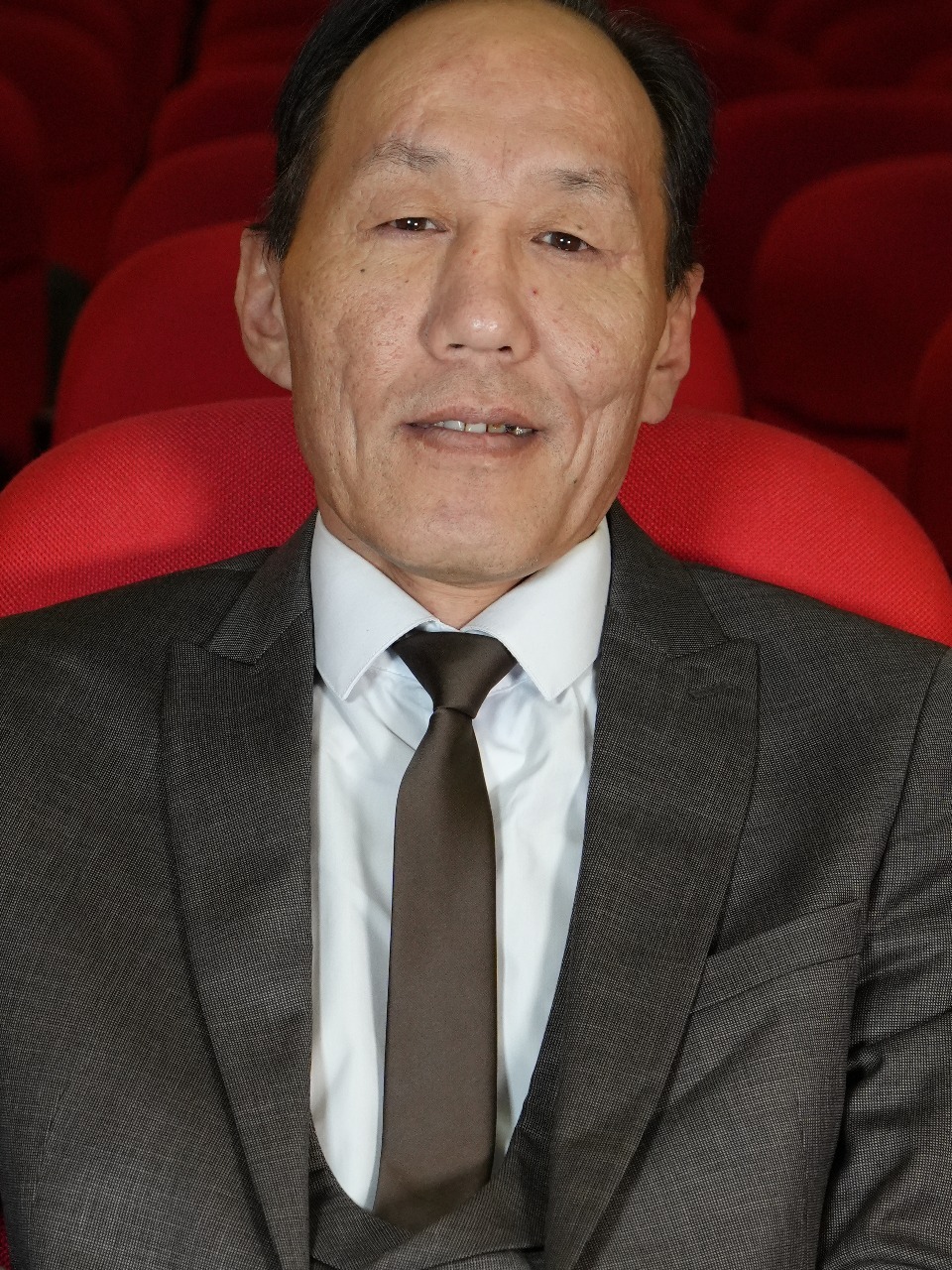
Bulat Baldandashiyev
Dance Instructor
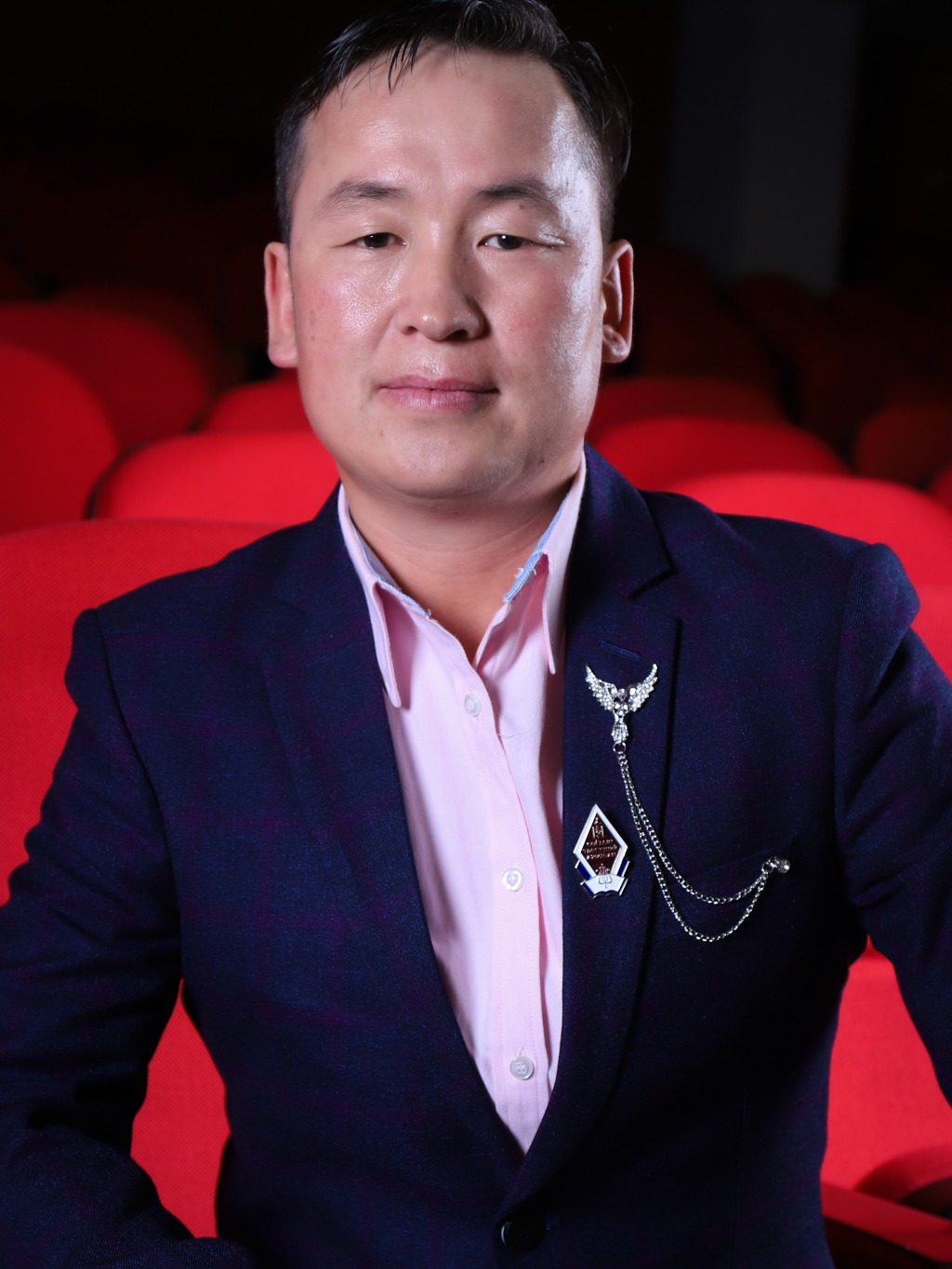
D. Munkhbat
Principal Dancer, Department Head, Merited Artist of Mongolia (MSTA)
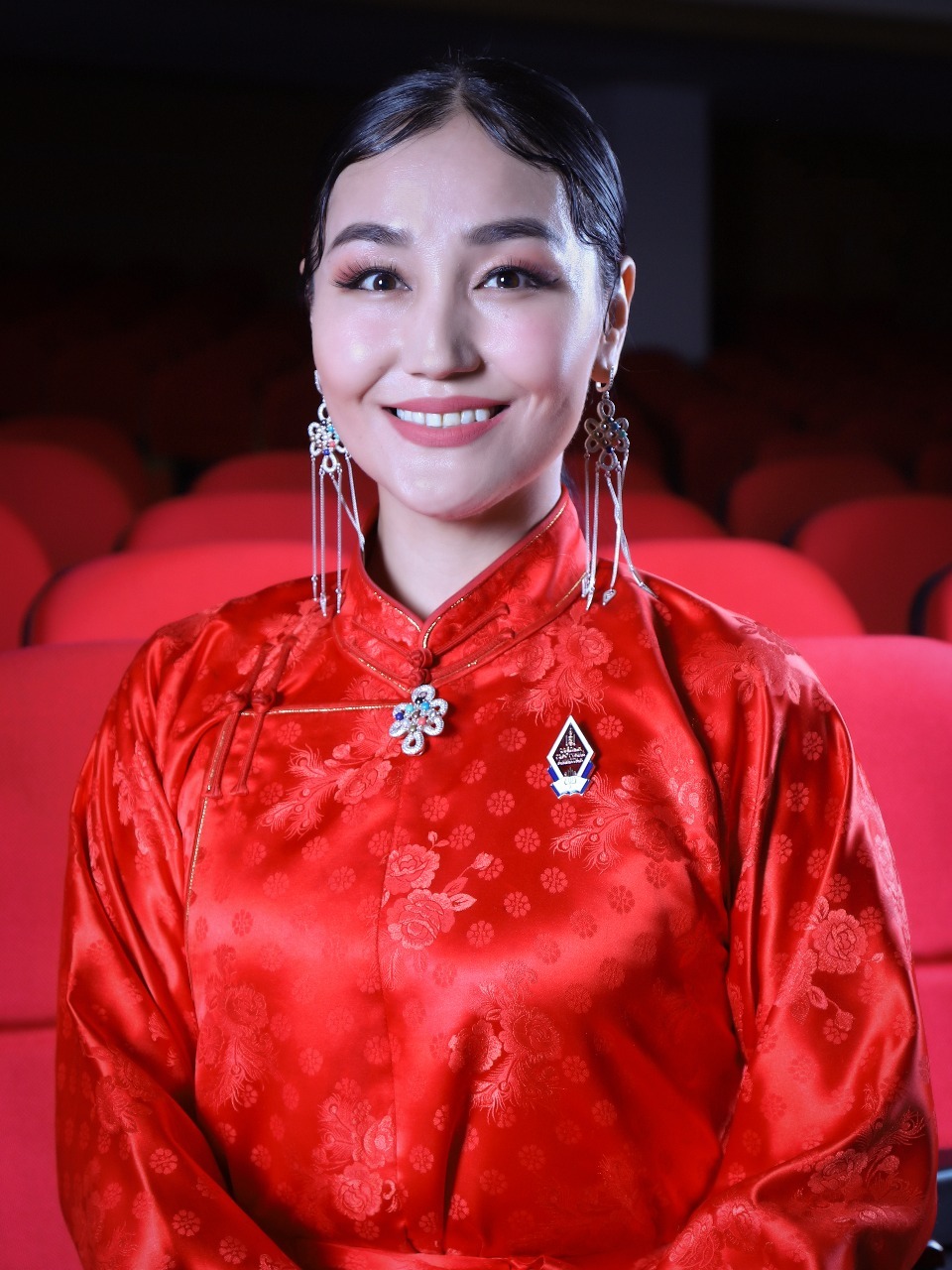
A. Narantuya
Principal Dancer, Merited Artist of Mongolia (MSTA)
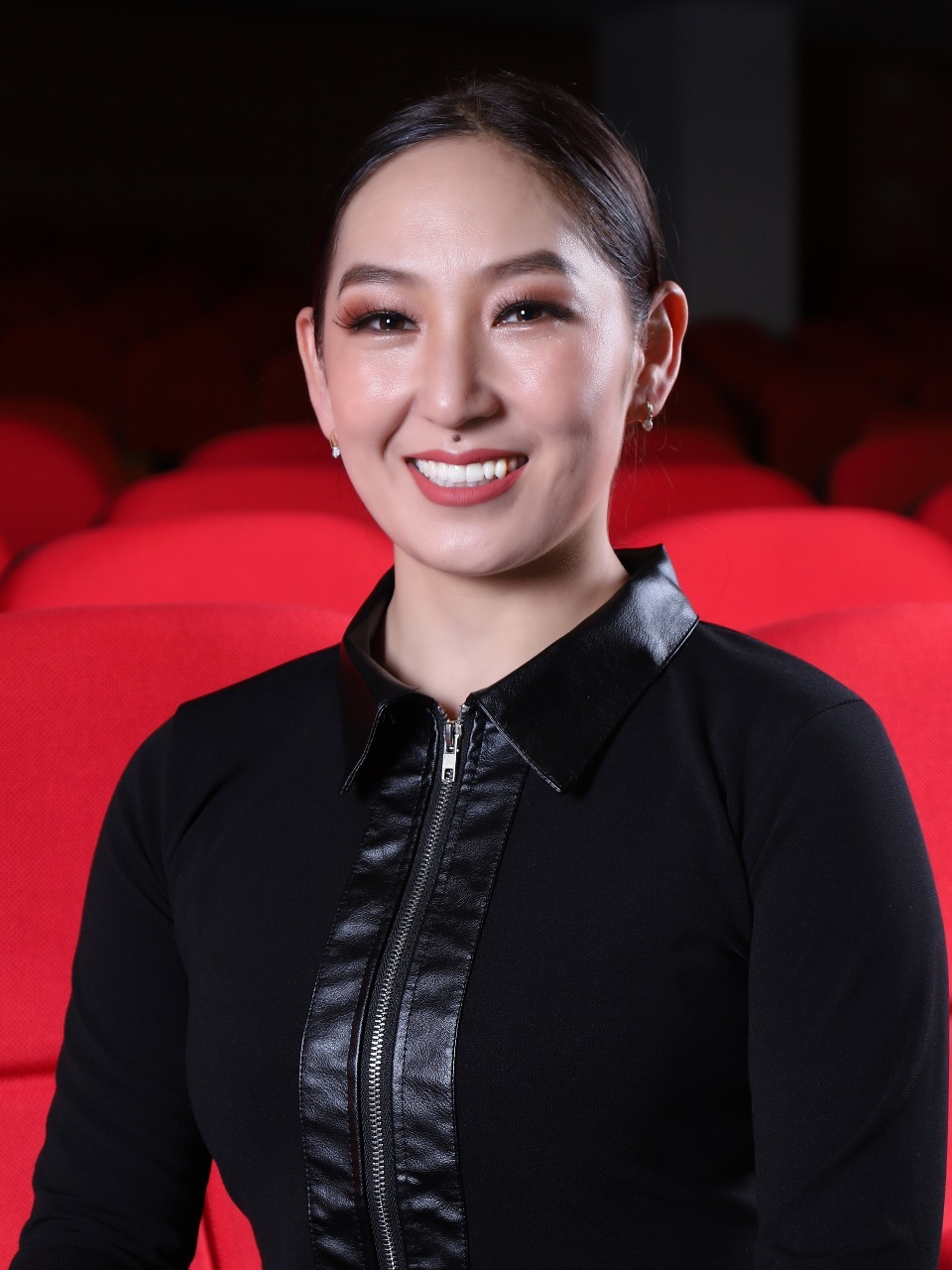
S. Enkhmaa
Principal Dancer, Merited Artist of Mongolia (MSTA)
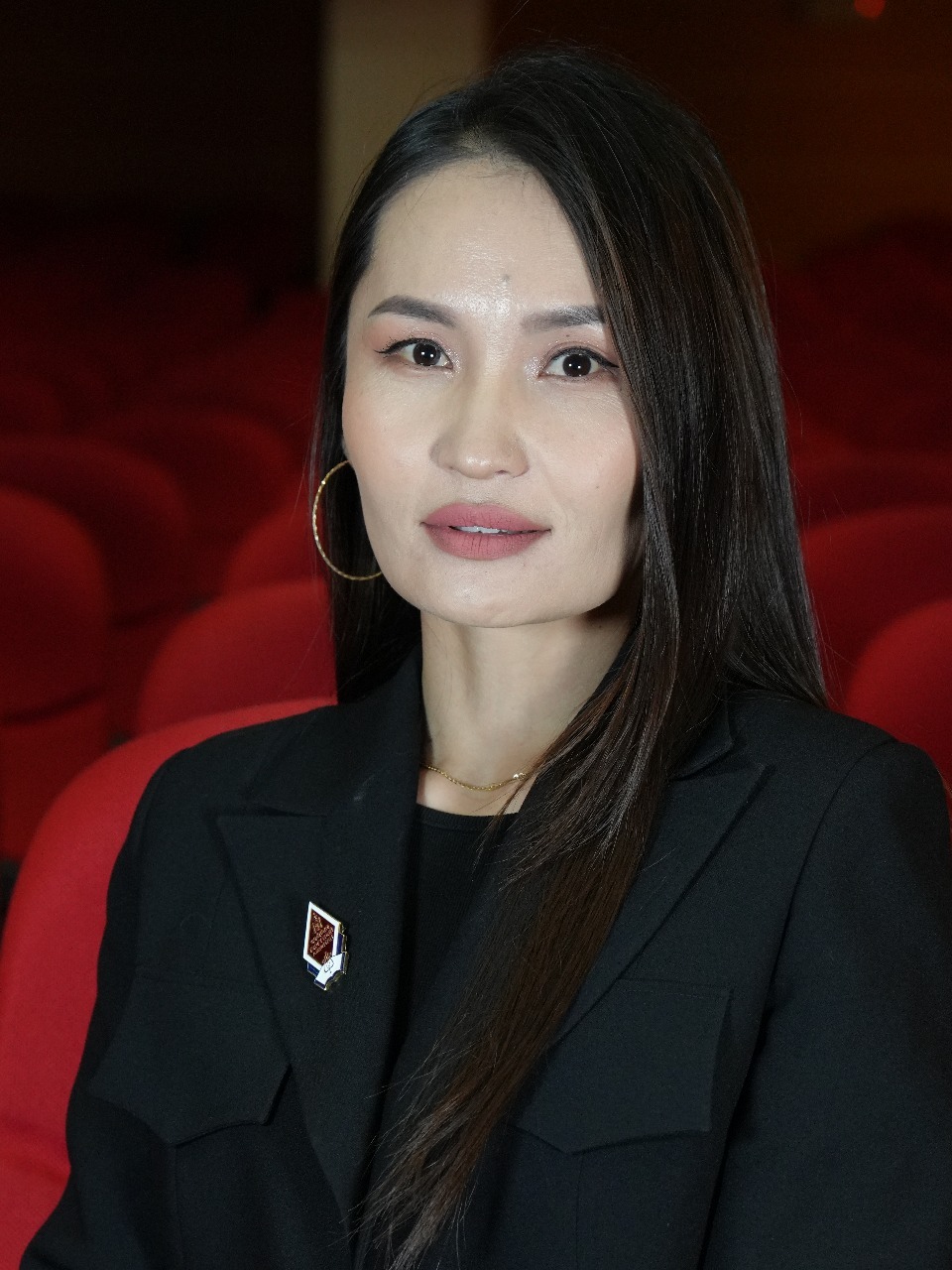
O. Üülensolongoo
Lead Dancer, Merited Artist of Mongolia (MUSTA)

B. Gereltuya
Principal Dancer, Merited Artist of Mongolia (MSTA)
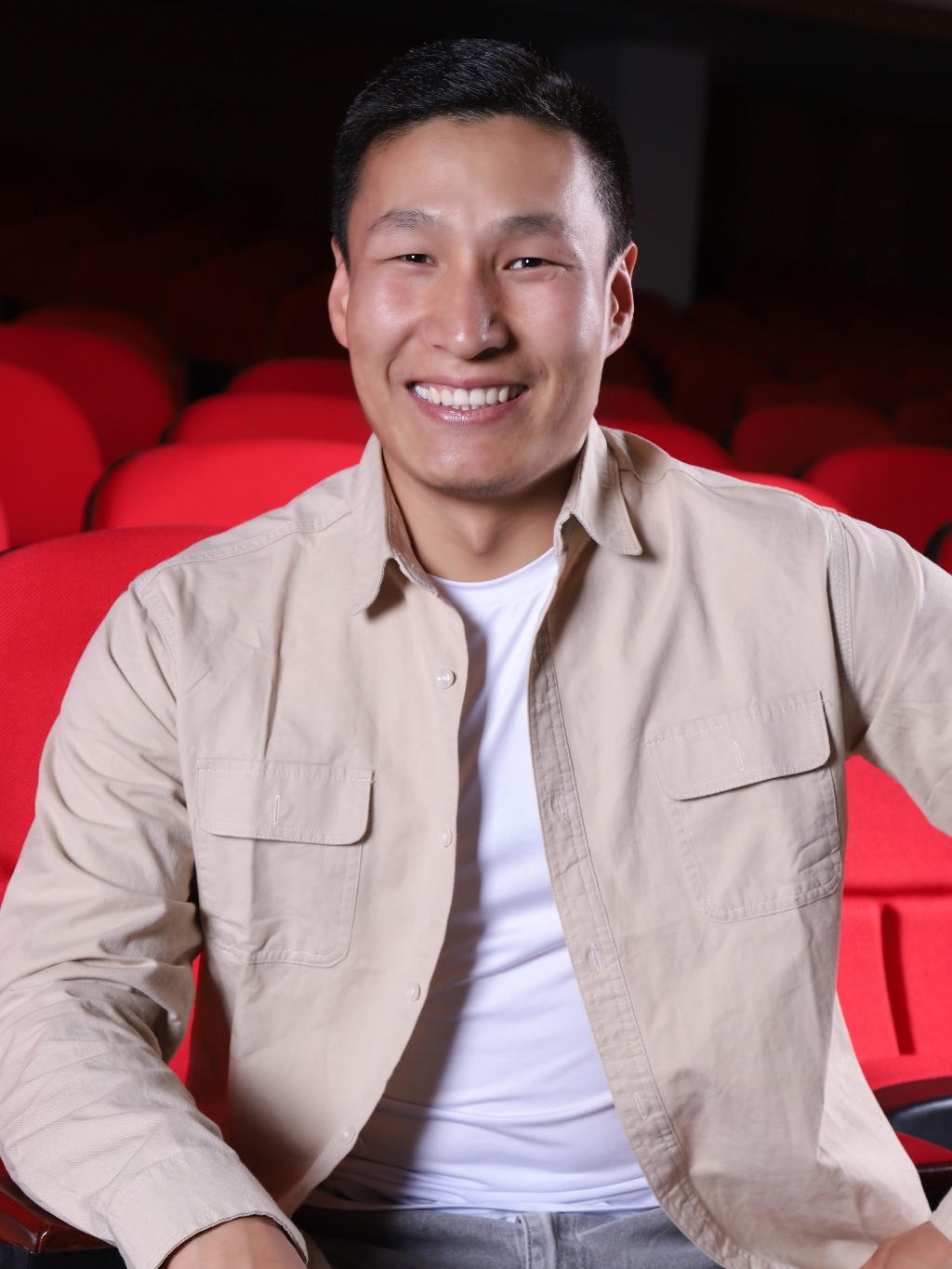
G. Gal-Erdene
Principal Dancer
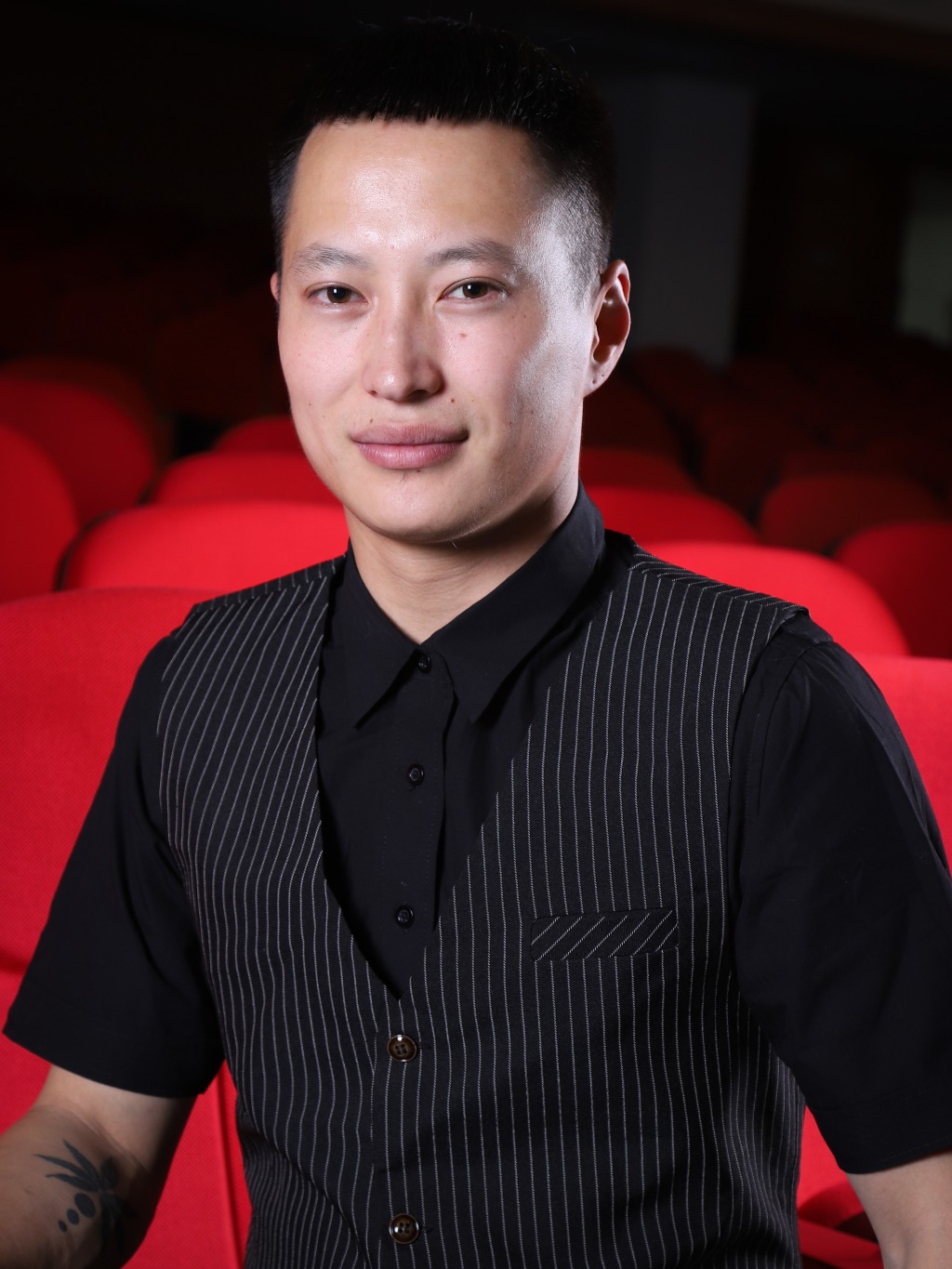
G. Zolbayar
Principal Dancer

B. Odontuya
Principal Dancer

N. Saranchimeg
Principal Dancer
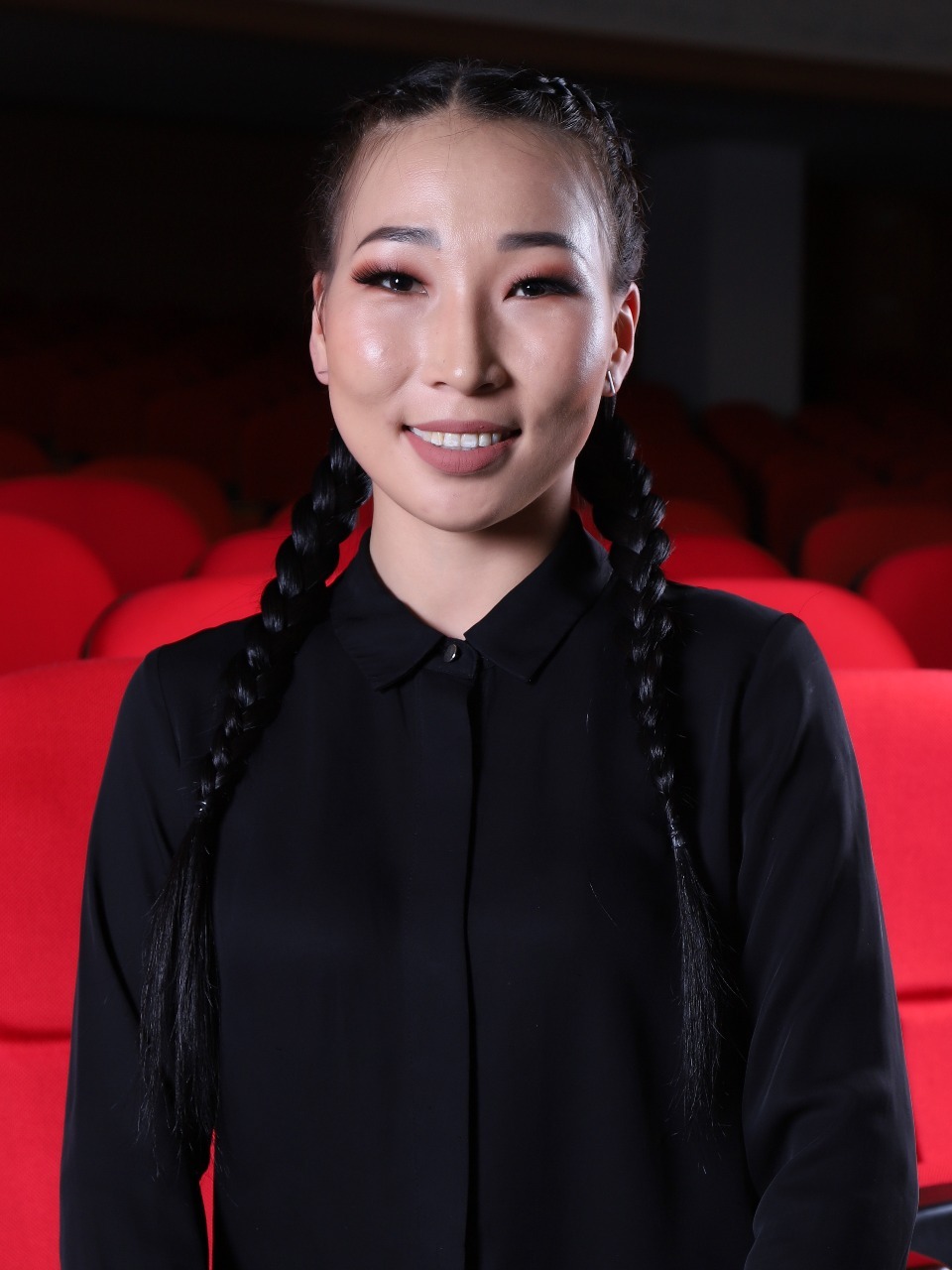
N. Arvinjargal
Dancer
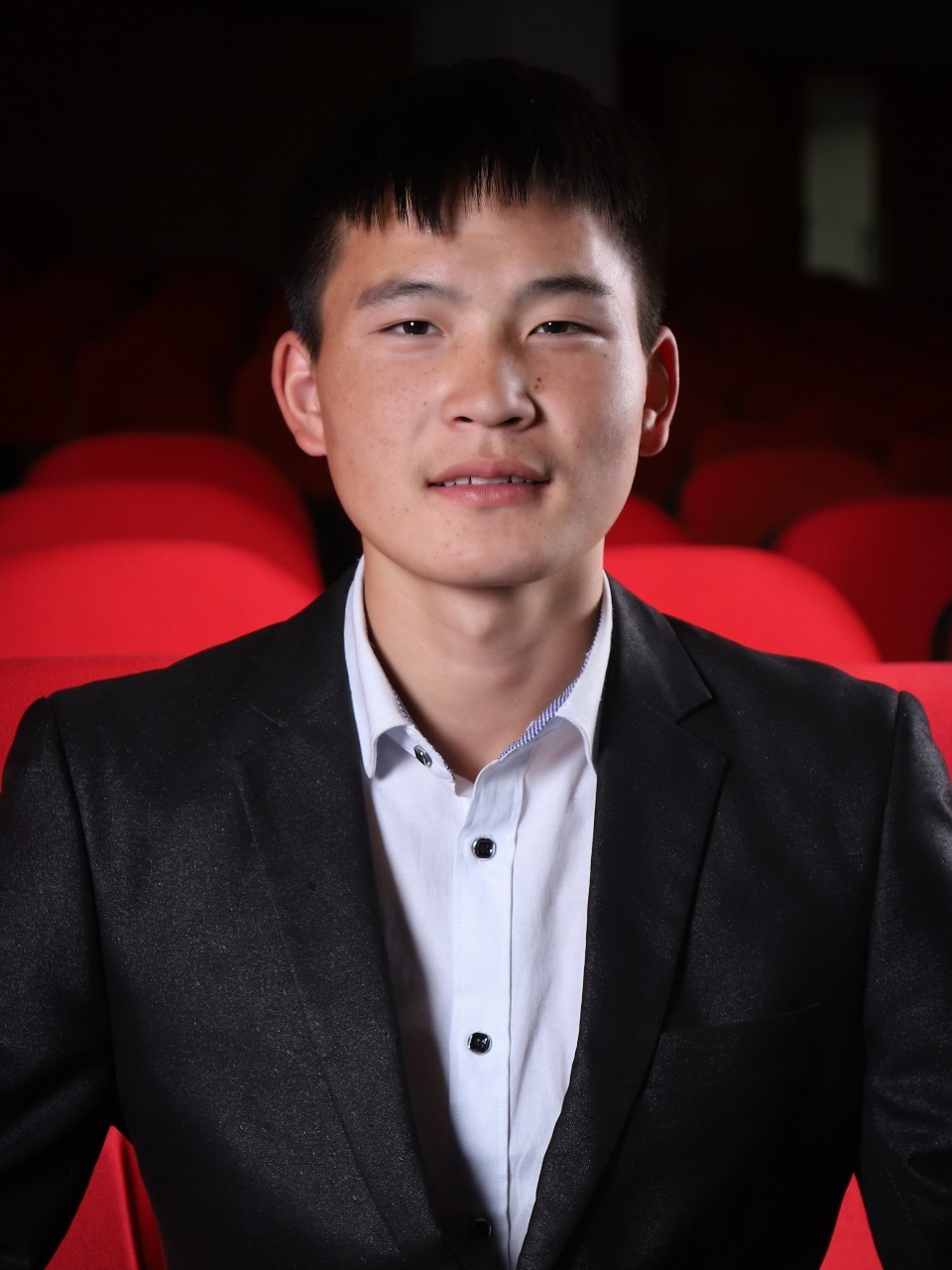
B. Tserenpuntsag
Dancer
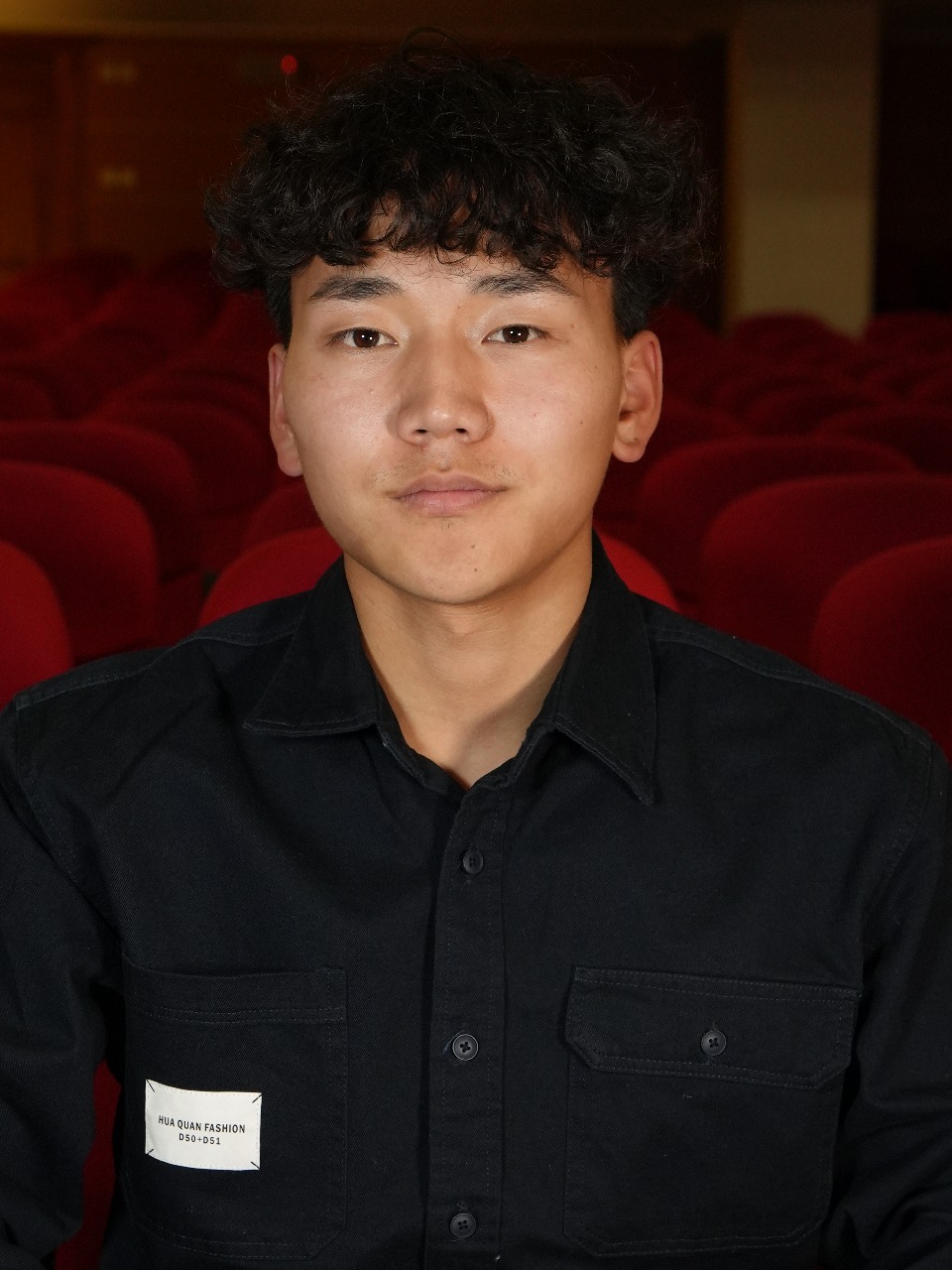
G. Önöbold
Dancer
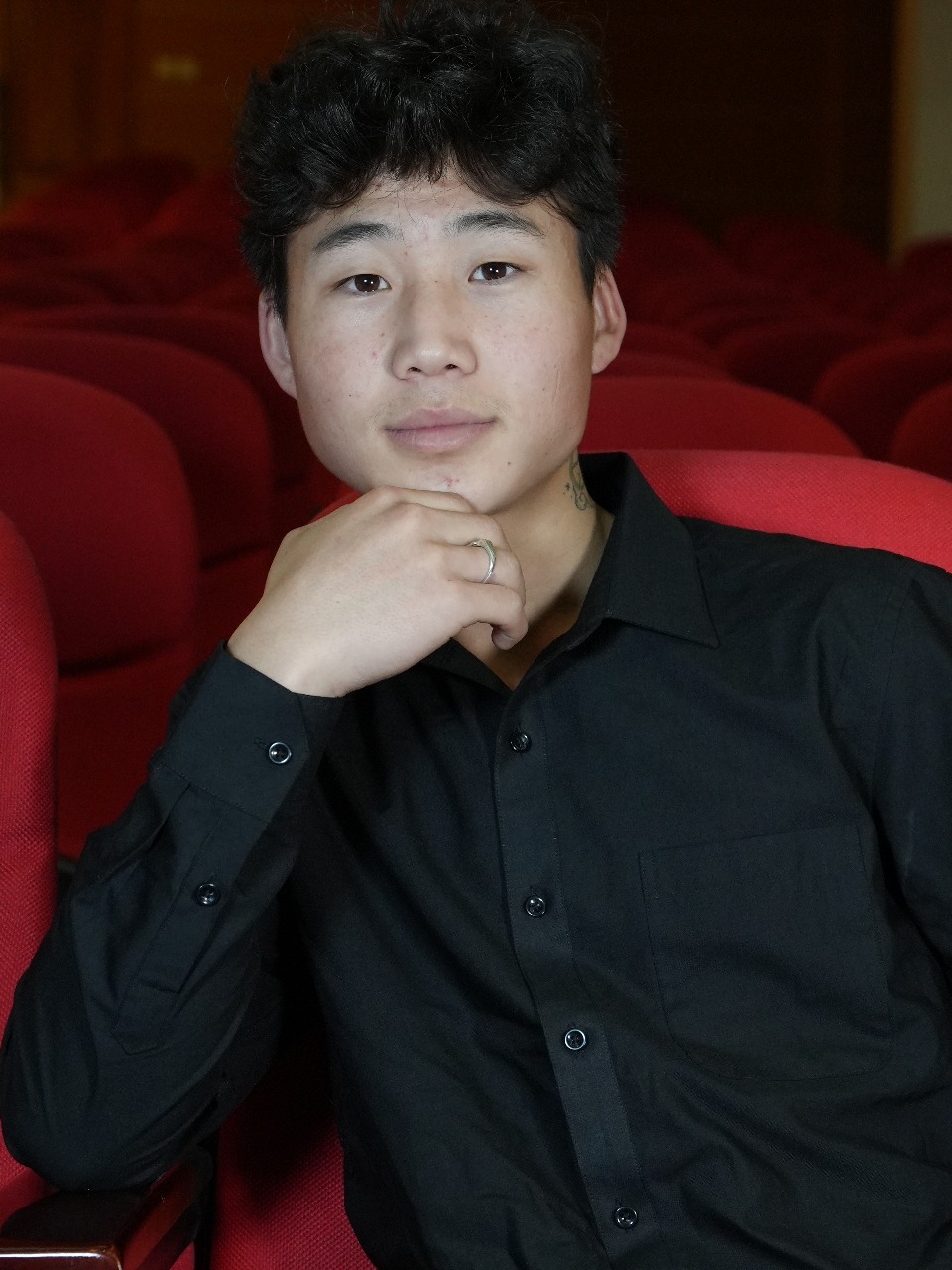
B. Garigsaihan
Dancer
Instrumental Music Division

In 1983, the Instrumental Music Division was established on the foundation of the Cultural Palace’s music section, forming a new structure for traditional folk music. The division originally consisted of two yochin (dulcimers), two shanz (three-stringed lutes), two morin khuur (horsehead fiddles), one huuchir (two-stringed fiddle), two yatga (zithers), two bishgüür (double reed instruments), two limbe (flutes), two ever büree (horns), two dund khuur (mid-sized fiddles), two tsokhiur (percussion instruments), and one ikh khuur (large fiddle), creating a fully structured national instrumental ensemble.
First Music Instructors:
-
Demberel
-
D. Gombo
First Conductor:
-
G. Shagdarjav
First Generation of Musicians:
-
L. Lkhagvasuren, G. Sukhee, Tseveendolgor, S. Khurelbaatar, S. Narmandakh, M. Buyandelger, B. Davaadorj, D. Shirmnbaatar, D. Darkhanbaatar, Ts. Dugar, G. Batbold, G. Bat-Ochir, L. Töögöö, Uranchimig, Gantsestseg, Chuluunzorig
These musicians laid the foundation for the Khan Khentii Ensemble’s traditional folk music section.
Music Teachers Over the Years:
-
D. Gombo (1983-1990)
-
S. Gursoronzon (1990-1992)
-
Buyan-Orshikh (1993-1994)
-
Ts. Dugar (1998 - Present)
Conductors Over the Years:
-
G. Shagdarjav (1983-1985)
-
B. Avirmed (1986-1997)
-
B. Ganbold (1997-2003)
Mid-Generation Musicians:
-
G. Altmaa, B. Ganbold, A. Batzaya, Badamkhand, Davaadorj, Mart, S. Oyuuntuya, E. Arslan, G. Oyun-Od, G. Bolormaa, Tsogbayar, Uranchimig, D. Bolorbat, Olontumen, E. Adiyaasuren, Davaasuren, B. Batzaya

Ts. Dugar
Composer, Instructor, Order of the Polar Star, Order of the Red Banner of Labor, Merited Artist of Mongolia (MSTA)
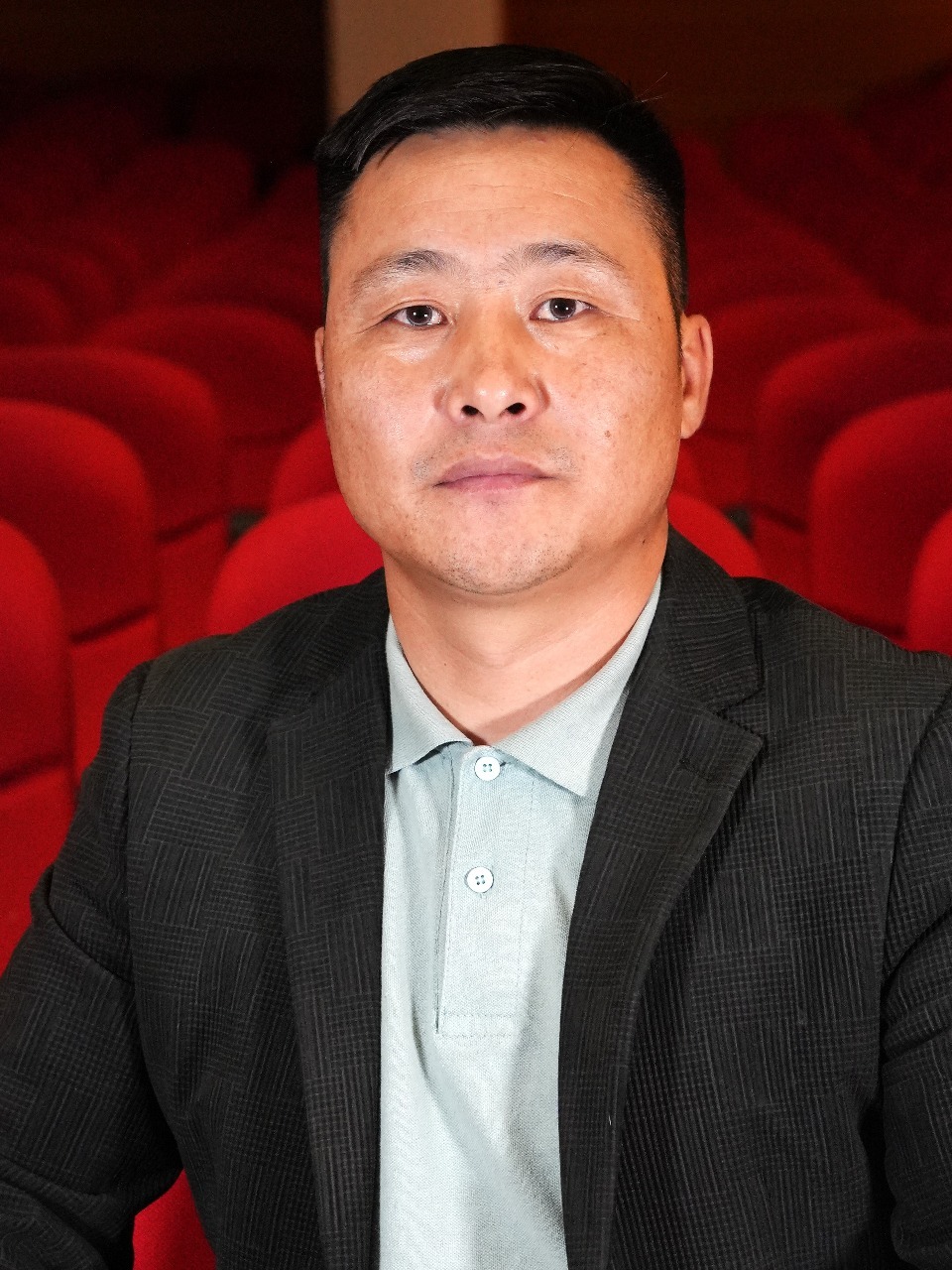
L. Enkhnaran
Principal Instrumentalist, Department Head, Merited Artist of Mongolia (MSTA)

T. Munkhtor
Principal Instrumentalist, Merited Artist of Mongolia (MSTA)
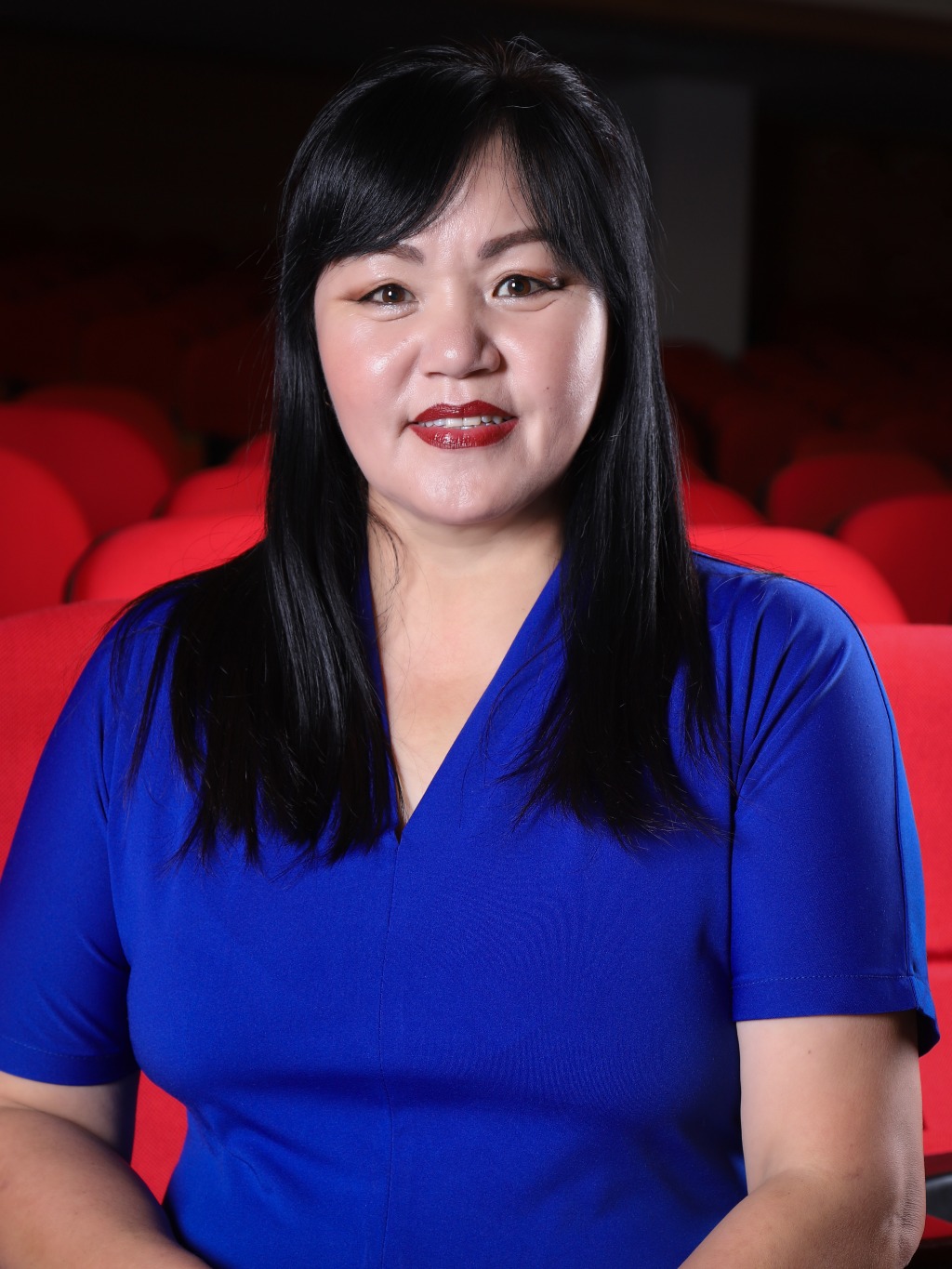
G. Oyun-Od
Principal Instrumentalist, Merited Artist of Mongolia (MSTA)
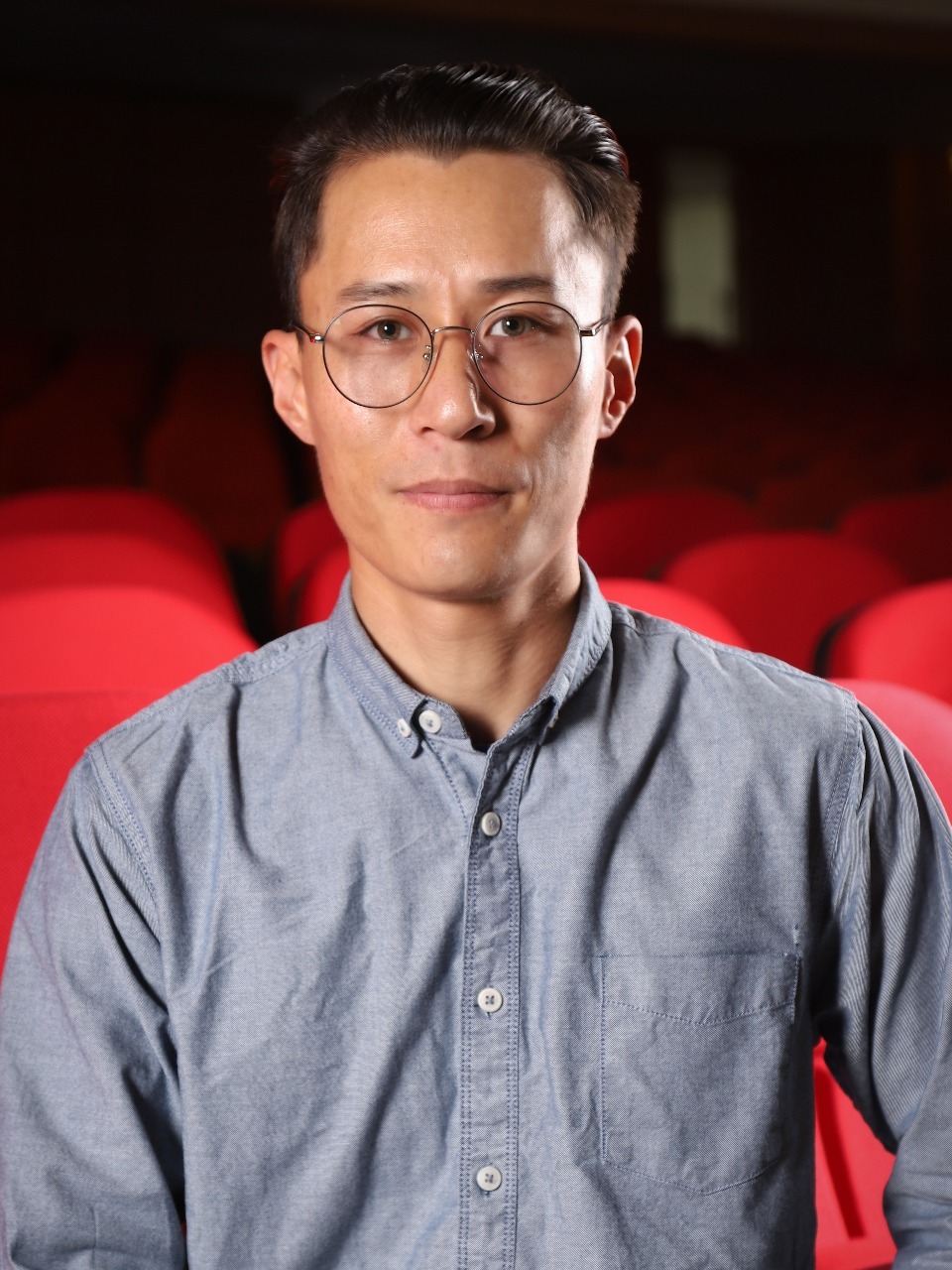
Ts. Galmandakh
Principal Instrumentalist, Merited Artist of Mongolia (MSTA)

A. Batzaya
Principal Instrumentalist, Merited Artist of Mongolia (MSTA)
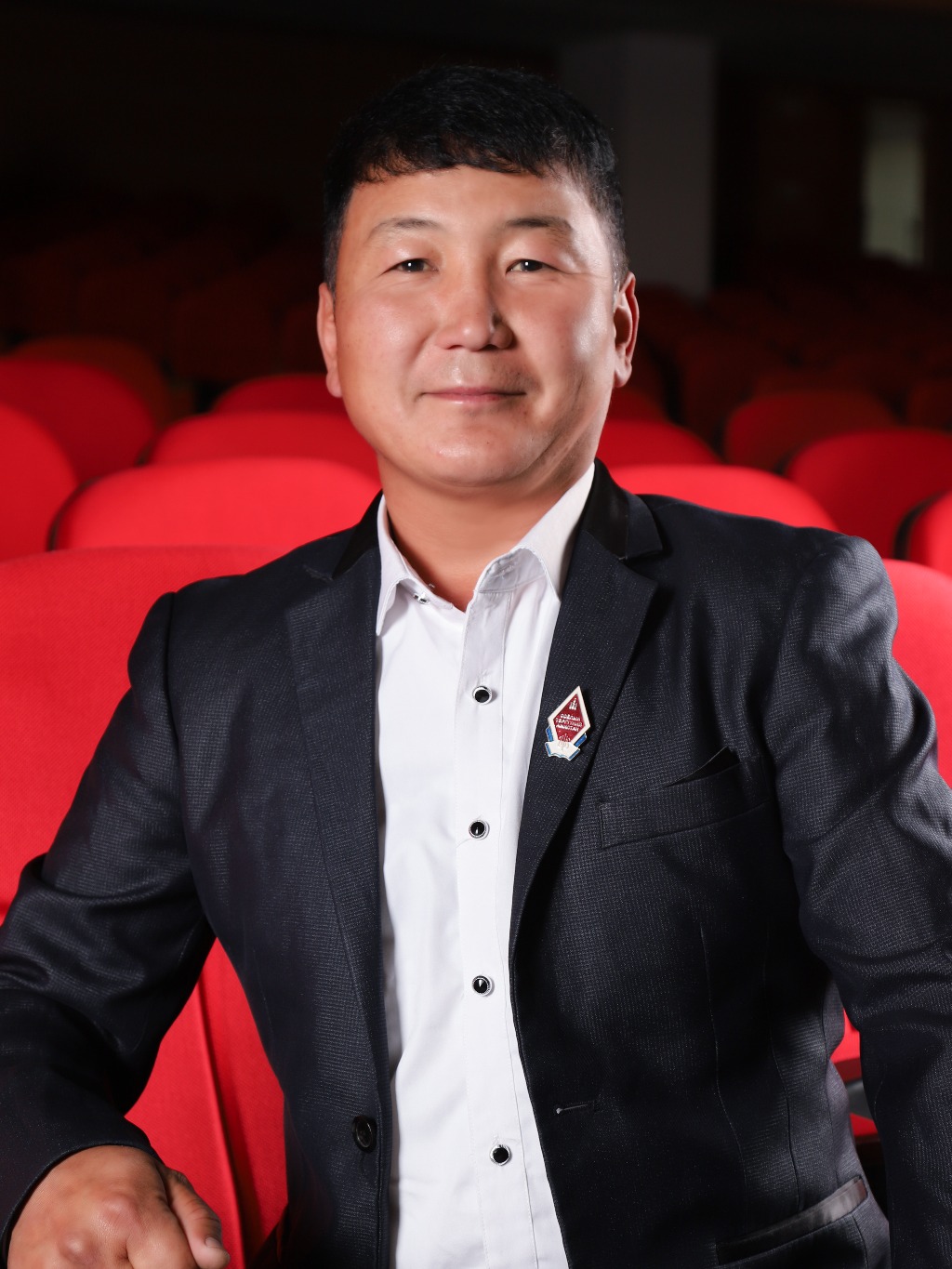
D. Odgerel
Principal Instrumentalist, Merited Artist of Mongolia (MSTA)

G. Altansuvd
Principal Instrumentalist, Merited Artist of Mongolia (MSTA)
Ö. Myagmarjargal
Lead Instrumentalist
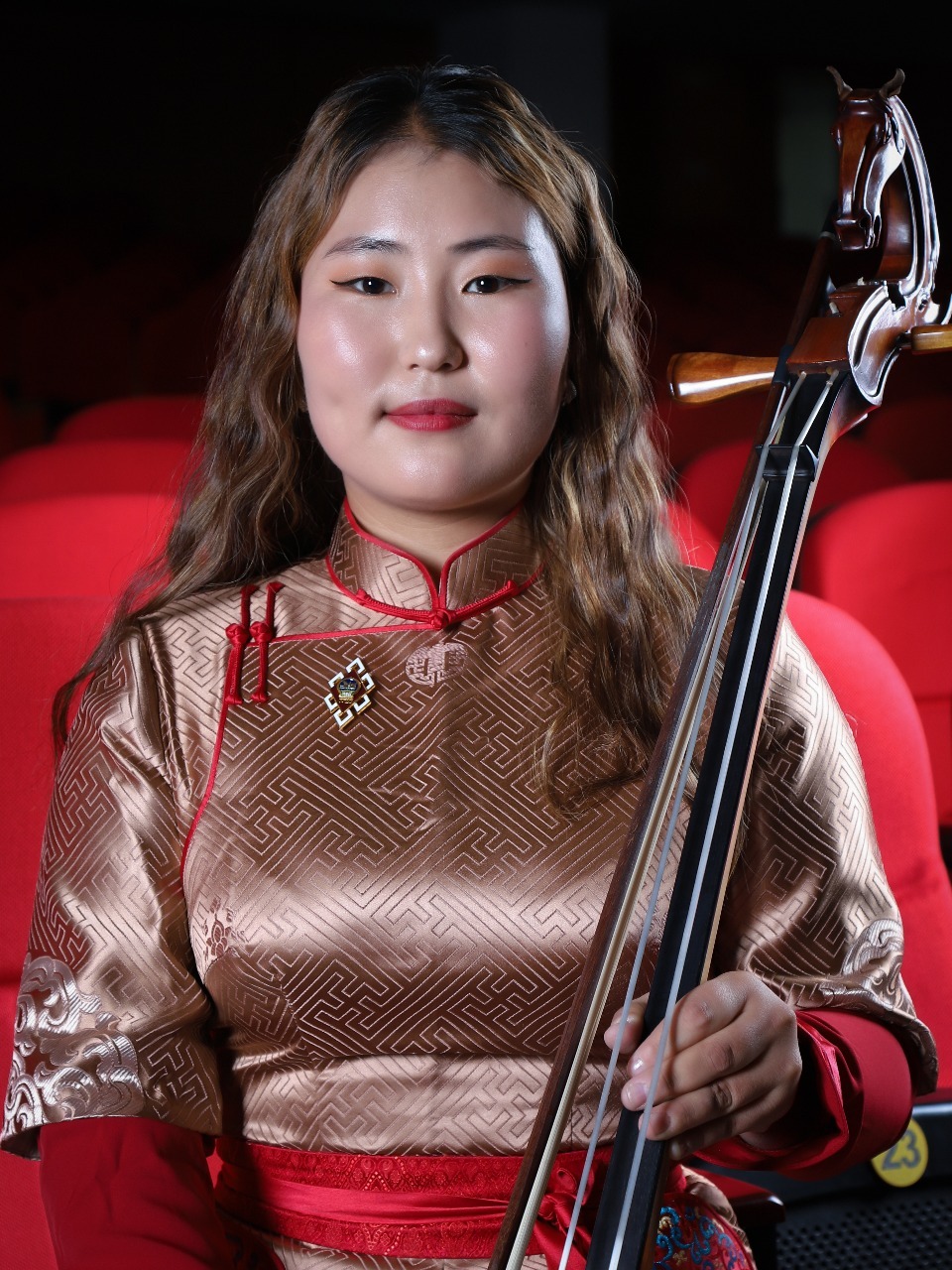
B. Munkhsuvd
Principal Instrumentalist
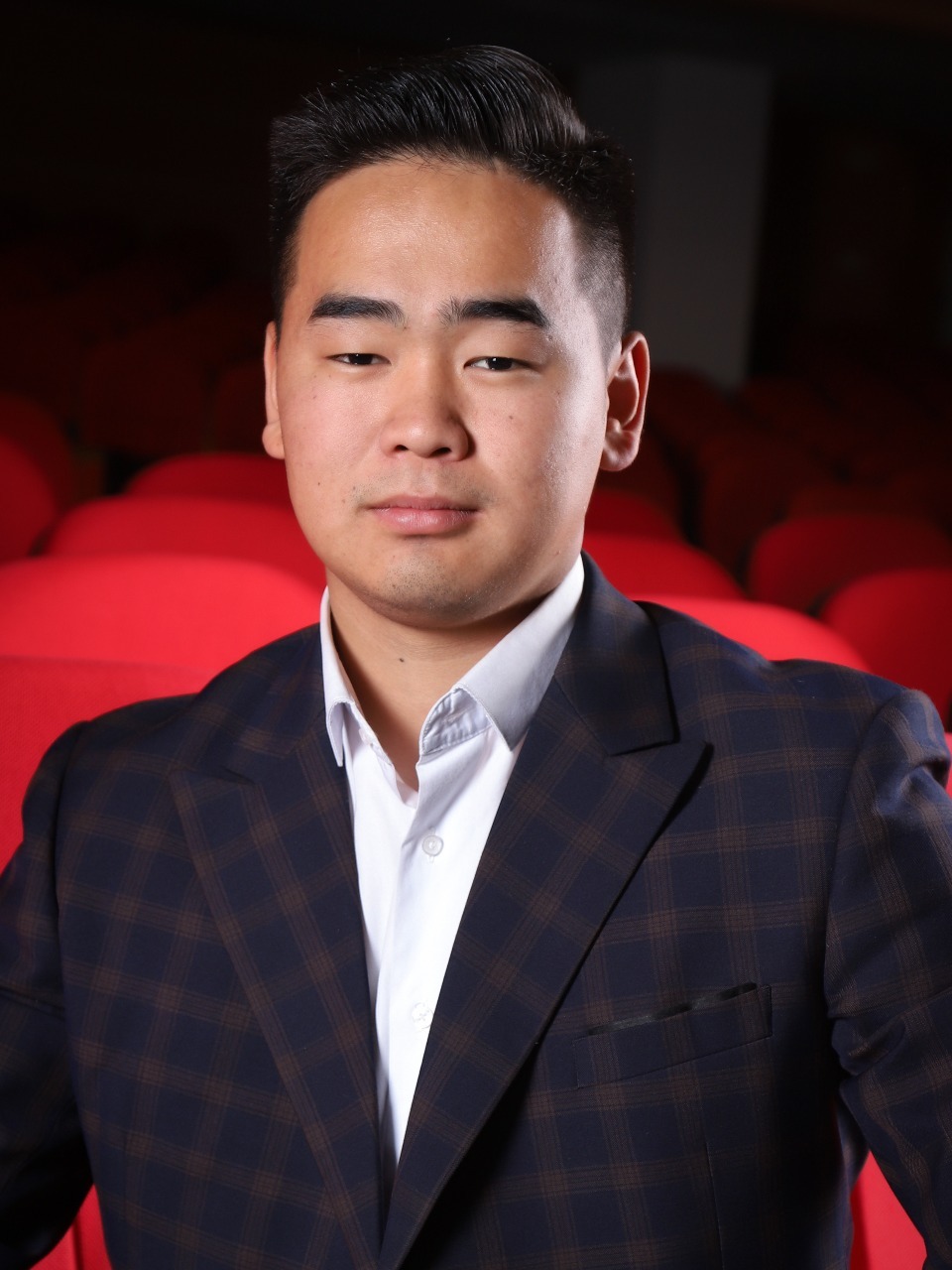
B. Munkhtulga
Principal Instrumentalist
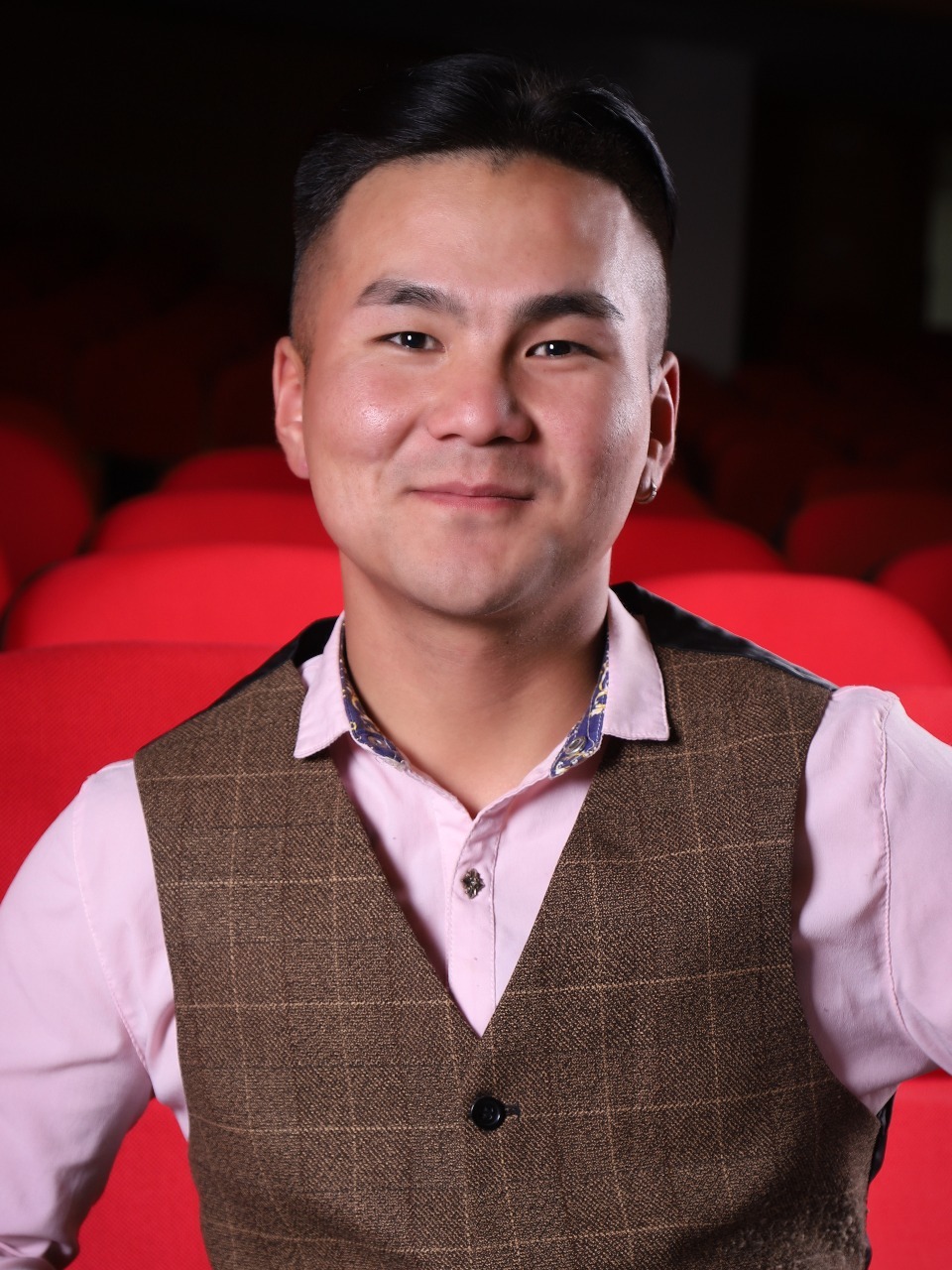
M. Davaadorj
Principal Instrumentalist
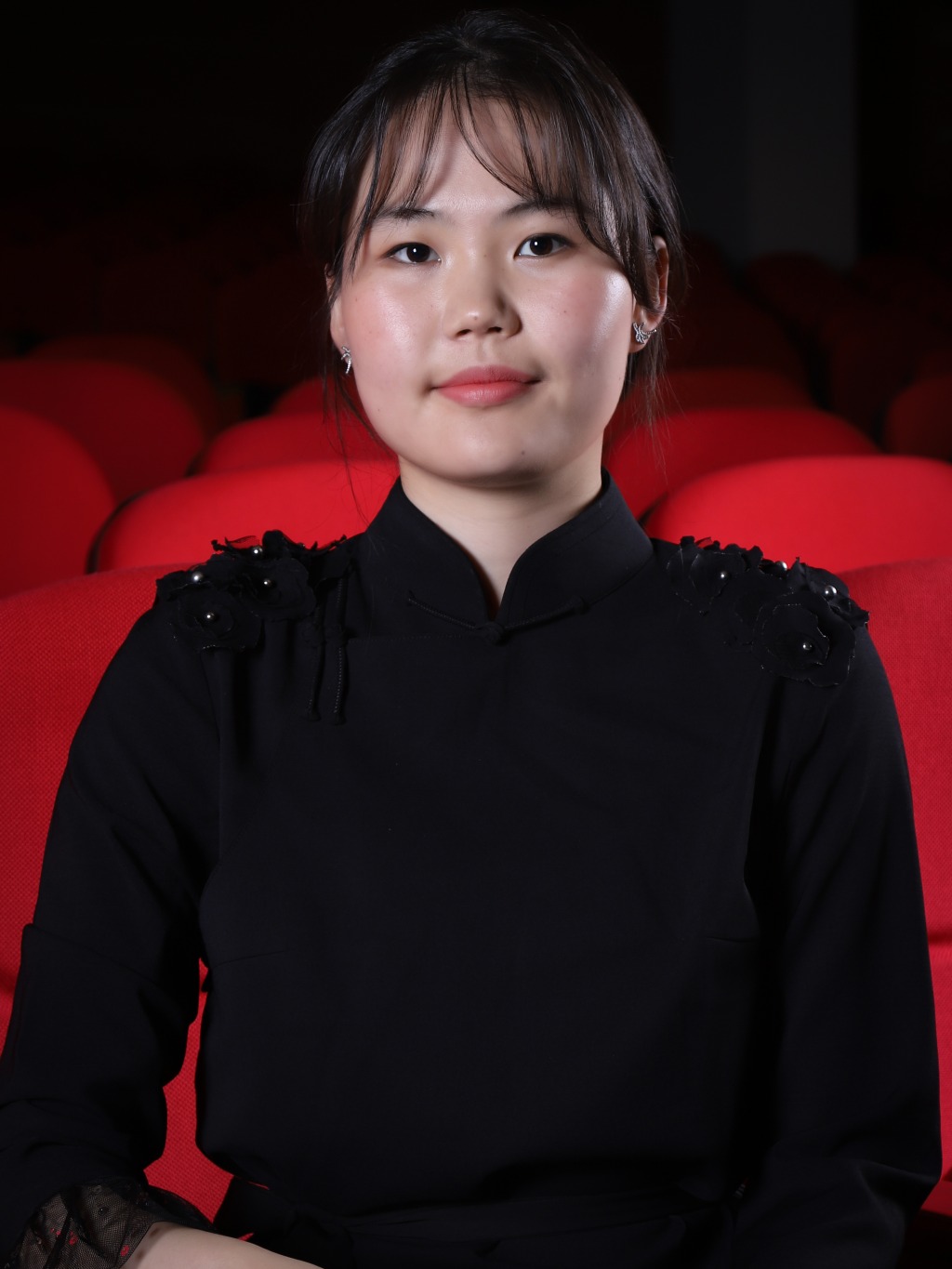
B. Bindermaa
Principal Instrumentalist

M. Ijiljargal
Musician
A. Azjargal
Musician
Drama Division

A. Janchiv
Drama Teacher, Department Head

G. Khaliun
Drama Actor
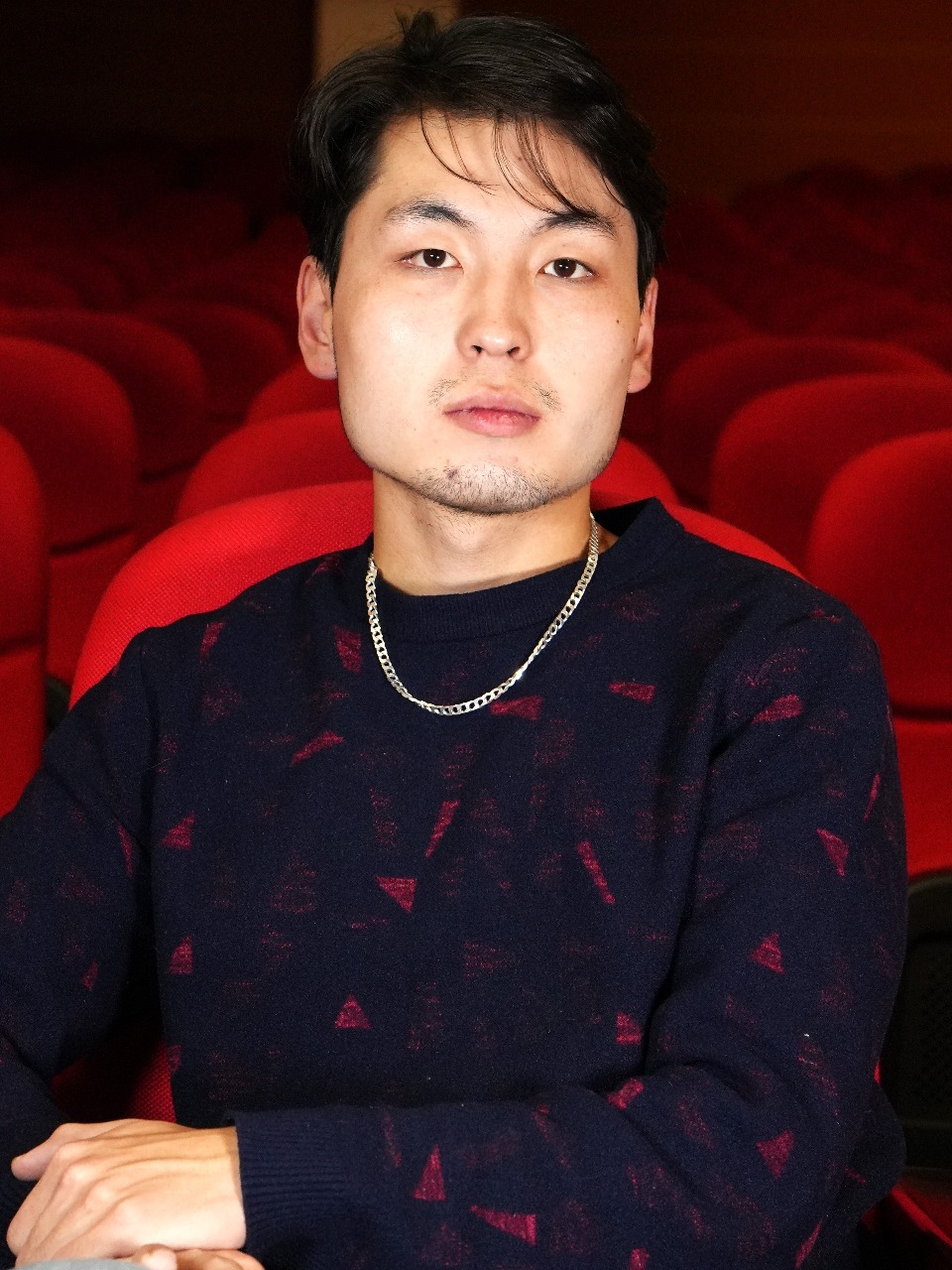
B. Sükhbold
Drama Actor
Circus Division

N. Tamir
Circus Instructor, Department Head, Merited Artist of Mongolia (MUSTA)
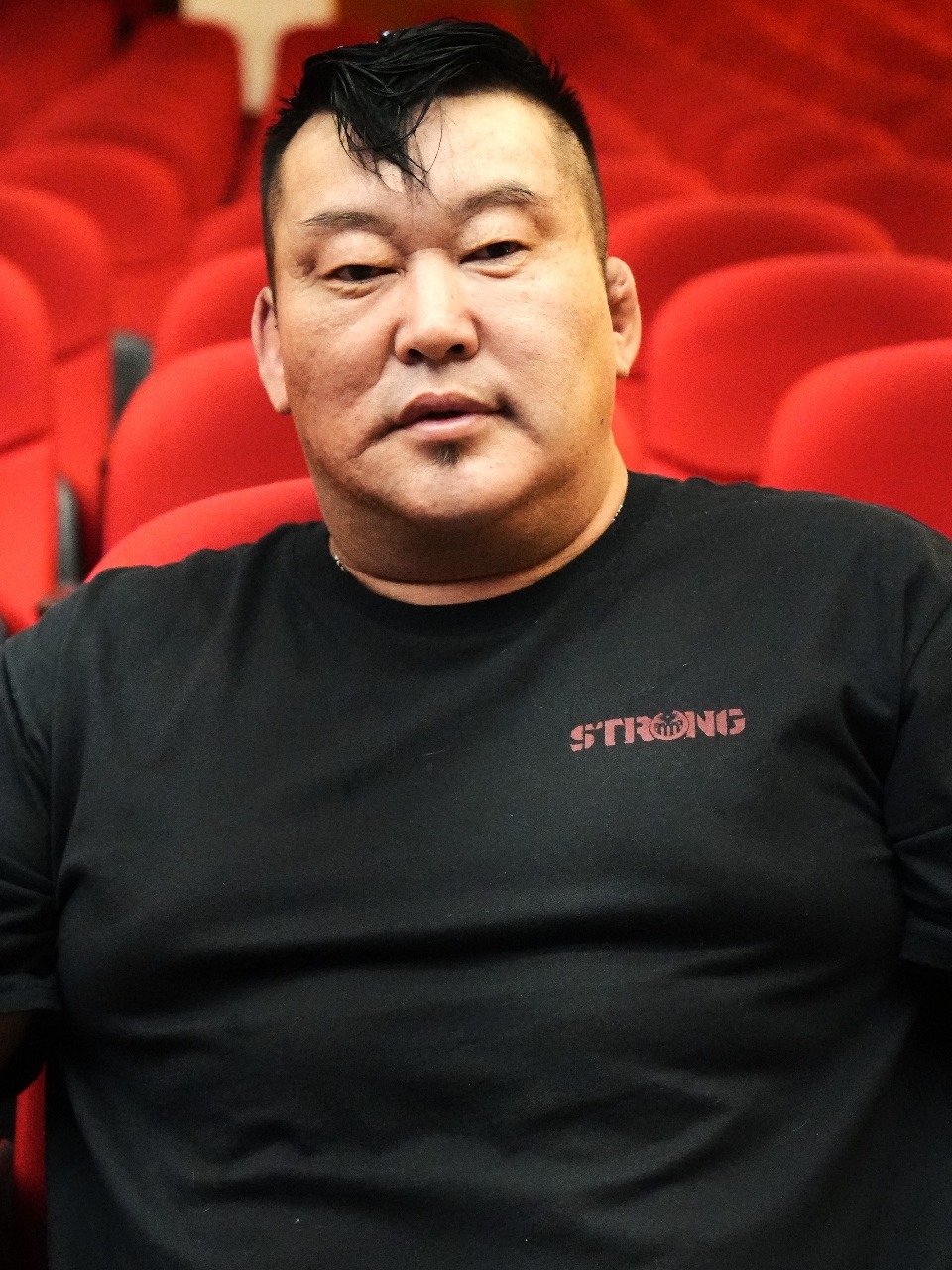
D. Mönkhbat
Circus Performer, Merited Artist of Mongolia (MUSTA)

E. Urangerel
Circus Performer, Merited Artist of Mongolia (MUSTA)
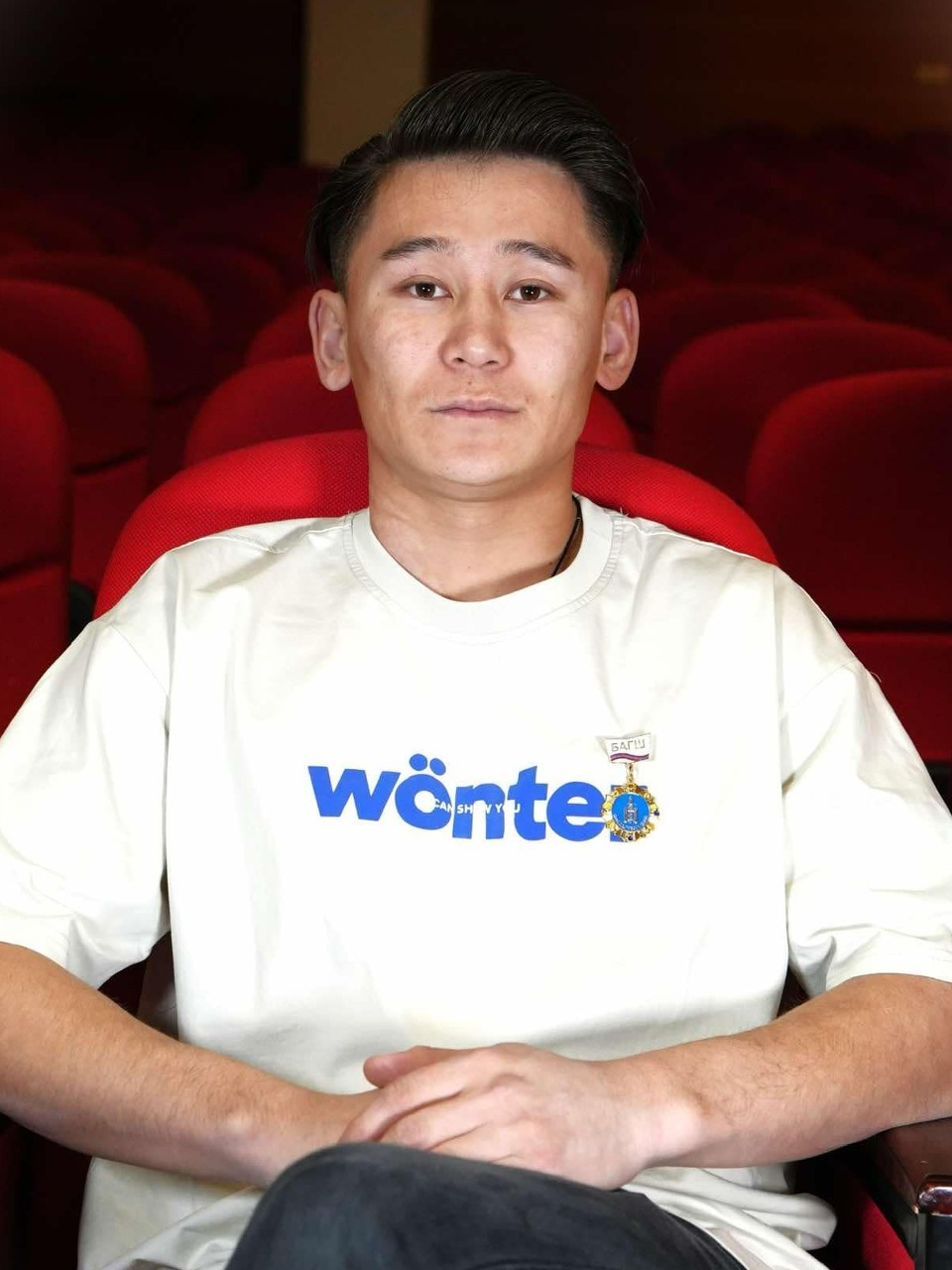
B. Erdenemörön
Circus Performer
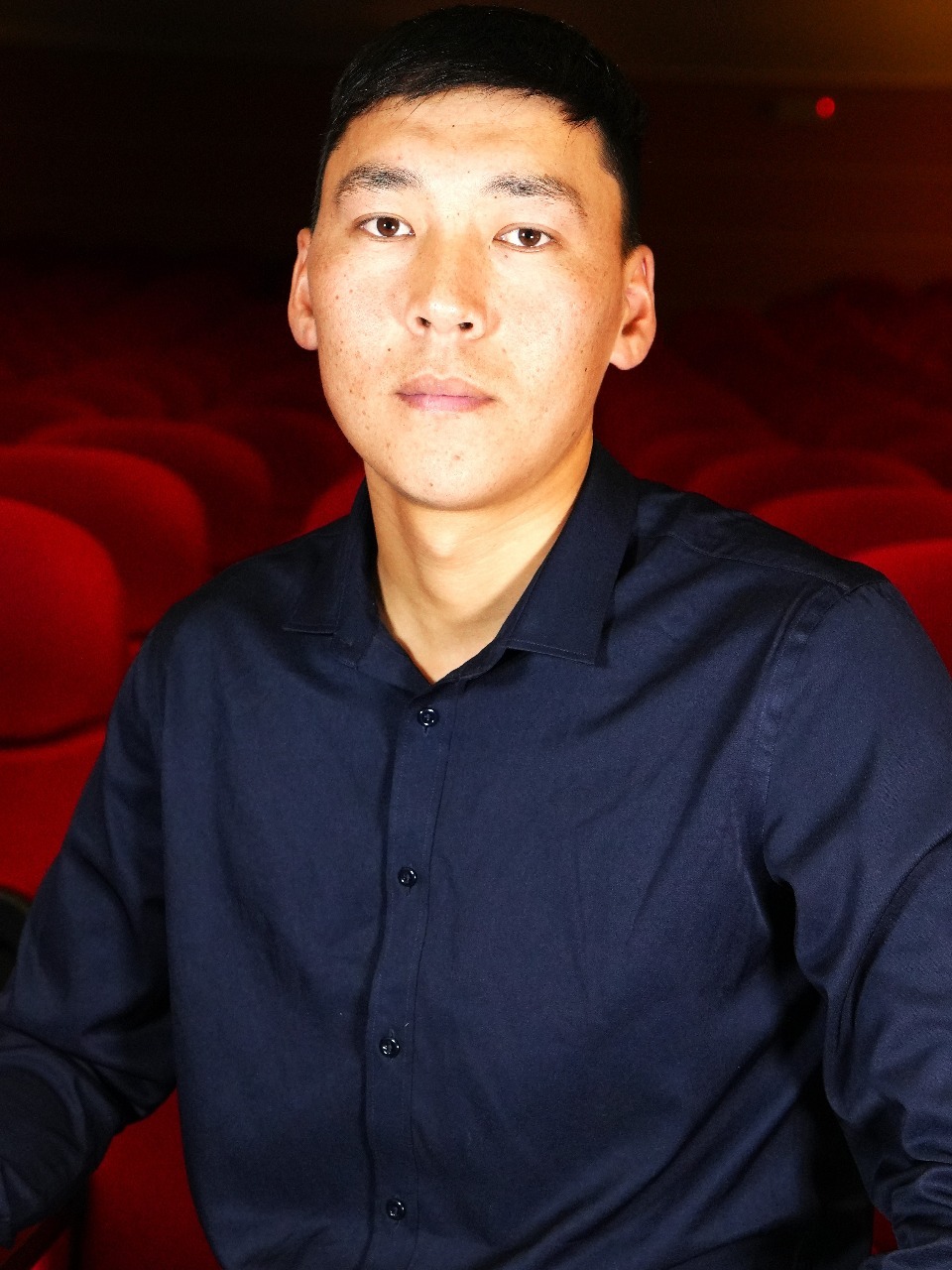
B. Otgonbaatar
Circus Performer
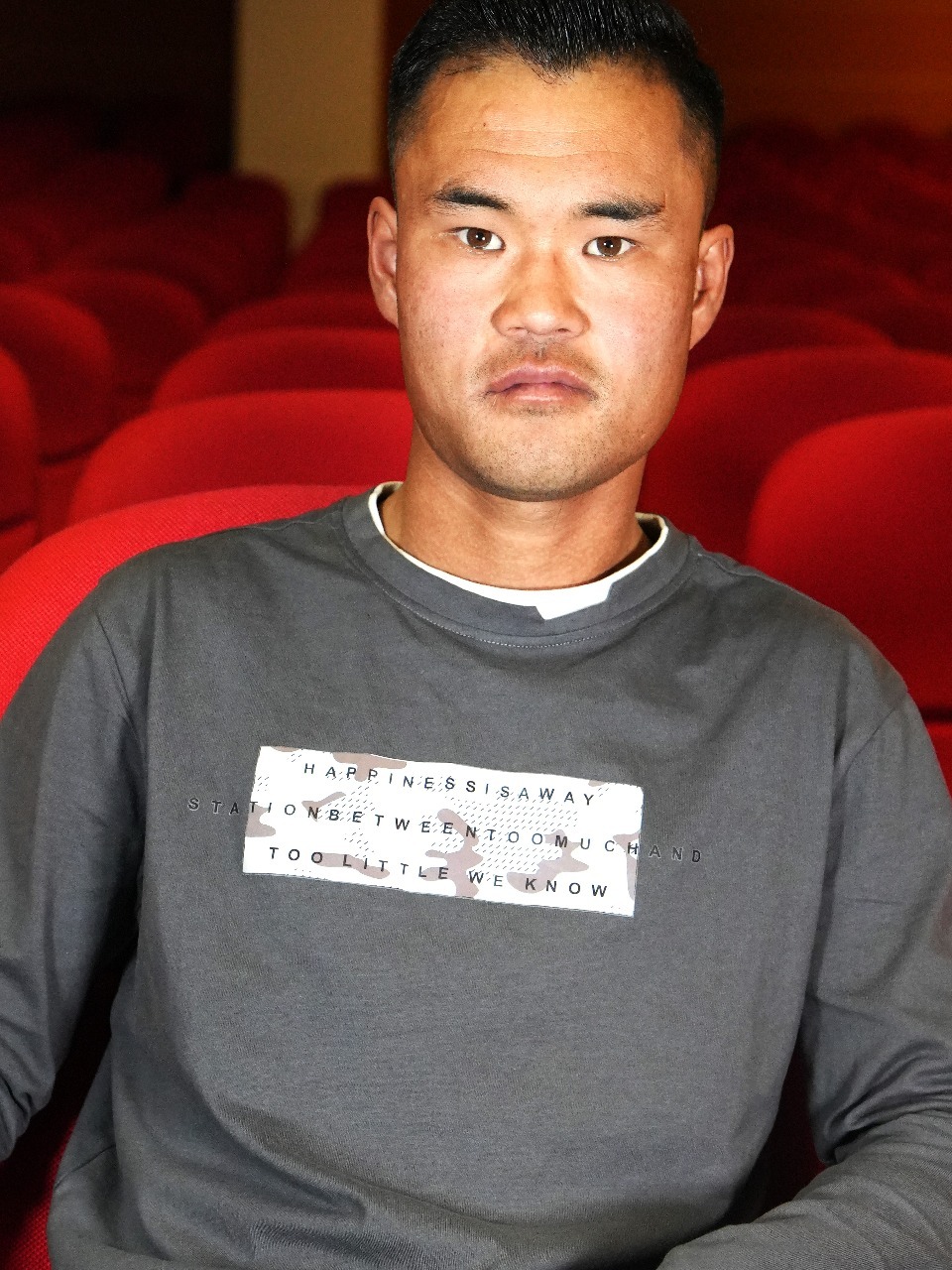
D. Orgilbaatar
Circus Performer
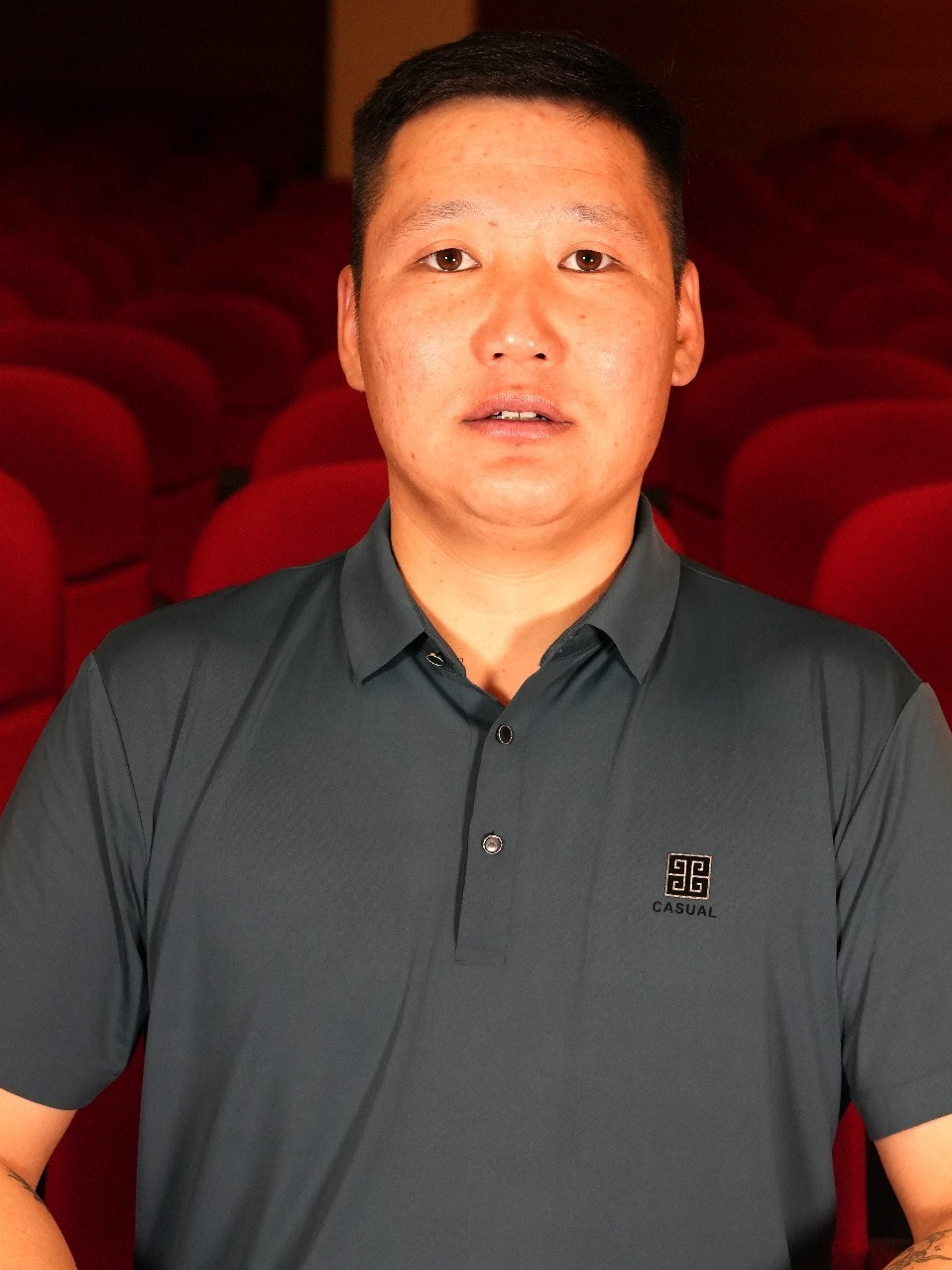
O. Galmandakh
Circus Performer
Production, Technician Division
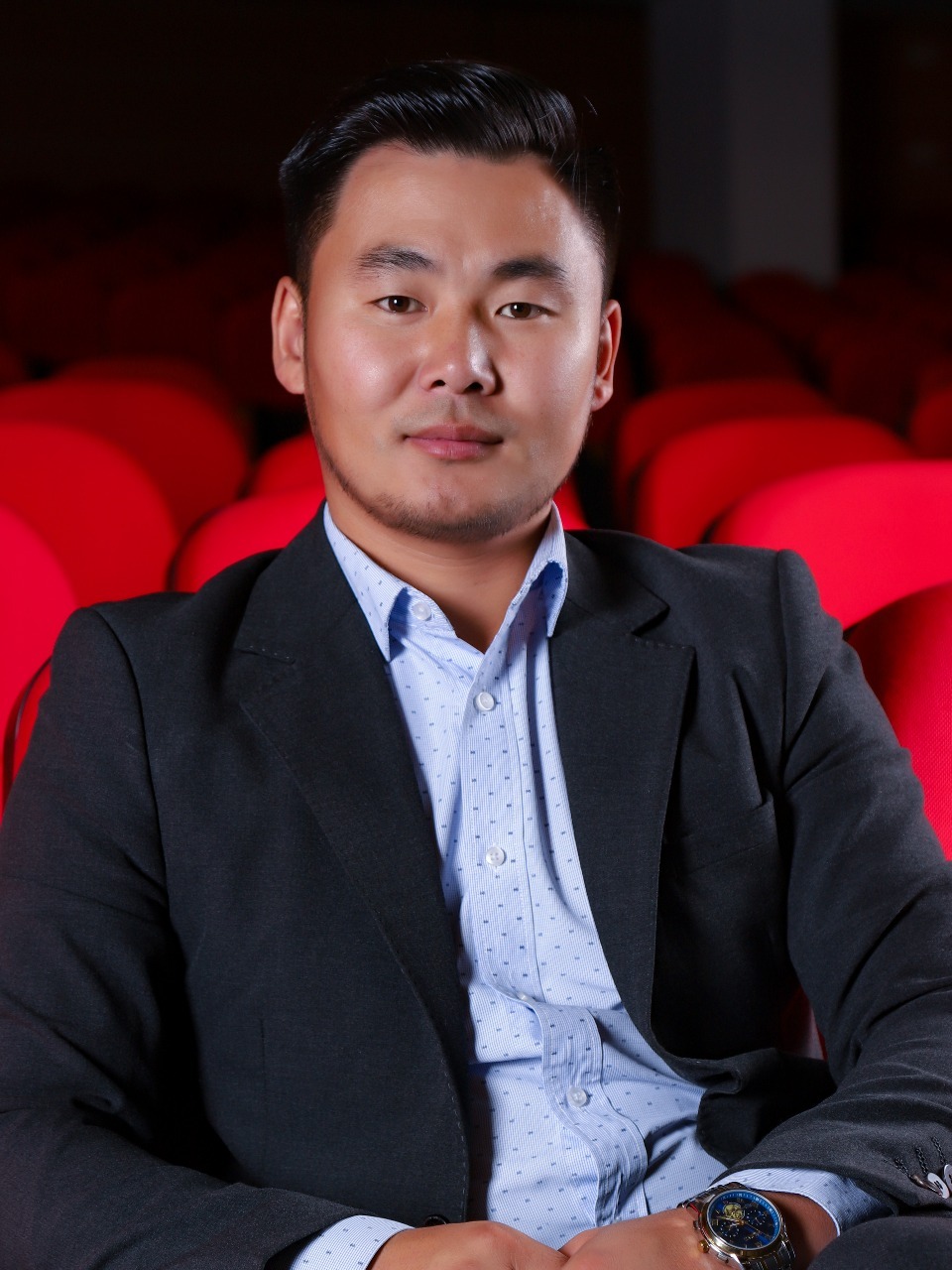
B. Munkhjavkhlan
Assistant Director

Ts. Sunjidmaa
Costume Manager, Custodian, Merited Artist of Mongolia (MSTA)
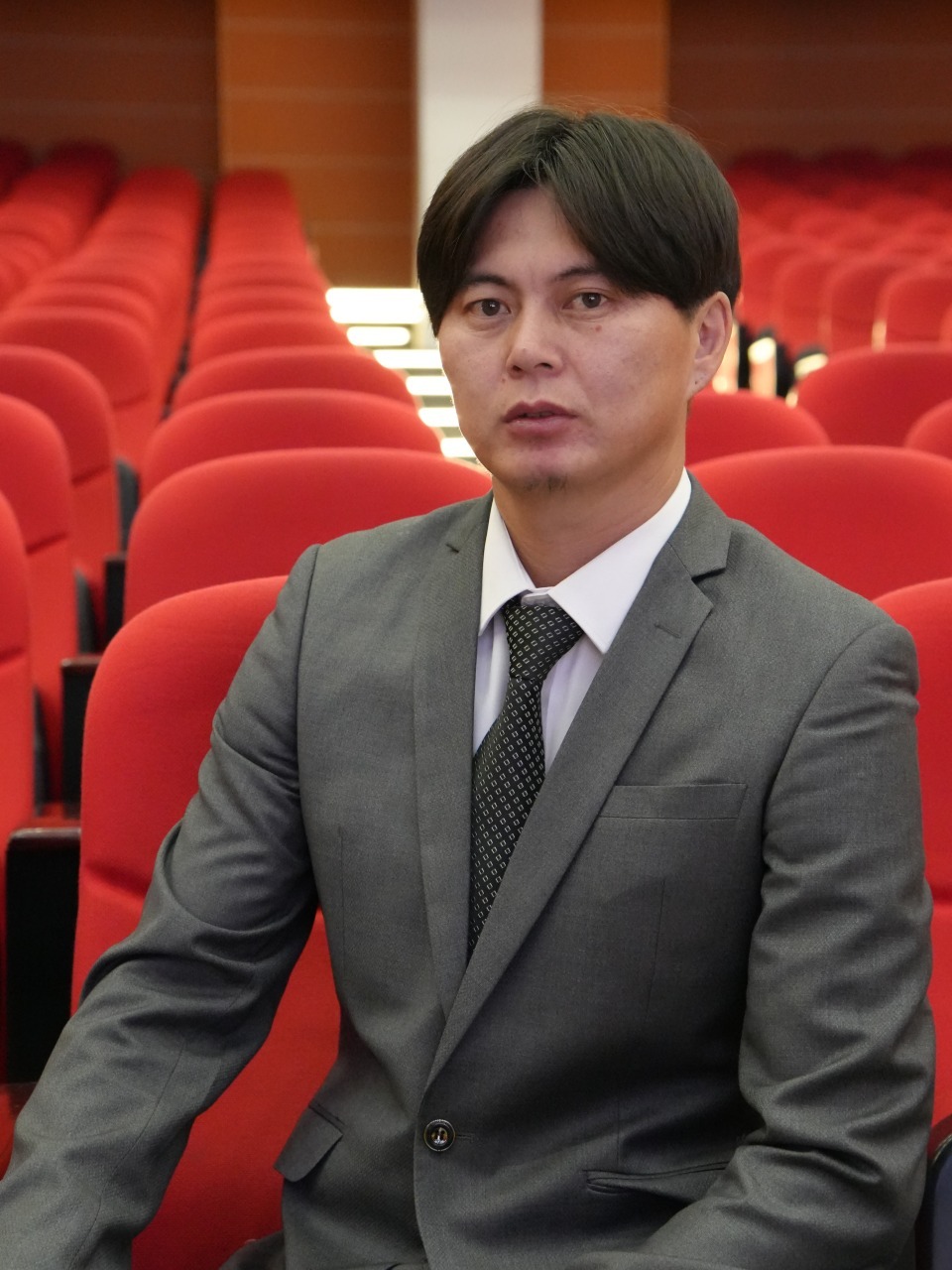
Ch. Batbold
Painter
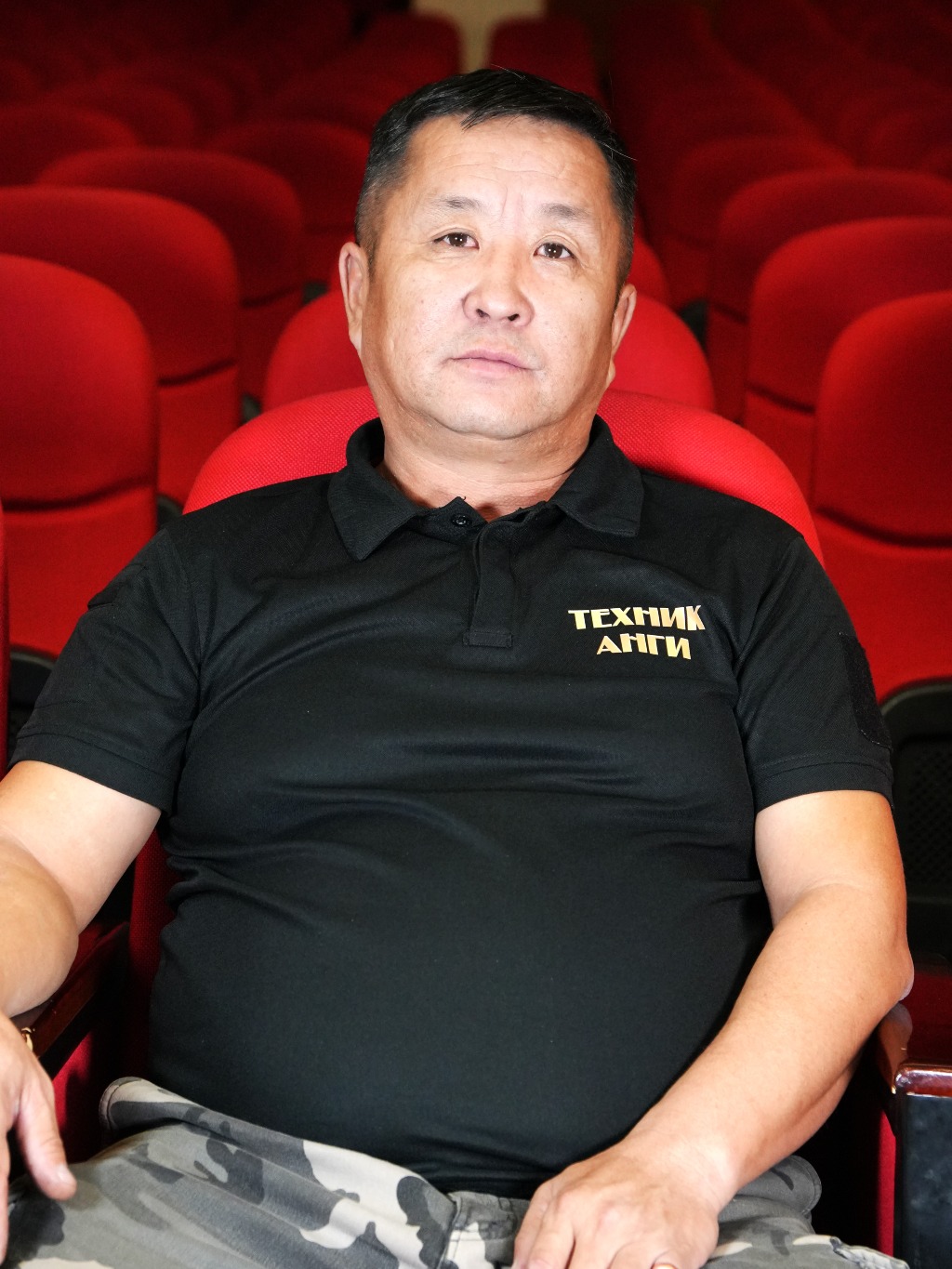
G. Bayardorj
Stage Technology Engineer, Small Props Manager
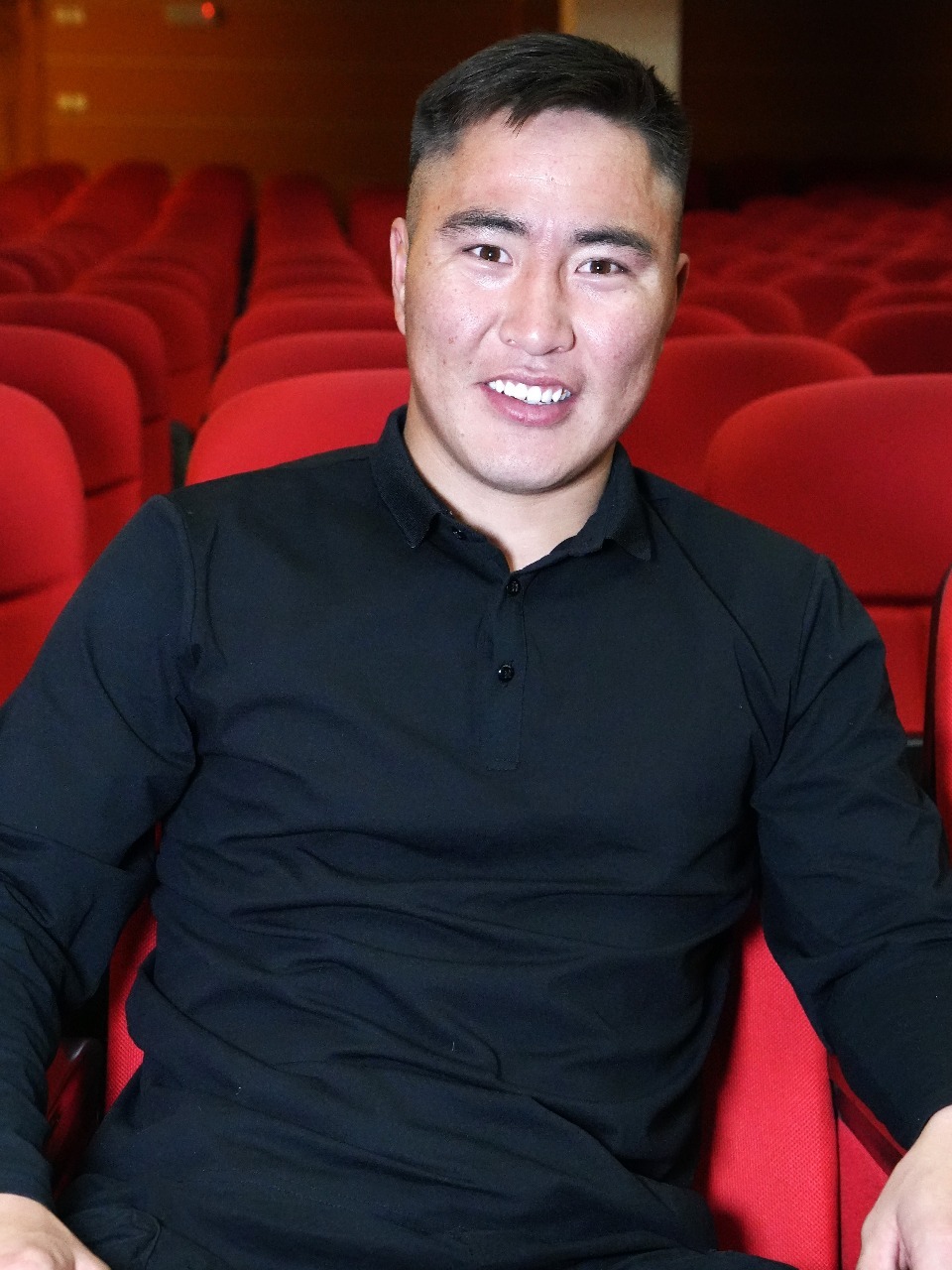
G. Norov
Stage Assistant

N. Tömörchödör
Stage Assistant

U. Batchuluun
Stage Assistant
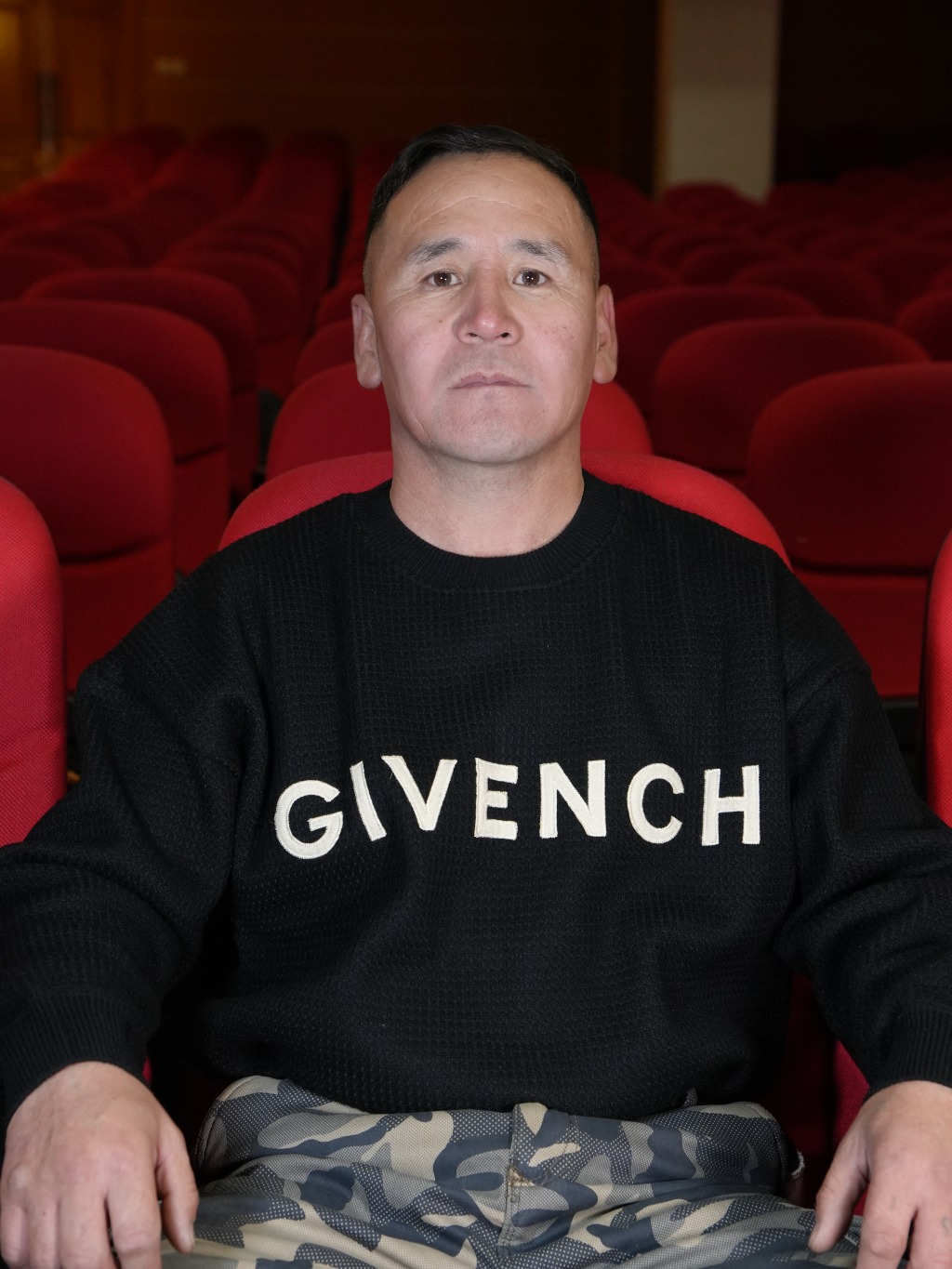
P. Baatartsogt
Stage Carpenter

S. Erdenetulga
Sound Technician, Merited Artist of Mongolia (MSTA)

B. Munkh-Orgil
Sound Technician
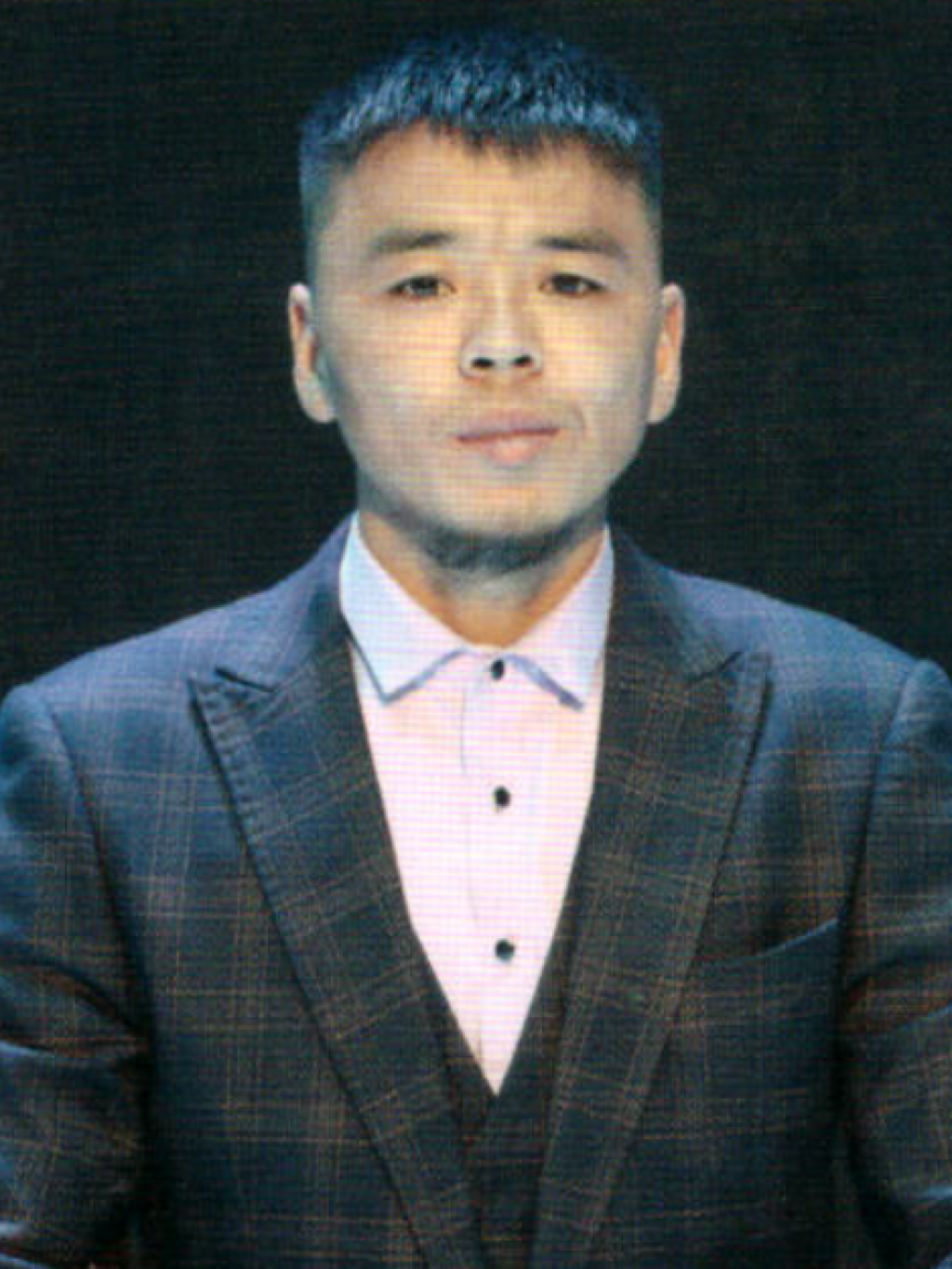
E. Nomondalai
Lighting Designer
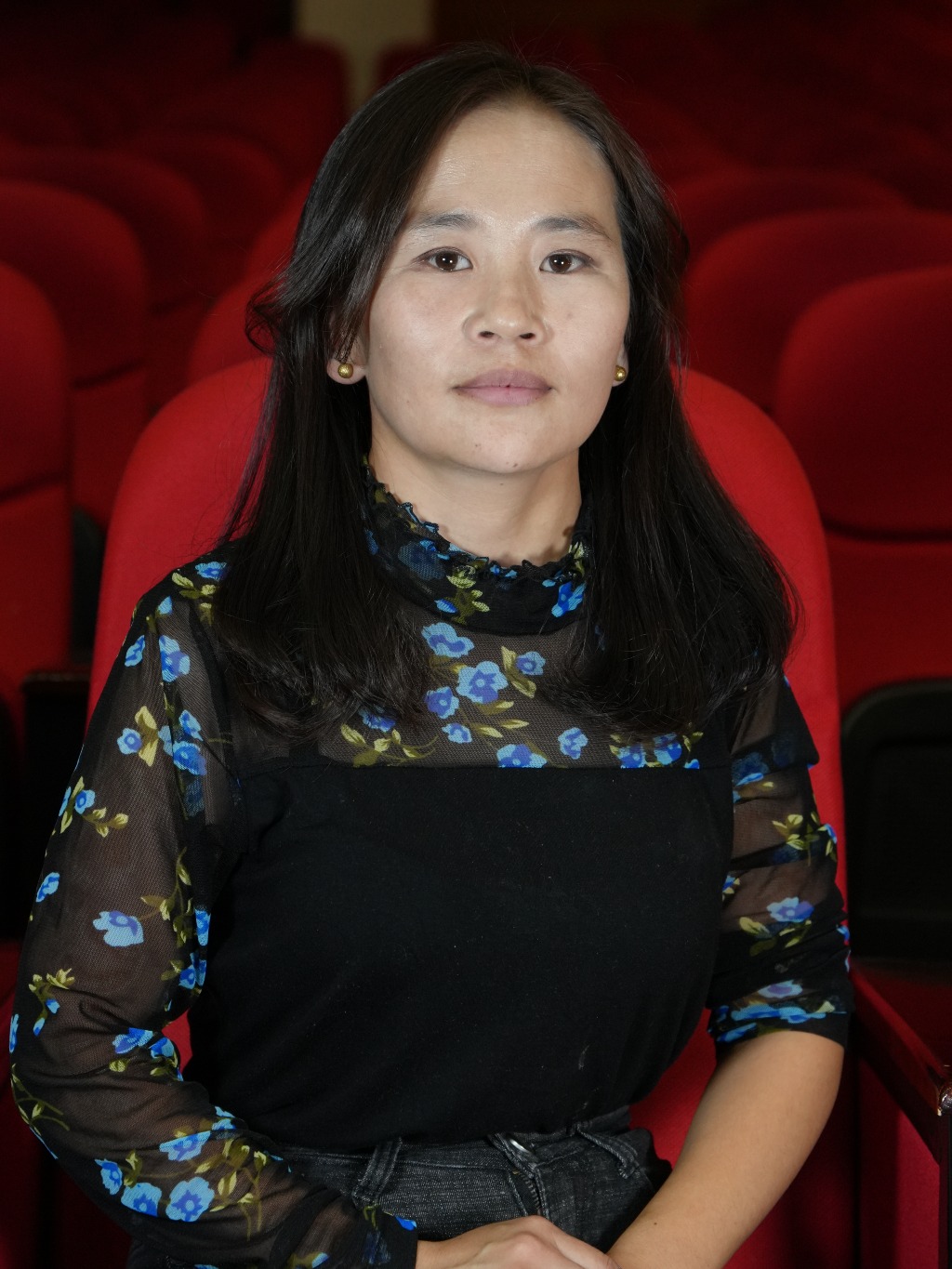
L. Enkhtögs
Lighting Technician

B. Odkhüü
Lighting Operator